Top Sustainable Foods Choices For The Environment
Choosing what to eat is more than just a matter of taste; it’s about the impact our food has on the planet. Many of us are trying to make better choices for our health and the environment, but it can feel tricky with so many options out there.
A striking fact is that food production systems contribute significantly to climate change, using up large amounts of water and land, and releasing greenhouse gases into the atmosphere.
So let’s look at the top sustainable food choices that support human health without harming our planet. These selections promise lower carbon footprints and promote a healthier future for all.
- What Are Sustainable Foods?
- Top 10 Sustainable Foods:
- The Worst Choices for the Environment:
- Tips for Eating for the Planet:
- Conclusion
- FAQs
- 1. What are the top sustainable food choices for the environment?
- 2. How does our food choice impact the environment?
- 3. Are there studies showing which diets are most sustainable?
- 4. Can individual-level changes make a difference in terms of environmental protection?
- 5. Is fish from fish farms a good choice for sustainability?
- 6. Does choosing more environmentally-friendly foods mean I need to become vegan?

What Are Sustainable Foods?
Sustainable foods are derived from farming techniques mindful of planet health and inhabitant welfare. They aid in reducing carbon dioxide emissions, minimising water utilisation, and fostering soil health.
Such food types reinforce sustainable food systems with the intent of catering to the world population without adversely impacting the Earth. Plant-centric meals featuring pulses and leafy greens are pivotal in such diets, given their lesser need for water and land relative to animal produce.
Sustainable agriculture uses methods like regenerative agriculture to replenish soil nutrients.
Choosing Earth-friendly food benefits the environment and ensures our natural resources remain for the enjoyment of future generations.
Dietary changes such as increased plant consumption, reduced meat intake particularly red meat from industrial farms, and preference for high-protein diets that don’t strain nature are essential.
Top 10 Sustainable Foods:
Opt for pulses, leafy greens, mushrooms, locally grown fruits, seaweed, mussels, cereals and grains, grass-fed beef, oats and figs to make sustainable dietary choices.
Pulses
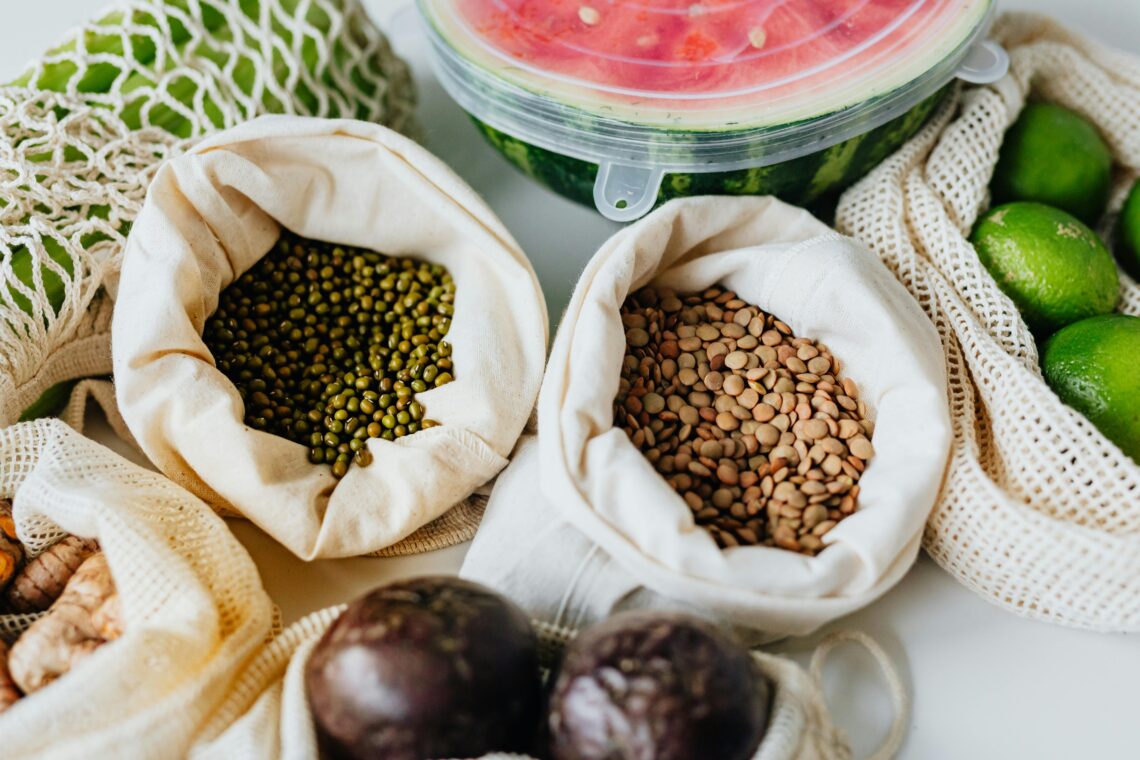
Pulses are a top choice for anyone looking to follow sustainable diets. These plant-based foods, which include beans, lentils, and peas, demand less water and land compared to animal products.
They play a big part in reducing global greenhouse gas emissions. They’re packed with nutrients too.
Growing pulses supports food security by improving soil health. They fix nitrogen in the soil, which reduces the need for chemical fertilisers. This helps in managing agricultural land use more effectively.
Eating pulses instead of meat even once a week can make a huge difference in our environmental footprint. Their role is vital in feeding the growing global population while keeping our planet healthy.
Leafy Greens
Leafy greens such as spinach, kale, and lettuce are excellent for both the environment and our wellbeing. They require minimal water for growth and utilise less land compared to meat production, marking them as one of the top sustainable food options.
These plants contribute to a healthy dietary adjustment for an increased consumption of plant-based foods. They supplement our diets with vital nutrients without exerting undue pressure on natural resources.
Mushrooms
Mushrooms are an excellent selection for those interested in plant-based diets. They grow quickly don’t need much space, water or light.
Many people add mushrooms into their diet to decrease meat intake while retaining texture and flavour. Mushrooms provide essential nutrients and can integrate into healthy diets that aspire to reduce the environmental footprint.
These fungi are noteworthy for their positive influence on sustainable development objectives. They rely on decomposing substances rather than requiring fertilisers, which frequently cause detriment to our natural resources.
By opting for mushrooms, individuals can support agricultural production systems that necessitate minimal water and safeguard life cycles—a vital move in lessening food discard within the plant-food supply chain.
Locally Grown Fruits
These fruits travel short distances to reach consumers, significantly reducing carbon emissions associated with transportation.
By choosing these over imports, you can support local economies and reduce the environmental footprint of their food consumption. Seasonal picks also mean fresher produce and less reliance on preservatives.
Local farmers often employ practices that respect natural resources, contributing positively to environmental protection efforts. Opting for apples, oranges, or berries from nearby areas conserves energy and water use in the long term.
This simple shift in shopping habits can make a big difference in combating global warming and preserving valuable ecosystems for coming decades.

Seaweed
Seaweed needs little water to grow, making it kind on our planet’s water supply. This plant from the sea does not require land for farming, which reduces pressure on natural resources.
As a bonus, seaweed grows fast and absorbs carbon dioxide, helping to battle climate change.
Eating seaweed brings benefits too. It packs in nutrients and fatty acids important for good health while having a low environmental impact. Seaweed farming also supports marine life by providing habitats, further boosting its credentials as an environmentally friendly option.
Its cultivation doesn’t rely on fertilisers or pesticides, protecting ocean waters from pollution and supporting biodiversity.
Mussels
Mussels are a great choice for those intending to minimise their environmental impacts whilst still eating seafood. Such shellfish prosper in a farmed setting, void of the necessity for additional feeds or fertilisers, considerably reducing their ecological footprint.
By purifying water to feed, mussels actively contribute to cleaning the marine environment, positioning them as a key component of sustainable food chains.
Reaching for mussels endorses positive facets of both animal welfare and environmental management systems. Their rearing demands bare minimum interference, resulting in reduced consumption of natural resources compared to protein production sources like beef or chicken.
Cereals and Grains
Cereals and grains, such as rice, wheat, and barley, are a vital part of a sustainable diet. They require minimal resources to grow compared to animal products, making them an environmentally friendly choice.
Approximately 70% of all the crops grown worldwide are cereals and grains, providing essential nutrition for millions of people while having a lower impact on the environment than meat-heavy diets.
Consuming whole grains like oats and quinoa can also significantly reduce the risk of chronic diseases such as heart disease and high blood pressure. These foods are rich in fiber, vitamins, minerals, and antioxidants that support good health.
Grass-Fed Beef
Grass-fed beef is a sustainable food choice with lower environmental impacts than conventional beef. Cattle graze on pasture, reducing the need for intensive feed production and decreasing greenhouse gas emissions.
Grass-fed beef also tends to have higher levels of omega-3 fatty acids, which are beneficial for heart health. It is a rich source of essential nutrients such as iron, zinc, and vitamin B12, making it a valuable addition to a balanced diet while supporting local farmers and sustainable agricultural practices.
Grass-fed beef aligns with the principles of sustainable agriculture by promoting biodiversity, soil health, and natural resource conservation. Moreover, its production contributes to the maintenance of grasslands, which serve as carbon sinks that help mitigate climate change.
By choosing grass-fed beef over conventionally raised alternatives, consumers can make a positive impact on both their health and the environment.
Oats
Oats are a highly sustainable and nutritious grain that can be a great addition to your diet. They require minimal water and have a low carbon footprint, making them an environmentally friendly choice.
Oats are also rich in essential nutrients such as fibre, protein, and various vitamins and minerals. They are versatile and can be used in various dishes like oatmeal, granola bars, or even added to smoothies for an extra nutrient boost.
Oats have been linked to numerous health benefits. They can help lower cholesterol levels, reduce the risk of heart disease, and provide long-lasting energy due to their complex carbohydrates.
Oats are also known for their ability to promote healthy digestion and support weight management. I
Figs
Figs are a nutrient-packed fruit with high levels of fibre, vitamins, and minerals. They are also rich in antioxidants, including polyphenols and flavonoids, which contribute to their potential health benefits.
Figs have been associated with improved digestive health due to their high fibre content and may help lower the risk of heart disease. They provide a good source of potassium, a vital mineral for maintaining healthy blood pressure levels.
Regarding sustainability, figs usually require less water compared to other fruits like grapes or apples, making them an environmentally friendly choice. These qualities position figs as part of the top sustainable foods alongside options such as pulses and leafy greens, aiding efforts towards reducing environmental footprints in food production.
The Worst Choices for the Environment:
Meat from Industrial Farms
Meat from industrial farms, particularly beef, has a significant negative impact on environmental health. The production process releases substantial amounts of greenhouse gases, such as methane and nitrous oxide, into the atmosphere, leading to climate change and exacerbating issues related to water scarcity.
The extensive use of resources like land and water for feed production further intensifies these environmental concerns.
The excessive reliance on antibiotics in industrial livestock farming also raises concerns about the spread of antibiotic-resistant bacteria in both animals and humans. The carbon footprint associated with meat from industrial farms is notably higher compared to sustainably sourced alternatives like grass-fed beef or plant-based proteins.
Palm Oil
Palm oil production has been associated with deforestation, habitat destruction, and the endangerment of species such as orangutans and rhinos. The high demand for palm oil has led to extensive forest clearances in Southeast Asia, resulting in significant environmental harm.
Furthermore, the use of palm oil contributes to greenhouse gas emissions and air pollution through land clearing and burning practices.
The widespread use of palm oil in processed foods, cosmetics, and biofuels also presents a challenge for sustainable consumption. As consumers become more aware of the environmental impact of palm oil production, there is an increasing demand for sustainable alternatives.
This has prompted several entities to strive towards promoting sustainable palm oil production through certification schemes like the Roundtable on Sustainable Palm Oil (RSPO). By choosing products with certified sustainable palm oil or opting for alternative oils derived from sunflower or rapeseed, consumers can positively impact the environment while supporting sustainable practices within the food industry.
Processed Foods
Processed foods, such as canned soups and microwave meals, tend to be high in unhealthy fats, added sugars, and sodium. These products often contain artificial additives and preservatives for extended shelf life.
The production of processed foods also contributes to a significant portion of food waste due to the intense processing methods involved.
To reduce your consumption of processed foods, opt for fresh produce whenever possible and prepare homemade meals using whole ingredients like fruits, vegetables, lean meats, and whole grains.
Unsustainable Seafood
Unsustainable fishing practices have resulted in severe environmental consequences, including overfishing, habitat destruction, and bycatch of non-target species.
For instance, industrial fishing operations often use methods like bottom trawling that cause significant damage to marine ecosystems.
Unsustainable seafood choices can also lead to a decline in fish populations and disrupt the delicate balance of ocean biodiversity. It is essential for consumers to be mindful of their seafood choices and opt for sustainably sourced options that support healthy oceans and marine life.
Sugar-Sweetened Beverages
Consuming sugar-sweetened beverages significantly adds to environmental issues. The production process of these drinks places a heavy burden on natural resources, such as water and energy.
Furthermore, the disposal of their packaging creates significant waste that further impacts the environment. Reducing the consumption of sugar-sweetened beverages can greatly reduce our ecological footprint.
Tips for Eating for the Planet:
Eat a variety of plant-based foods to reduce your environmental impact. Choose foods with minimal packaging and try to grow some of your own food if possible. Make responsible seafood choices and strive to minimise food waste.
Eat More Plants
Eating more plants is a simple yet effective way to promote sustainability. Plant-based foods generally require fewer natural resources and have a lower environmental impact compared to animal products.
By incorporating a variety of plant foods into your diet, such as pulses, leafy greens, mushrooms, locally grown fruits, seaweed, cereals and grains, oats and figs, you can significantly reduce your carbon footprint and contribute to the health of the planet.
Embracing this dietary shift not only benefits the environment but also supports overall well-being.
Choosing plant-rich diets over meat-heavy meals can lead to reduced greenhouse gas emissions while conserving freshwater resources. Making plants the primary focus of your diet not only aligns with sustainable living practices but also positively impacts the global food production system by promoting biodiversity and reducing land degradation.
Moreover, consuming more plant-based foods has been associated with lowering the risk of chronic diseases such as coronary heart disease. Therefore, prioritising plant consumption offers an excellent solution towards sustainable living.
Choose a Variety of Foods
When considering sustainable eating, broadening your food choices is crucial. By including a range of foods in your diet, you can reduce the environmental impact caused by monoculture and overconsumption of certain items.
Opting for a wide array of fruits, vegetables, grains, and plant-based proteins not only supplies essential nutrients but also promotes agricultural biodiversity. Selecting a variety of locally grown and seasonal produce also diminishes the carbon footprint linked to transportation and storage.
Embracing this method of food selection greatly aids in promoting sustainable farming practices while nurturing our planet.
Make Responsible Seafood Choices
When it comes to protecting the ocean’s delicate ecosystem, making responsible seafood choices is crucial. By choosing sustainably sourced seafood, you can help preserve marine life and promote a healthier environment.
It’s advisable to search for certifications such as Marine Stewardship Council (MSC) or Aquaculture Stewardship Council (ASC) when purchasing seafood. These certifications ensure that the fish are caught or farmed in environmentally friendly ways, considering factors such as overfishing and habitat damage.
Buying locally sourced seafood reduces the carbon footprint associated with transportation and supports local fishing communities.
Reduce Food Waste
Approximately one-third of all the food produced globally goes to waste. This impacts natural resources and contributes to greenhouse gas emissions.
By being mindful of our consumption and utilising leftover food creatively, we can significantly reduce the amount of wasted food.
Food waste contributes to environmental degradation, with a substantial impact on fresh water and arable land use. The United Nations Food and Agriculture Organization estimates that reducing global food wastage by just 25% would provide enough food to feed all malnourished people in the world.
Implementing practices such as meal planning, proper storage, and repurposing leftovers are effective strategies in reducing individual-level food waste. Additionally, supporting community initiatives that redistribute excess perishable foods can help combat this issue on a larger scale while also addressing issues related to environmental protection.
Grow Your Own Food
Cultivating your own food at home provides a straightforward and efficient way to lessen your environmental impact. By utilising small spaces or containers, you can grow a range of fruits, vegetables, and herbs that are sustainable and eco-friendly.
Through home farming, you can minimise the carbon footprint associated with transporting produce from farms to stores. Moreover, it offers you full control over the farming process, ensuring that no harmful chemicals or unsustainable practices are employed in the cultivation of your food.
Avoid Plastic Packaging
Plastic packaging contributes to environmental pollution. Opt for products packaged in eco-friendly materials like glass, paper, or cardboard. Look for items with minimal or no packaging to reduce waste and carbon footprint.
Choose reusable containers like jars and mesh bags for storing food, promoting a sustainable lifestyle.
Consume Seasonal Foods
Opting for locally grown fruits and vegetables that are in season not only supports local farmers but also decreases the need for long-distance transportation, cutting down on greenhouse gas emissions.
By choosing seasonal produce, you are promoting biodiversity and reducing the energy required for food preservation. It’s a simple yet impactful step towards sustainable eating.
Transitioning towards consuming seasonal foods can have significant positive effects on both the environment and local food systems. Embracing this practice can lead to fresher, more nutritious meals while minimising the carbon footprint associated with food transportation and storage.
Conclusion
Eating a sustainable diet significantly benefits the environment. By integrating more pulses, leafy greens, and locally grown fruits into your meals, you can make practical and efficient choices to support the planet.
Start making a difference today by adopting these simple yet impactful tips for sustainable eating!
FAQs
1. What are the top sustainable food choices for the environment?
The best ways to choose sustainable foods involve opting for plant-based options like those found in vegan and vegetarian diets, as well as Mediterranean diet staples such as olive oil.
2. How does our food choice impact the environment?
A recent study highlighted that one-third of all food produced for human consumption has an enormous impact on environmental factors, with a kilogram of beef being particularly resource-intensive.
3. Are there studies showing which diets are most sustainable?
Yes, both the Eat-Lancet Commission and a systematic review have pointed towards plant-based meat substitutes and dairy alternatives as having less environmental impacts than traditional animal-based products.
4. Can individual-level changes make a difference in terms of environmental protection?
Absolutely! Making good choices about available sustainable foods at an individual level can contribute significantly to environmental protection according to agencies like the Environmental Protection Agency and Natural Resources Defense Council in United States.
5. Is fish from fish farms a good choice for sustainability?
Fish farms can vary greatly in their practices, but some can be part of best practices for sustainability if they manage resources effectively to avoid contributing to food insecurity issues.
6. Does choosing more environmentally-friendly foods mean I need to become vegan?
No, it’s not necessary to fully adopt vegan diets or vegetarian diets; even small changes like reducing your dairy product intake or choosing plant-based meat alternatives when possible can make a big difference.
Related posts:


You May Also Like
Understanding The NOVA Food Classification System In The UK

11 Tips for Reducing Food Waste and Living a More Sustainable Life