
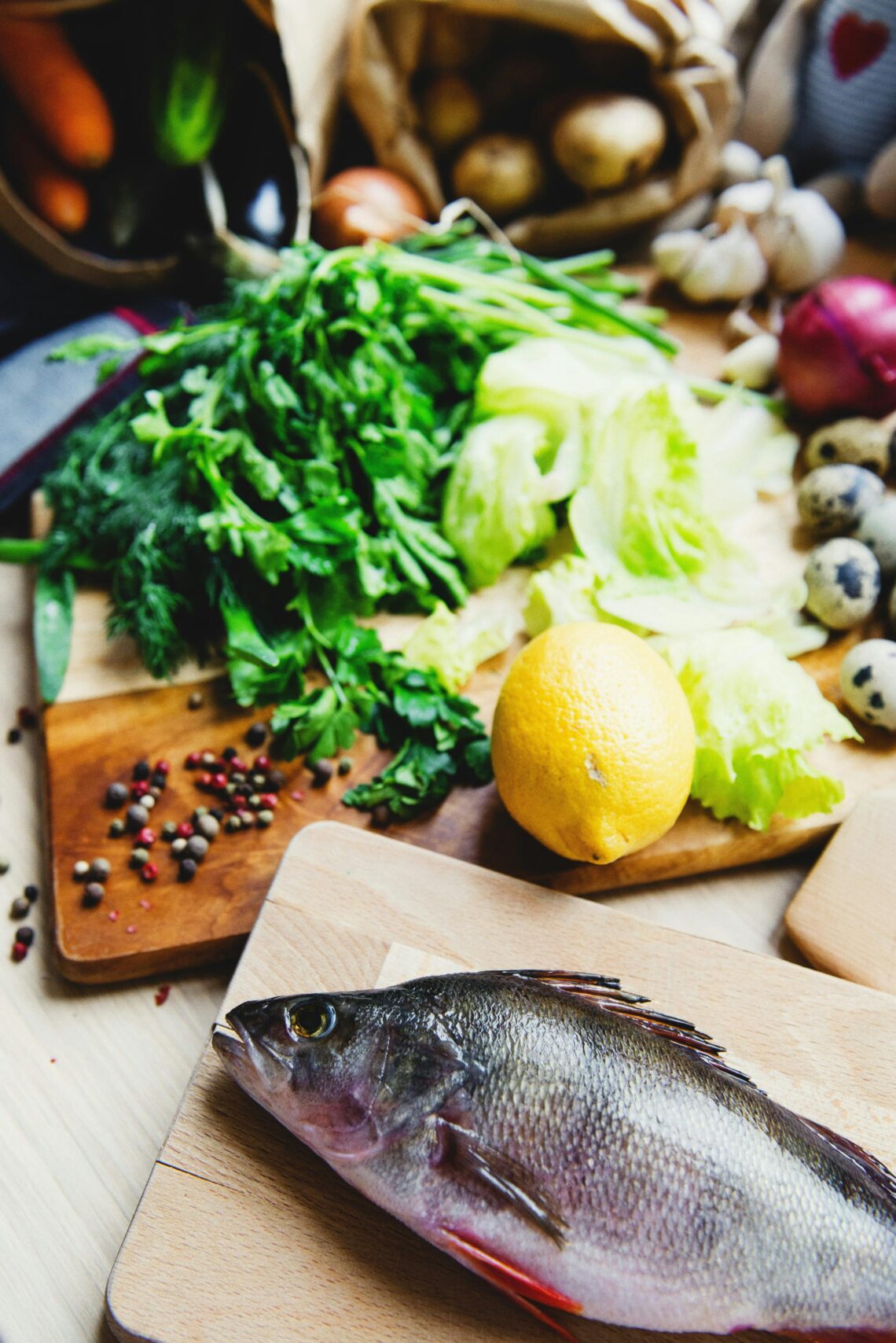
Why I’m Ditching Processed Foods (And You Should Too)
Right, let’s be honest. I feel like absolute rubbish most of the time. I’m tired, bloated, and my jeans are getting tighter by the week. I’ve tried every diet going – plant-based, vegetarian, low-carb, high-protein, the lot. And you know what? None of it’s worked because I’ve been missing the actual problem.
I’m addicted to processed foods.
Even when I was being “good” and eating vegetarian, I was just swapping bacon for fake bacon. Trading chicken nuggets for Quorn nuggets. It’s all still processed rubbish, isn’t it? I’d grab a “healthy” smoothie from Tesco that’s basically liquid sugar, or snack on cereal bars that have more ingredients than I can count.
So I’m done. I’m switching to an unprocessed food diet, and honestly? After just a few weeks, I already feel different. Not perfect – I’m not trying to be some wellness influencer here – but better. Clearer. Like my body’s finally getting what it actually needs instead of whatever the food industry decided to chuck together.
If you’re sick of feeling sluggish and want to know what this whole unprocessed diet thing is about, stick with me. I’m going to break down exactly what it means, why it matters, and how to actually do it without losing your mind.
- What Actually Is an Unprocessed Food Diet?
- Why Bother With an Unprocessed Food Diet?
- What You Can Actually Eat on an Unprocessed Diet
- How to Actually Start a No Processed Foods Diet (Without Losing Your Mind)
- The Reality Check: What an Unprocessed Diet Actually Feels Like
- Why This Time Feels Different
- The Bottom Line on Going Unprocessed
- FAQs About the Unprocessed Food Diet
What Actually Is an Unprocessed Food Diet?
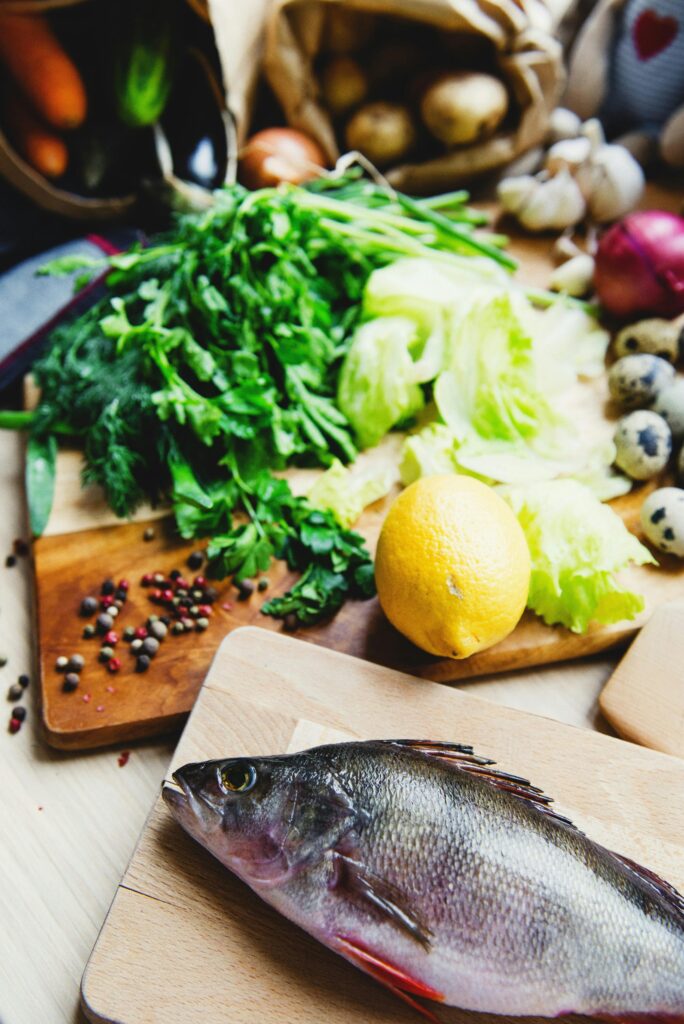
Let’s get the boring bit out of the way first. An unprocessed food diet (also called a whole foods diet or no processed foods diet) means eating food that’s as close to its natural state as possible. Think: an actual apple, not apple juice. Chicken breast, not chicken nuggets. Brown rice that takes 45 bloody minutes to cook instead of microwave rice in a packet.
Here’s the thing though – not all processing is evil. Freezing vegetables? That’s processing, and it’s fine. Pasteurising milk so we don’t all get food poisoning? Also fine. The problem is ultra-processed foods – the stuff that barely resembles actual food anymore.
The Three Types of Food Processing
Minimally Processed (The Good Stuff):
- Bagged salad, frozen veg, tinned tomatoes
- Roasted nuts (no added oil or salt)
- Milk, plain yoghurt, eggs
- Fresh or frozen meat and fish
These are your non processed foods or barely touched foods. They’re what an unprocessed diet is built on.
Processed (The Middle Ground):
- Cheese, tinned beans, bread
- Smoked fish, cured meat
- Jarred pasta sauce with recognisable ingredients
Not ideal for every meal, but not the enemy either.
Ultra-Processed (The Problem Children):
- Chicken nuggets, fish fingers, ready meals
- Breakfast cereals, cereal bars, crisps
- Fizzy drinks, meal replacement shakes
- Anything with ingredients you can’t pronounce
This is what a no processed foods diet is trying to avoid. And if you look at what’s in your kitchen right now, I bet it’s mostly this category. Mine certainly was.
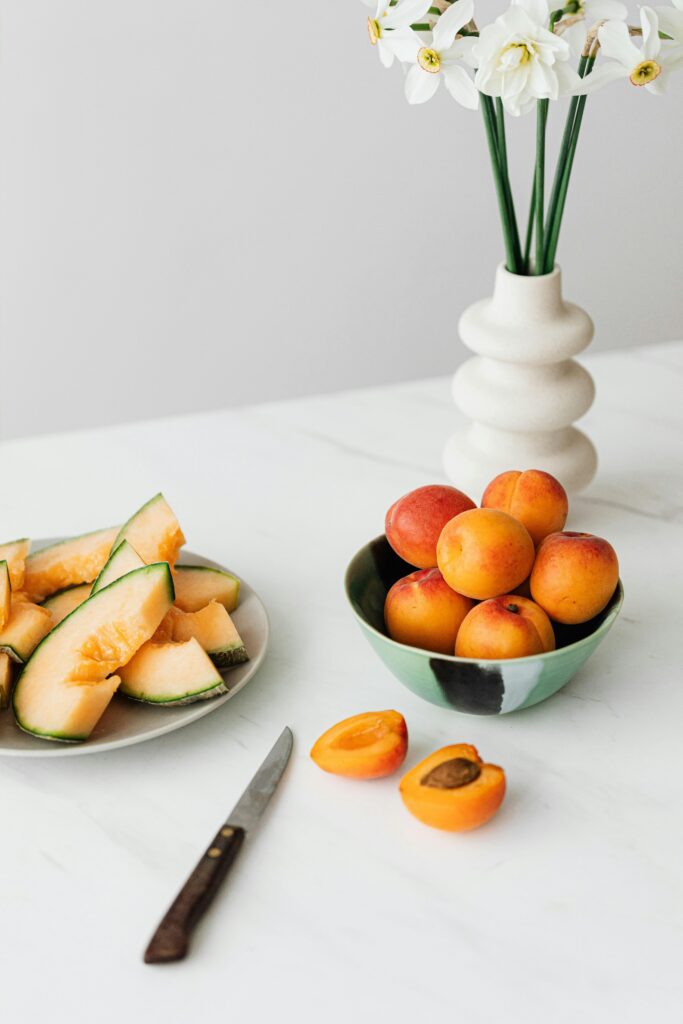
Why Bother With an Unprocessed Food Diet?
Look, I’m not going to bang on about “clean eating” or make you feel guilty. But there are actual, tangible reasons why cutting out processed foods makes a difference. Here’s what I’ve noticed (and what the research backs up):
You’ll Actually Get Proper Nutrition
Ultra-processed foods are designed to make you want more. More salt, more sugar, more of that weird addictive quality that makes you eat an entire packet of biscuits in one sitting. But they’re nutritionally empty.
When you switch to an unprocessed diet, you start eating food that’s actually packed with vitamins, minerals, and fibre. Your body gets what it needs instead of just empty calories. I used to think I was eating loads of vegetables because I’d have a veggie burger. Turns out, there’s about as much actual veg in those as there is in a Pot Noodle.
Real food – fresh fruit, vegetables, whole grains like brown rice and oats, lean proteins like chicken and fish – gives your body the building blocks it needs. And yeah, you notice. My skin’s clearer, I sleep better, and I don’t get that 3pm energy crash anymore.
Weight Management Gets Easier (Actually Easier)
I’ve spent years counting calories, weighing food, feeling guilty about everything I eat. It’s exhausting. But here’s what nobody tells you: when you eat non processed foods, portion control kind of… happens naturally?
Think about it. You can demolish an entire bag of crisps without even thinking. But try eating the same amount of calories in roasted vegetables and chicken. You’d be stuffed halfway through. Processed foods are engineered to override your fullness signals. Whole foods aren’t.
Since switching to a no processed foods diet, I’ve stopped obsessing over calories. I eat when I’m hungry, stop when I’m full, and I’m losing weight without even trying. It’s not dramatic or fast, but it’s actually sustainable for once.
You’re Less Likely to Get Sick
This sounds dramatic, but the stats are pretty grim. Diets high in ultra-processed foods are linked to:
- Heart disease
- Type 2 diabetes
- High blood pressure
- Certain cancers
- Depression and anxiety
On the flip side, people who follow an unprocessed diet have significantly lower risks of all these chronic diseases. Your body isn’t designed to run on fake food – it needs real nutrients to keep everything functioning properly.
I’m 30-something and already feeling the effects of years of eating rubbish. My cholesterol’s creeping up, my blood pressure’s not great. I don’t want to be on medication for the rest of my life if I can avoid it. Switching to non processed foods feels like the most basic thing I can do to look after myself.
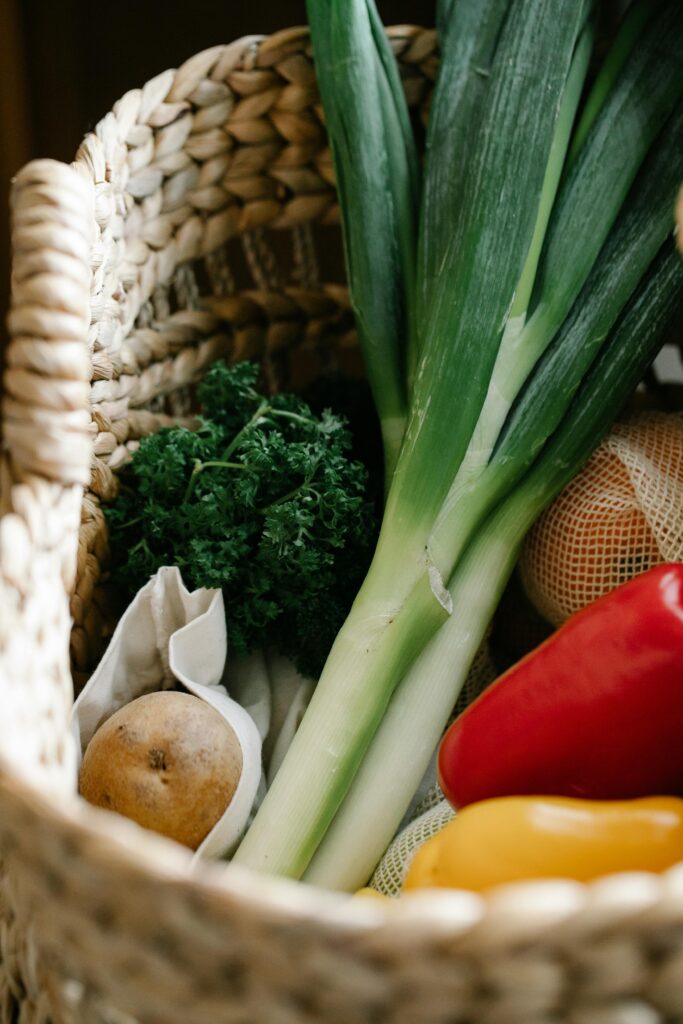
What You Can Actually Eat on an Unprocessed Diet
Right, the practical bit. Here’s what fills up my kitchen now:
The Non Negotiables (Stock Up on These)
Fruit and Veg:
- Fresh or frozen (honestly, frozen is brilliant – no waste, always available)
- Seasonal stuff from the market when possible
- Tinned tomatoes and tinned veg in water (no added sugar or salt)
Proteins:
- Chicken breasts, thighs, any cut really
- Fish – fresh, frozen, or tinned in water or olive oil
- Eggs (so many eggs)
- Plain Greek yoghurt
- Tofu if you can stomach it (I still can’t)
Whole Grains:
- Brown rice, quinoa, bulgur wheat
- Oats (the boring kind, not the flavoured packets)
- Whole grain bread (check the label – some are basically cake)
- Pasta (whole wheat if you can bear it, white if you can’t)
The Boring Essentials:
- Olive oil, butter (yes, real butter)
- Nuts and seeds
- Dried herbs and spices
- Tinned beans and lentils (if your stomach can handle them – mine mostly can’t)
What I’ve Kicked to the Curb
- Ready meals (even the “healthy” ones)
- Breakfast cereals (except plain porridge oats)
- Flavoured yoghurts (sugar bombs, the lot)
- Meal replacement bars and shakes
- Fizzy drinks and fruit juice
- Pre-made sauces with 20+ ingredients
- Anything labelled “low-fat” or “diet” (it’s usually packed with other rubbish)
How to Actually Start a No Processed Foods Diet (Without Losing Your Mind)
Let me be real with you: going from eating takeaways five nights a week to being some kind of whole foods warrior overnight isn’t going to happen. And if you try, you’ll hate it and give up. Trust me, I’ve been there.
Here’s how to actually make this work:
Start With One Meal
Don’t overhaul everything at once. Pick breakfast. Make it unprocessed for a week. Porridge with fruit instead of cereal. Eggs and toast instead of a breakfast bar.
Once that feels normal, tackle lunch. Then dinner. Then snacks. Baby steps.
Keep Healthy Snacks Visible
I used to think I’d magically develop willpower. Spoiler: I didn’t. So now I make it easy. I keep cut-up veg in the fridge, a bowl of fruit on the counter, and nuts in my bag.
When I’m hungry and tired, I eat what’s in front of me. If that’s an apple and some almonds, great. If it’s a multipack of Walkers, less great. Make the good choice the easy choice.
Swap, Don’t Remove
You don’t have to give up everything you love. Just find better versions:
- White bread → Whole grain bread (or sourdough if you’re fancy)
- Crisps → Roasted chickpeas or veggie sticks with hummus
- Fizzy drinks → Sparkling water with fresh fruit
- Sugary cereal → Porridge with berries and honey
- Ready meals → Batch cooking on Sundays
That last one’s key. I spend two hours on Sunday making a big pot of chilli, roasting veg, cooking rice, and portioning it all out. Then on Wednesday when I’m knackered, I’ve got actual food ready to go.
Get Comfortable in the Kitchen
I used to think cooking was hard. It’s not. It’s just unfamiliar. An unprocessed diet means you’ll be cooking more, but it doesn’t have to be complicated.
My go-to formula:
- Pick a protein (chicken, fish, eggs)
- Add veg (roasted, steamed, whatever)
- Add a grain or carb (rice, potato, bread)
- Season properly (this is where people go wrong – use herbs, spices, garlic, lemon)
That’s it. That’s cooking. You don’t need to be Jamie Oliver.
Learn to Read Labels Like a Pro
When you do buy packaged food, check the ingredients. Here’s my rule: if there are more than 5-7 ingredients, or if you can’t pronounce half of them, put it back.
Also watch for:
- Sugar hiding under different names (glucose, fructose, syrup, anything ending in -ose)
- Hydrogenated oils
- Artificial colours and preservatives
- The word “flavouring” (which could mean anything)
The nutrition label is useful, but the ingredient list tells you what’s actually in there.
Drink More Water (I Know, I Know)
Everyone bangs on about water. But seriously – most of us are walking around mildly dehydrated all the time, eating when we’re actually thirsty.
I keep a bottle on my desk and just sip throughout the day. I’m not tracking litres or obsessing over it. Just drinking more water and less of everything else has made a massive difference to my energy and skin.
Give Yourself Permission to Mess Up
Some days you’ll eat a meal deal from Pret. Some weekends you’ll have a takeaway. That’s fine. That’s life. An unprocessed food diet isn’t about being perfect – it’s about making better choices most of the time.
I aim for 80/20. If I’m eating non processed foods 80% of the time, I’m doing alright. The other 20%? I’m human. I’m going to eat pizza sometimes. And that’s okay.
The Reality Check: What an Unprocessed Diet Actually Feels Like
Let me tell you what the wellness bloggers won’t: the first week is annoying. You’ll be hungrier because your body’s used to that quick sugar hit from processed foods. You’ll crave crisps and chocolate. You’ll look at the prep time for brown rice and want to cry.
But then something shifts. By week two, you start feeling less bloated. Your energy levels out instead of spiking and crashing. By week three, the processed stuff starts tasting weirdly artificial. I had a cereal bar the other day and it tasted like sweetened cardboard. My taste buds have changed.
The other thing nobody mentions: it can be more expensive. Fresh food costs more than chicken nuggets, and that’s rubbish, but it’s true. Here’s how I manage it:
- Buy frozen veg and fruit (just as nutritious, half the price)
- Shop at Aldi or Lidl instead of Waitrose
- Buy own-brand everything
- Go to the reduced section at the end of the day
- Buy whole chickens and joint them yourself (YouTube is your friend)
It’s also more time-consuming. There’s no way around it – cooking from scratch takes longer than microwaving a ready meal. But batch cooking helps, and honestly, I’ve just accepted that an hour on Sunday cooking is part of my routine now.
Why This Time Feels Different
I’ve tried so many diets. Slimming World, Weight Watchers, keto, paleo, you name it. They all felt like punishment. Like I was constantly denying myself and white-knuckling my way through.
This feels different because I’m not following rules some diet company made up. I’m just eating food. Real food. The way humans have eaten for thousands of years before we invented chicken dippers.
I’m not counting points or macros. I’m not weighing portions or skipping meals. I’m just asking myself: “Is this actual food, or is it food-like product?” And surprisingly often, the answer is the latter.
The best part? I’m not hungry all the time. I’m not fantasising about my next meal or feeling guilty about what I’ve eaten. I’m just… eating. Like a normal person. What a concept.
The Bottom Line on Going Unprocessed
Look, I’m not going to pretend this is easy or that it’ll solve all your problems. You won’t lose 10 pounds in a week or suddenly have the energy of a teenager. This isn’t a magic fix.
But if you’re tired of feeling sluggish and gross, if you’re sick of yo-yo dieting and food guilt, if you just want to feel like your body is working with you instead of against you… an unprocessed food diet might be worth a try.
Start small. Swap one processed snack for fruit. Cook one extra meal at home this week. Buy whole grain bread instead of white. You don’t have to be perfect. You just have to be better than you were yesterday.
And if you mess up? So what. Tomorrow’s a new day, and there’s another meal coming where you can make a different choice.
Your body deserves real food. Not food-like substances. Not ultra-processed rubbish designed in a lab to make you want more. Just actual, recognisable, non processed foods that your great-grandmother would have eaten.
Give it a month. See how you feel. I reckon you’ll be surprised.
FAQs About the Unprocessed Food Diet
What exactly is an unprocessed food diet?
An unprocessed food diet (also called a whole foods diet or no processed foods diet) focuses on eating foods in their natural or minimally processed state. Think fresh fruit and veg, plain meat and fish, whole grains, eggs, and dairy without added sugar or additives. Basically, if it grew in the ground or on a tree, or it’s a recognisable animal product without 20 ingredients added, it’s probably unprocessed.
Can you eat ANY processed foods on this diet?
Yeah, you can. Nobody’s eating exclusively raw vegetables and plain chicken (that sounds miserable). Minimally processed foods like frozen veg, tinned tomatoes, whole grain bread, and plain yoghurt are fine. It’s the ultra-processed stuff – ready meals, crisps, fizzy drinks, chicken nuggets – that you’re trying to avoid. Use common sense. If it has five ingredients you recognise, it’s probably okay. If it has 30 ingredients that sound like a chemistry experiment, give it a miss.
Is an unprocessed diet good for weight loss?
It can be, yeah. When you eat non processed foods, you naturally eat fewer calories because whole foods are more filling and less calorically dense than processed rubbish. You’re also cutting out loads of hidden sugar and unhealthy fats. But it’s not a quick fix – you’ll lose weight gradually and sustainably rather than dropping 10 pounds in a week. The real benefit is that it doesn’t feel like a diet. You’re not starving yourself; you’re just eating actual food.
What’s the difference between processed and unprocessed foods?
Unprocessed (or minimally processed) foods are pretty much in their natural state: fresh fruit, veg, meat, fish, eggs, whole grains. Processed foods have been altered in some way but are still recognisable: tinned beans, cheese, bread, smoked fish. Ultra-processed foods are the problem – they’re made from refined ingredients and packed with additives: ready meals, crisps, fizzy drinks, breakfast cereals, anything with a label that reads like a science textbook. The more processing, the less nutritional value and the more likely it is to mess with your health.
What can I snack on if I’m following a no processed foods diet?
Fresh fruit, veggie sticks with hummus, a handful of unsalted nuts, plain Greek yoghurt with berries, hard-boiled eggs, or apple slices with peanut butter (the kind with just peanuts, not the stuff with added sugar and oil). If you’re craving something crunchy, try roasted chickpeas or homemade popcorn. It takes a bit of adjustment if you’re used to grabbing a packet of crisps, but once you get into the habit, it’s fine.
Is this diet suitable for vegetarians or vegans?
Absolutely. You can follow an unprocessed diet on any eating pattern. For vegetarians: eggs, dairy, beans, lentils, tofu, whole grains, nuts, and loads of veg will be your staples. For vegans: beans, lentils, tofu, tempeh, whole grains, nuts, seeds, and tonnes of fruit and veg. The key is just avoiding the ultra-processed meat alternatives and sticking to whole plant foods. I struggle with beans personally (bloating issues), but if you can tolerate them, they’re brilliant.
How much does it cost to eat unprocessed foods?
It can be more expensive than living on chicken nuggets and pasta, but it doesn’t have to break the bank. Shop at budget supermarkets like Aldi or Lidl, buy frozen fruit and veg (just as nutritious, cheaper, and no waste), go for own-brand products, and batch cook to make your ingredients stretch further. Buying whole chickens and joint them yourself is way cheaper than buying pre-cut portions. And honestly, you’ll probably save money by not buying takeaways and meal deals all the time.
Can I eat out or get takeaways on an unprocessed diet?
You can, but you’ll need to be a bit pickier. Look for restaurants that cook fresh food rather than reheating frozen stuff. Choose grilled fish or chicken with vegetables and rice or potatoes. Avoid deep-fried everything, creamy sauces, and anything that comes with a list of mystery ingredients. Or just accept that eating out occasionally is fine and don’t stress about it. This isn’t about being perfect 100% of the time.
How long does it take to feel the benefits?
Everyone’s different, but I noticed changes within about two weeks. Less bloating, more consistent energy, clearer skin. After a month, I wasn’t craving sugar and processed snacks the way I used to. Your taste buds genuinely change when you stop flooding them with artificial flavours and excess salt. Give it at least three to four weeks before you decide if it’s working for you.
Do I have to cook everything from scratch?
Mostly, yeah. That’s kind of the point – you’re avoiding pre-made, ultra-processed foods. But “cooking from scratch” doesn’t mean you need to be making sourdough and churning your own butter. A simple roast chicken with veg, scrambled eggs, or a stir-fry counts. It’s not complicated cooking; it’s just basic food prep. Batch cooking helps massively – spend a couple hours on the weekend and you’ve got meals ready for the week.
Related posts:


You May Also Like
Understanding The NOVA Food Classification System In The UK

The Best UK Sustainable Coffee Brands
