

What Is A Fairtrade Certification? (UK)
Do you ever wonder where your chocolate or coffee comes from? Many of us want to make ethical choices when we shop. But it’s not always easy to tell which products are truly good for the people who grow them and the planet.
One way to be sure is by choosing items with a Fairtrade mark. This symbol means that the goods meet high standards for farmers’ wages, working conditions, and environmental care.

Fairtrade certification offers a safety net to small-scale farmers and workers in developing countries. It promises them a fair price for their goods, plus an extra sum of money known as the Fairtrade premium.
This premium goes into community projects like schools and healthcare.
Let’s learn how Fairtrade works in the UK, why it matters, and how becoming certified can help producers around the world lead better lives.
What is Fairtrade Certification?
Fairtrade certification ensures that producers in developing countries receive fair prices for their products, allowing them to invest in their businesses and communities. It also guarantees better working conditions for employees while promoting sustainable practices and environmental protection.
Definition and purpose
Fairtrade Certification is a label that marks products meeting international Fairtrade standards. These standards are set to ensure better prices, decent working conditions, local sustainability, and fair terms of trade for farmers and workers in the developing world.
The aim is to support producers in securing stable income and gaining control over their futures.
This certification system helps keep farmers and workers from being underpaid in global markets. It gives them access to the Fairtrade Minimum Price, protection through Fairtrade terms, and an additional sum known as the Premium for investment in business or community projects.
By choosing products with this ethical label, consumers promote environmental sustainability, encourage better working conditions, and contribute to combatting poverty around the globe.
Certification Process
Getting fair trade certification for products in the UK involves a detailed process. This ensures that farmers and workers get fairer pay and working conditions.
- Contact the Fairtrade Foundation, the main certifying body in the UK, to express interest in becoming fair trade certified. They guide businesses through the initial stages.
- Submit an application detailing your business practices, supply chain, and how your products meet the fairtrade certification system’s standards.
- The Fairtrade Foundation reviews your application to check if it meets their developmental standards, focusing on environmental criteria and social benefits for workers.
- If your application progresses, they conduct an initial audit of your operations. This first audit examines if you adhere to fair trade principles such as paying stable prices and supporting sustainable development.
- Upon passing this stage, producers must sign a licence agreement with the Fairtrade Foundation. This agreement allows use of any Fairtrade mark on products and promotional materials.
- After signing, your business commits to regular audits to ensure ongoing compliance with fairtrade standards like protecting workers’ rights and adhering to environmental best practices.
- During these audits, certifiers also assess measures for reducing greenhouse gas emissions and promoting gender equality among agricultural workers.
- Following successful audits, businesses can market their goods with the Fairtrade label, appealing to UK consumers who value ethical products.
This process supports smallholder farmers and boosts visibility for smaller businesses committed to fair trading practices in global markets.
Benefits for farmers and workers
Fairtrade certification ensures farmers and workers get paid more than the usual market prices for their crops and products. This higher price gives them a fair shot at improving their lives, making it possible to afford better homes, education for their children, and healthcare.
This system also lets small-scale producers come together in producer organisations. Here they have more power to negotiate prices and terms with buyers. They learn how to improve farming practices, manage their finances better, and invest in community projects.
These benefits go beyond just earning a fair wage; they help build sustainable livelihoods for farmers, farm workers, and local communities around the globe.
The Role of Certifying Organisations
Certifying organisations play a crucial role in Fairtrade certification. They ensure that products meet the required standards and criteria. The Fairtrade Foundation and other certifiers oversee the certification process, ensuring fairness for farmers and workers.
Fairtrade Foundation
The Fairtrade Foundation plays a crucial role in the global movement to help producers in developing countries achieve better trading conditions. It focuses on several key areas such as fairer pay, improved working conditions, and environmental standards.
This UK-based organisation works tirelessly to certify products that meet strict criteria ensuring farmers and workers get a fair share of the profit.
It supports collective bargaining and helps communities invest in business and local development projects through additional funds. By choosing products with the Fairtrade mark, consumers directly contribute to positive change in farming communities across Latin America, Africa, and Asia.
Other certifiers
Beyond the Fairtrade Foundation, several other organisations also certify fair trade goods in the UK and globally. World Fair Trade Organisation (WFTO) sets global standards for communities to ensure ethical production and trade.
This body focuses on creating opportunities for economically disadvantaged producers by supporting transparent supply chains and sustainable practices. Similarly, Fair Trade USA operates mainly in North America but certifies products worldwide, promoting safe working conditions, fair payment, and environmental conservation.
These certifiers work alongside producer networks and business partners to raise awareness about the importance of choosing certified goods.
Rainforest Alliance is another key player that blends environmental protection with social justice by ensuring that agriculture, forestry, and tourism businesses meet comprehensive sustainability goals.
They help in combating climate change by teaching farmers better practices that reduce harmful chemicals usage while safeguarding ecosystems. Each organisation brings its own gold standard to certification practices but shares a common goal: making trade more equitable globally through rigorous auditing processes for raw materials like coffee beans or precious metals used in consumer products found from grocery store shelves to high-end jewellery stores.
The Impact of Fairtrade Certification
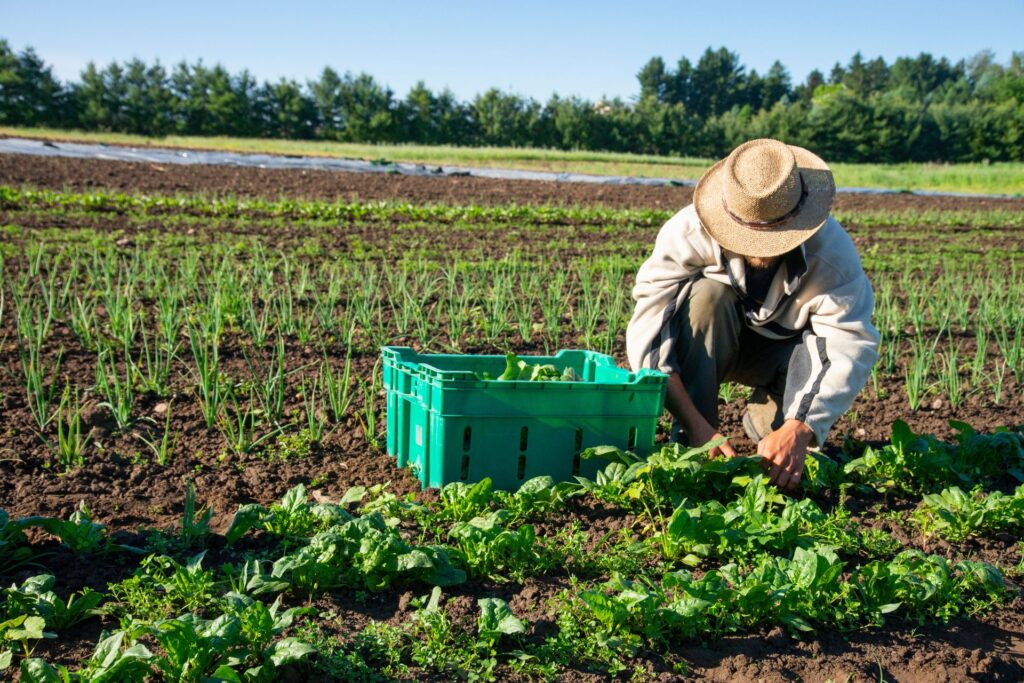
Fairtrade certification positively impacts workers and farmers by improving working conditions, ensuring fairer pay, and protecting the environment. It brings about positive change within the farming communities and promotes sustainable practices in producing Fairtrade-certified products.
Improved working conditions
Fairtrade certification leads to better job conditions for workers and labourers. This means safe environments where they can do their jobs without worrying about getting hurt. They have the rights and tools to look after their own safety and health.
Workers also get training on how to stay safe while working, making sure they go home in good shape every day.
This certification makes sure workers get time off, like holidays and sick leave, which is not always guaranteed without Fairtrade’s involvement. It encourages proper breaks during work hours too, so people aren’t overworked.
This all adds up to happier staff who feel valued and are more likely to stick around longer.
Fairer pay
Farmers and workers in the Fairtrade system earn higher wages compared to many others in their field. This boost happens because Fairtrade sets minimum price floors. These price floors ensure growers always receive a stable income, even when market prices drop.
It helps them cover their cost of living and protects against unpredictable markets.
Fairtrade also pays an extra sum called the Fairtrade Premium on top of the sale price. Communities use this money for projects that improve lives—like building schools or health facilities.
Thanks to these practices, farmers and workers involved with fair trade products can better support their families and invest in their futures, creating a cycle of positive impact within their communities.
Environmental protection
Transitioning from fairer pay to environmental protection, Fairtrade certification also prioritises sustainability and environmental protection. Fairtrade encourages environmentally friendly farming practices, such as reducing the use of chemical pesticides and promoting biodiversity.
This focus on environmentally sustainable agriculture helps to safeguard natural ecosystems while minimising negative impacts on local environments and wildlife.
Fairtrade also supports initiatives aimed at reducing carbon emissions and conserving energy resources in production processes. Additionally, by providing incentives for organic farming methods, Fairtrade contributes to the preservation of soil health and water quality, ensuring a more sustainable approach to agricultural production.
Moreover, Fairtrade standards promote responsible land management, including measures to protect endangered species’ habitats. By incorporating these environmental considerations into their certification process, Fairtrade actively contributes to the global effort towards conservation and ecological stewardship.
How to Get Fairtrade Certified
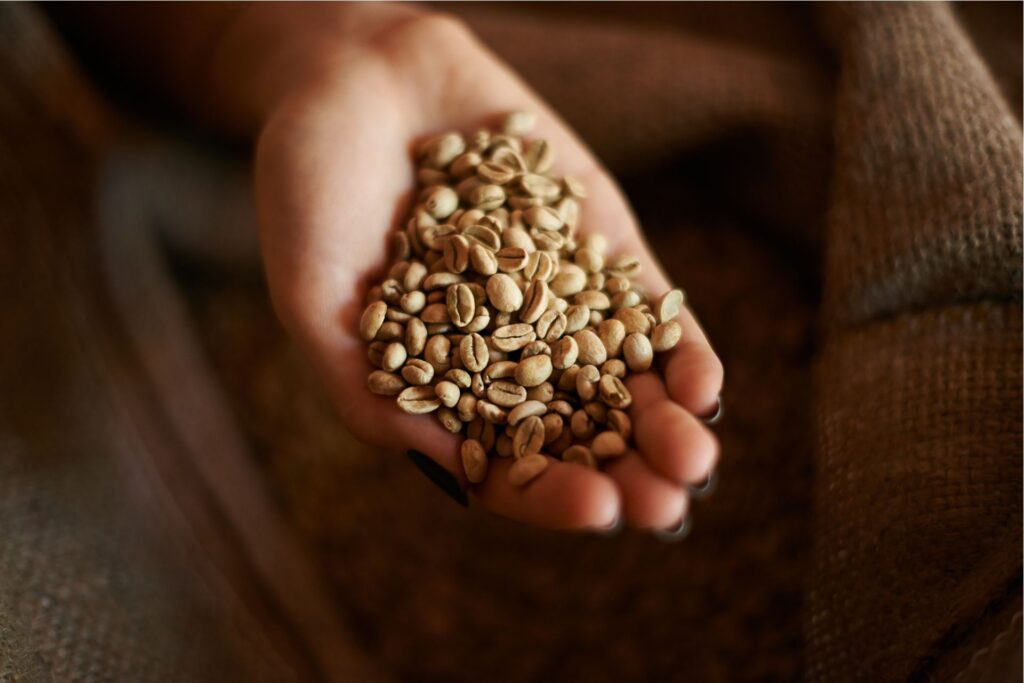
To get Fairtrade certified, contact the Fairtrade Foundation to understand the requirements and auditing process. Using the Fairtrade Mark can enhance your product’s visibility in the market.
Read on to learn more about navigating through the certification process.
Contacting the Fairtrade Foundation
If you’re a business or organisation interested in Fairtrade certification, reaching out to the Fairtrade Foundation is your first step. Contacting them can provide you with all the necessary information about certification requirements and the auditing process.
This ensures that you have a clear understanding of what it takes to become certified and use the Fairtrade Mark on your products. The Fairtrade Foundation offers guidance tailored to your specific needs, making it easier for businesses to navigate through the complexities of obtaining certification.
By getting in touch with the Fairtrade Foundation, you can unlock valuable insights into becoming part of a network dedicated to fairer trade practices, benefiting both producers and consumers alike.
Requirements for certification
To obtain Fairtrade certification, producers must adhere to specific requirements. These include demonstrating their commitment to fair trade principles and meeting the social, economic, and environmental standards set by Fairtrade International.
The process also involves providing evidence of compliance with labor laws, as well as paying fees for audits and royalties for using the Fairtrade Mark.
In addition to these general requirements, specific criteria vary depending on the type of product being certified. For instance, coffee producers must meet different criteria than those producing cotton or cocoa.
Each product category has its own tailored set of standards that are designed to enhance sustainability and ensure fairness in trading practices.
The auditing process
After meeting the requirements for certification, producers embark on the auditing process. This step involves a rigorous assessment of the production processes to ensure compliance with Fairtrade standards and principles.
Producers must undergo meticulous scrutiny by independent auditors who evaluate factors such as fair pay, safe working conditions, and environmental practices to verify eligibility for Fairtrade certification.
The audit serves as a crucial checkpoint in the journey towards Fairtrade certification and enables producers to demonstrate their commitment to ethical production practices.
Using the Fairtrade Mark
Once a product is Fairtrade certified, it can feature the Fairtrade Mark to indicate that it meets the necessary standards. This distinctive logo assures consumers that the item was produced and traded in line with Fairtrade principles, offering fair prices and better working conditions for farmers and workers.
The mark also signifies that environmental sustainability has been prioritised throughout the production process, making it an easily recognisable indicator of ethically sourced goods.
Fairtrade Foundation’s attention to detail ensures that only products meeting rigorous standards earn this mark. The use of the Fairtrade Mark not only guides consumers towards ethical purchasing choices but also supports producers in developing countries by providing them access to international markets.
Conclusion
Fairtrade certification provides significant benefits for farmers and workers alike. The process is straightforward, practical, and efficient, making it accessible to those willing to embark on this journey.
By obtaining Fairtrade certification, producers can improve working conditions, receive fair pay, and protect the environment. This initiative underpins the importance of fairness in trade practices while addressing the complexities within the realm of global trade.
Overall, understanding Fairtrade certification is not only about meeting development requirements but also seeking more than just a label – it’s about making a positive impact on communities and the environment.
FAQs
1. What is Fairtrade certification?
Fairtrade certification means a product meets the high standards set by Fairtrade International, including fair pay and conditions for farmers and workers. It helps with community development and supports producer groups.
2. How can I tell if a product is Fairtrade certified?
Look for the Fairtrade label on food products, cotton items, and other goods. This certified label shows that the item has passed best-in-class certification practices.
3. Why should I buy Fairtrade products?
Buying Fairtrade goods supports fair wages, better living conditions for farmers in countries like New Zealand and developing nations, and promotes sustainable farming methods.
4. Can only food products be Fairtrade certified?
No! Besides food items, there are many types of goods such as cotton marked with the Fairtrade cotton mark to show they meet strict environmental and social standards.
5. Who oversees the fairness of the trade?
Fairtrade America and national fair trade organisations work together under a global system to ensure that all aspects of production meet their rigorous requirements for fairness and sustainability.
Related posts:
- How To Teach Kids About The Environment
- Top 10 Eco-Friendly Deodorants In The UK
- Top 10 Eco-Conscious Beauty Brands in the UK
- Eco-Friendly Activewear Brands In The UK
- The Best Eco-Friendly Laundry Detergent In The UK
- 10 Best Eco-Friendly Hair Brands for a Sustainable Mane
- Sustainability Certifications For UK Businesses
- How To Teach Kids About The Environment
- Why You Should Consider A Non Processed Food Diet


You May Also Like

Sustainable New Year Goals: 20 Eco-Friendly Resolutions for UK Homes

How to Create a Slow Living Morning Routine
