
How To Teach Kids About The Environment
Raising eco-conscious kids can seem like a tough nut to crack. With the world facing environmental issues from climate change to plastic pollution, teaching our young ones about taking care of Mother Earth is crucial.
- Importance of Teaching Kids About the Environment
- Practical Strategies for Teaching Kids About the Environment
- Incorporating Environmental Education into Curriculum
- Teach Your Children Today!
- FAQs
- 1. What’s the most important thing to remember when teaching kids about the environment?
- 2. Can you suggest a better way to explain climate change to children?
- 3. Are there any creative ways to get kids involved in environmental protection?
- 4.Teaching kids about nature seems tough sometimes; any tips on making it easier?

But how do we start? And more importantly, how can we make this journey interesting for them?
A recent study suggests that an early introduction to environmental education significantly boosts children’s understanding and concern for nature. My blog post will guide you through simple yet effective strategies to spark your child’s interest in the natural world.
We’ll be talking about fun hands-on activities to fostering sustainable habits at a young age. So let’s get ready to inspire the next generation!
Importance of Teaching Kids About the Environment
Teaching kids about the environment is crucial for nurturing a love for nature and instilling a sense of environmental responsibility in them. It’s also essential for preparing the next generation to take care of our planet and address environmental problems.

Nurturing a love for nature and the planet
Kids feel a pull to the outdoors naturally. Exploring local parks and fields lets them see, touch, and learn about different types of plants and creatures up close. This hands-on experience at an early age sparks curiosity and builds a loving connection with Earth.
Planting a tree or growing a small garden teaches them how these small actions can have a positive impact on our planet’s health.
Encouraging young children to take simple steps like using reusable water bottles or opting for public transportation shows them how their daily choices reduce greenhouse gases. Sharing stories about endangered animals or showing the beauty of clean water streams highlights what’s at stake.
These activities make caring for the environment second nature to them, laying down roots for lifelong environmental stewardship.
Instilling a sense of environmental responsibility
Teaching young people to care for the environment goes beyond telling them not to litter. It’s about showing them how small changes, like using a compost bucket instead of throwing all waste into the trash, can make a big difference.
Make it fun by planting trees together on Earth Day or building a birdhouse from natural materials, which serves as a good example and strengthens their emotional connection with nature.
This way, they learn that taking care of our planet is part of their daily routine.
Encouraging kids to use less plastic by choosing paper bags at the grocery store or bringing school supplies in reusable containers teaches them sustainable choices from an early age.
They see firsthand how reducing their carbon footprint starts with simple ideas like turning off lights when leaving a room. By integrating these friendly habits into their lives, we prepare future generations for making significant steps towards environmental conservation.
Preparing the next generation
With a solid sense of environmental responsibility starting to take root, we must focus on preparing the younger generations for what lies ahead. Kids today are the future guardians of our planet, and it’s critical they understand not just the beauty but also the challenges of maintaining a sustainable future.
Teaching them about climate change, its causes and effects is a crucial step toward this goal.
Creating lesson plans that blend in discussions around reducing carbon emissions, conserving natural resources like forests and water bodies, and cutting down energy use through habits like switching off lights or using less plastic teaches them to make positive changes from an early age.
Sharing stories of success in fighting global warming or protecting wildlife can inspire young minds to think creatively about how they too can care for Earth. Every small action—be it recycling more diligently or choosing paper bags over plastic ones—helps prepare kids to face environmental challenges with resilience and ingenuity.

Practical Strategies for Teaching Kids About the Environment
Teaching kids about the environment can be made engaging and effective through hands-on activities and experiments. Encouraging sustainable habits through simple actions like recycling, energy conservation, and reducing waste gives them practical tools to contribute to environmental preservation without feeling overwhelmed by complexities.
Hands-on activities and experiments
- Plant seeds together and watch them grow. This simple activity teaches children where food comes from and hints at the importance of taking care of the earth.
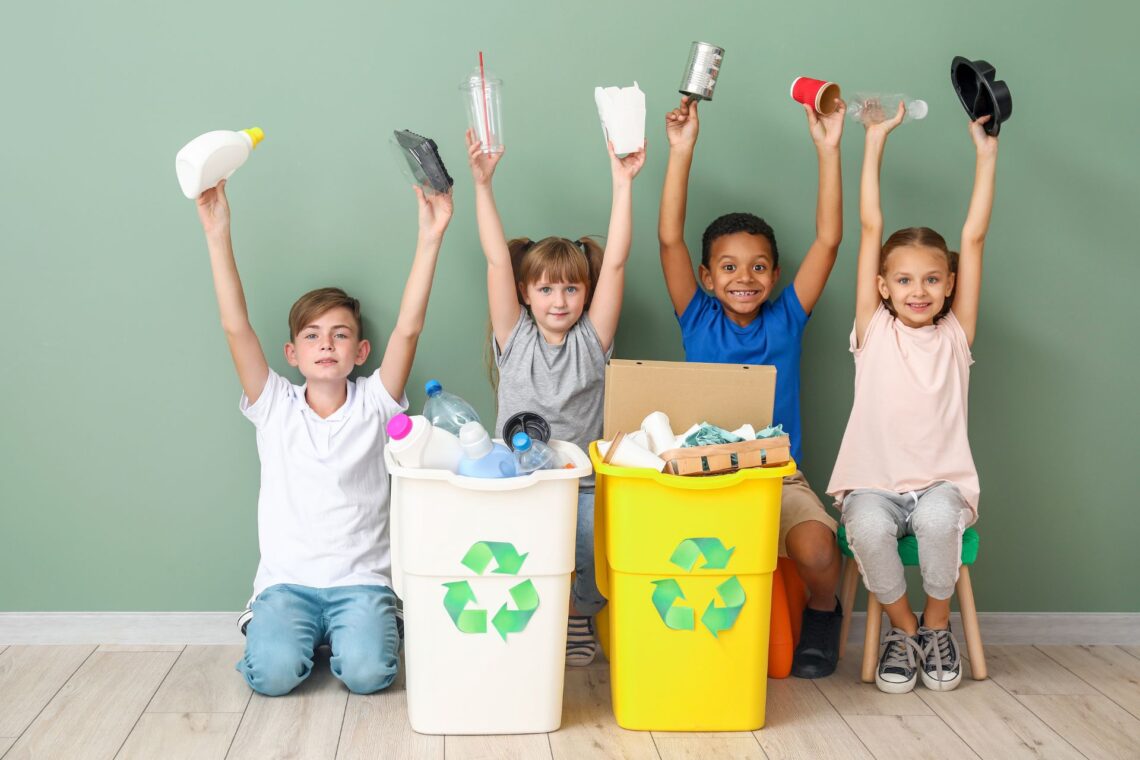
- Set up a recycling bin system at home or in the classroom. Show young ones the ropes by sorting paper, plastic, and metal. Discuss why reducing waste matters.
- Construct bird feeders from recycled materials like paper towel rolls. This fun project promotes creativity and demonstrates how small things can make a big difference for wildlife.
- Conduct science experiments that shed light on pollution’s effects on natural resources. For example, simulate an oil spill with water, cooking oil, and feathers to show its impact on birds.
- Take nature walks to collect leaves, rocks, and sticks for art projects. Emphasise the beauty of nature and encourage a love of nature through creative expression.
- Start a compost bin together, explaining how leftovers turn into nutrient-rich soil for plants. It’s an easy way to illustrate the cycle of life and our role in it.
- Make use of energy-efficient appliances during project days to highlight energy consumption’s role in caring for our planet.
- Create water conservation experiments such as measuring how much water we use daily versus what we really need by turning off taps properly or collecting rainwater for plants.
- Challenge them to invent something new from old items around the house or classroom instead of throwing things away—instilling a mindset of repurposing rather than discarding.
Engaging kids with these hands-on tasks cultivates environmental awareness and equips them with positive social-emotional skills by fostering empathy for our planet and its inhabitants.
Encouraging sustainable habits
Teaching kids to care for the environment starts with daily habits. Simple actions can make a big impact and help them understand their role in preserving our planet.
- Show them how to say no to a plastic bag at the store and bring their own reusable ones instead. This little thing reduces much waste.
- Initiate a family challenge to save energy at home by turning off lights when not in use and switching to green energy sources like wind or solar.
- Get creative by repurposing old items into art or new utilities, proving that not everything needs to end up in the bin.
- Involve them in meal planning to reduce food waste, explaining how saving leftovers for another meal cuts down on what goes into the landfill.
- Encourage walking, biking, or using public transport for short journeys instead of always relying on a car, highlighting the reduction in fossil fuels used.
- Make recycling an easy way of life by setting up clearly marked bins for different materials and explaining why it’s essential.
- Teach them about composting organic waste like fruit peels and vegetable scraps, turning what would be trash into nutrient-rich soil for their garden.
- Spend time outside in nature parks or reserves like Red Rock, fostering an appreciation for wildlife and natural environments early on.
- Highlight the importance of conserving water by taking shorter showers and turning off the tap while brushing teeth.
- Installing school vape detectors to deter them from vaping, and teaching them about good all quality.
By embedding these practices into daily routines, kids start developing good habits that contribute positively to taking care of our new home – Earth.
Connecting with nature
Spending time in the great outdoors is one of the best ways to teach kids about taking care of the environment. It turns every leaf, stream, and piece of soil into a living classroom, ripe with lessons.
- Organise nature walks in local parks or woodlands. It’s a fun way for kids to explore wildlife and learn about different habitats. Along the way, they might spot birds or insects and learn how each creature plays a role in our ecosystem.
- Start a small garden at home or school. Gardening teaches children how plants grow and what they need to thrive. Plus, it’s a perfect opportunity to talk about natural cycles such as photosynthesis and water cycles.
- Set up bird feeders and insect hotels in your garden. This encourages kids to observe wildlife up close and understand the importance of providing habitats for creatures big and small.
- Plan trips to botanical gardens or nature reserves. These places often offer educational materials crafted for young kids, making learning both fun and informative.
- Use apps that identify plants and animals during outdoor adventures. Technology can be a powerful tool in helping children connect with nature by making discoveries easy ways to learn names and facts about their surroundings.6 Bet on beach clean-up days or tree planting events as family outings. They offer wonderful things: fresh air, exercise, and lessons on conservation all rolled into one day out.7 Embark on star-gazing nights away from city lights where children can learn about constellations, planets, and discuss broader environmental issues like light pollution.8 .Keep a nature diary or scrapbook where kids can stick leaves, sketch their observations, and jot down thoughts from their outdoor experiences. This nurtures their creativity while cementing their connection to the natural world.9 Introduce them to stories like “Owl Moon” by Jane Yolen which weave together themes of adventure with love for the natural world – sparking imagination alongside environmental awareness.10 Engage older kids with projects like measuring rainfall or tracking local wildlife patterns through citizen science initiatives found on gov websites or through educational institutions like Stanford University.
Every step outside is an opportunity for hands-on learning where young minds can grasp complex ideas like ecosystems in easy ways that are not just memorable but foster a lasting respect for our planet.

Incorporating Environmental Education into Curriculum
Integrating environmental education into the curriculum can greatly enhance students’ understanding of environmental issues. By using tools such as interactive digital resources, field trips to local ecosystems, and collaborative projects on sustainability, educators can capture children’s interest and foster a deeper connection with nature.
To explore more about this effective strategy for teaching kids about the environment, delve into our article.
Building on the Sustainable Development Goals
Teaching kids about the Sustainable Development Goals (SDGs) opens their eyes to global challenges. It’s a great way to connect classroom lessons to real-world issues.
- Start with an easy-to-understand overview of what SDGs are and why they matter. Use simple terms to explain that these goals aim to make the world a better place by tackling big issues like poverty, inequality, and climate change.
- Show how each goal impacts daily life. Relate topics like clean water and good health to students’ routines, making it relevant.
- Use interactive online tools and games that focus on environmental education. These can make learning about complex topics like natural gas usage or reducing childhood obesity more engaging.
- Plan activities that align with Eco Schools, Woodland Trust Green Tree, or Wildlife Trust Wild Schools awards. This provides a structure for practical action and shows kids the impact they can have.
- Encourage projects on local environmental issues in the early years of school, linking them back to global goals. This demonstrates how local actions contribute to worldwide change.
- Create an art project or essay writing competition about envisioning the future if all SDGs are achieved. This encourages creative thinking and optimism about making a positive difference.
- Foster partnerships with local organisations working toward these goals for field trips or guest speakers; this makes the goals come alive through real stories.
- A perfect time for outdoor learning experiences where students can connect with nature directly, seeing firsthand what they’re working toward preserving.
By adopting these strategies, teachers give small children a solid foundation in understanding and participating in efforts that benefit mental health, social-emotional learning, and the vast majority of brain development during their formative years in education—preparing them not just academically but as conscientious members of our planet’s future generations
Readings, videos, and discussions
Teaching kids about the environment can be effectively done through a variety of resources. Utilising readings, videos, and discussions can enhance their understanding and create a lasting impact. Here are some ways to incorporate these tools:
- Engage children with age-appropriate books that raise awareness about environmental issues, such as “The Trouble With Dragons” by Debi Gliori.
- Utilise educational videos to visually demonstrate environmental concepts and practices in an engaging way.
- Organise group discussions to encourage critical thinking and empathy towards environmental challenges.
These tools not only enrich children’s knowledge but also foster a sense of responsibility towards the environment.

Teach Your Children Today!
To sum up, incorporating environmental education into the curriculum is crucial to preparing the next generation. Hands-on activities, encouraging sustainable habits, and connecting with nature are practical strategies for teaching kids about the environment.
By building on Sustainable Development Goals (SDGs) and using readings, videos, and discussions as tools in classrooms, educators can effectively instil a sense of environmental responsibility in children.
Emphasising the importance of these strategies cannot be overstated. The impact of such approaches extends far beyond individual classrooms; it has the potential to nurture a generation passionate about protecting our planet.
I encourage you to explore these methods further by seeking additional resources that promote active engagement with environmental education concepts beyond this article.
FAQs
1. What’s the most important thing to remember when teaching kids about the environment?
The key is to keep it simple and fun. Think of the environment as a big playground that needs our help to stay clean and beautiful. It’s like telling them, “Hey, let’s make sure this great place stays awesome for every adventure we plan!” This approach turns learning into an exciting quest rather than a hard time.
2. Can you suggest a better way to explain climate change to children?
Absolutely! Imagine if Julie Davis from down the street baked cookies every day, but one day she decides to bake twice as many without opening any windows. Her house would get really hot, right? That’s sort of what’s happening with Earth – too much stuff is trapping heat. Kids understand when you put it in terms they know: too many cookies can make things uncomfortably warm!
3. Are there any creative ways to get kids involved in environmental protection?
You bet! How about turning trash into treasure? Next time you’re about to toss something out, challenge your little ones to think of how it could be used again. Maybe that old jar becomes a new home for a plant or those scrap papers turn into an art project. It shows them that being eco-friendly is not just good for Earth; it sparks their imagination too.
4.Teaching kids about nature seems tough sometimes; any tips on making it easier?
Sometimes all you need is a bit of outdoor magic. Take them outside and let Mother Nature do the talking – whether it’s exploring local parks or just observing bugs in the backyard, real-world experiences are golden tickets for curiosity and learning. Remember Julie Davis who loves her garden? Why not visit her and see what green thumbs can do up close? It proves there’s no better teacher than nature itself.
Related posts:


You May Also Like

How Much Water Does ChatGPT Use? The Complete 2026 Guide to AI Water Consumption

The Role Of Bees In The UK Ecosystem (Updated 2025)
