
Is Owning Pets Environmentally Friendly?
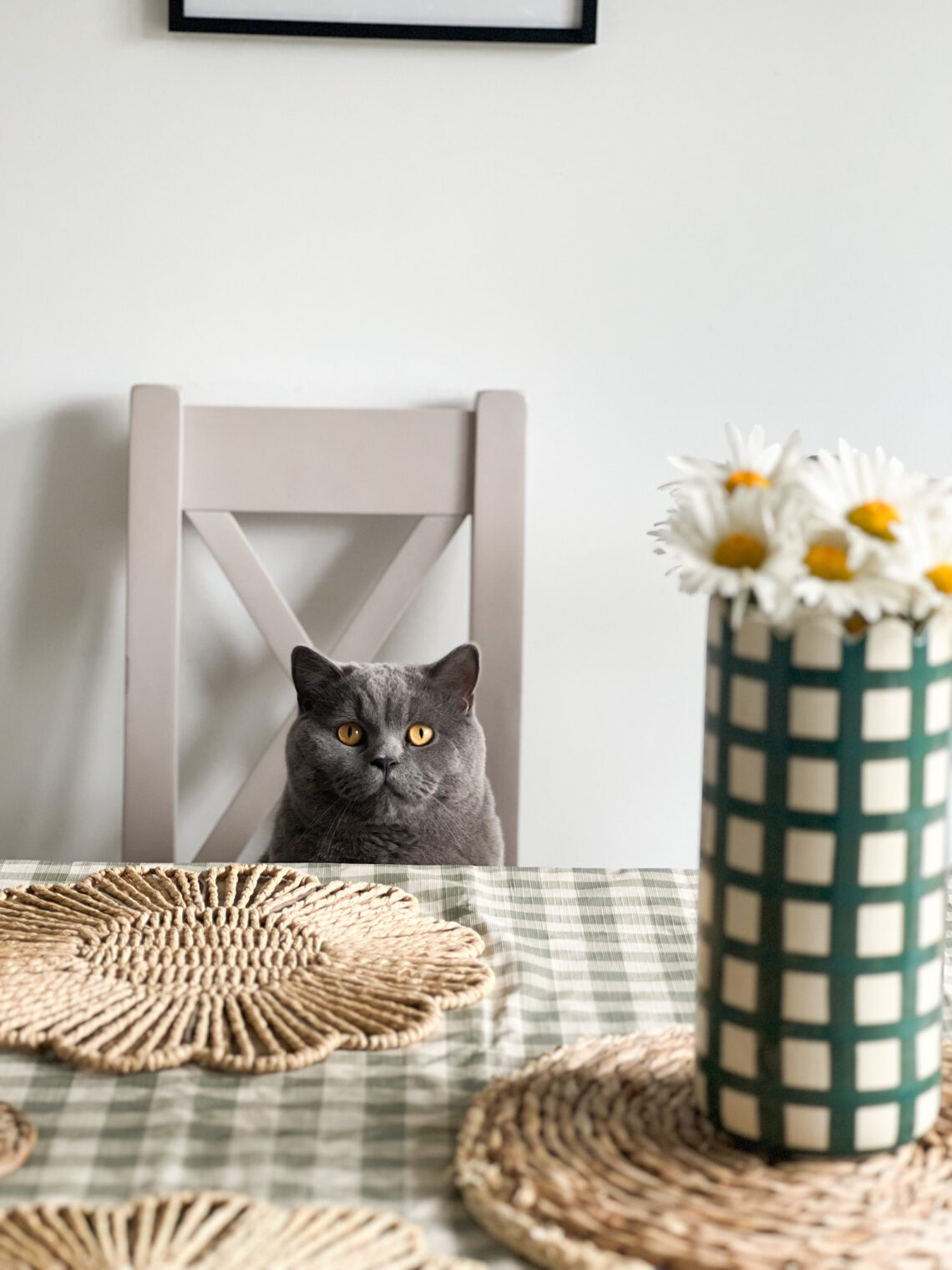
Most people own pets, they can be very rewarding. Yet, have you ever stopped to think about how our furry friends affect the planet? With millions of dogs, cats, and small mammals like guinea pigs calling homes across the United Kingdom their own, it’s a question worth exploring.
One interesting fact is that the global pet care market, including food and products for our beloved pets, significantly influences environmental issues like climate change.
Is having pets is eco-friendly? Let’s look at practices around dog food, cat litter, and even innocent-looking plastic bags for pet waste contribute to resource consumption and carbon emissions.
By focusing on sustainable living tips such as choosing sustainable materials for new toys or opting for biodegradable poop bags over ordinary plastic ones, we aim to guide pet parents towards making mindful choices for a greener future with their animal companions.
Let’s begin!
The Environmental Impact of Pet Ownership
Owning pets can have a significant environmental impact, contributing to increased carbon emissions, resource consumption, and waste generation. The pet industry’s demand for food and supplies also affects the environment through its supply chains and production processes.
Increased carbon emissions
Pets add a lot to our lives, but they also increase carbon emissions. For instance, dogs and cats mainly eat meat. Producing this meat leads to tons of carbon dioxide being released into the atmosphere each year.
Gregory Okin’s studies show that pets in the United States create about 64 million tonnes of carbon dioxide annually. This is like adding millions of cars to the roads.
The pet food industry plays a big part in this issue. It relies heavily on global meat consumption and supply chains, which have a significant impact on our planet’s health. Choosing sustainable options for pet food can reduce these emissions.
Resource consumption
Owning pets means using more resources, like water and food. Dogs and cats eat a lot of meat-based pet food, which requires lots of water and energy to produce. The process also uses up plenty of earth’s resources in making the packaging for these foods.
Many owners want their pets to enjoy a meat-heavy diet, but this choice can lead to bigger environmental costs due to high resource use.
Making eco-friendly choices for our pets can help cut down on how much we consume. Choosing sustainable pet food made with less wasteful packaging or even plant-based options for dogs that tolerate them can make a big difference.
Water consumption by pets is another area where changes can have an impact. Using products like compostable waste bags instead of plastic ones when cleaning up after your dog at the park is a great way to reduce resource use too.
Waste generation
Pets produce a lot of waste, including dog poop and cat litter. Every day, dogs and cats across the UK create tonnes of waste that needs managing. Dog owners often use plastic bags to pick up after their pets, adding to the amount of plastic in landfills.
Cat owners face a similar problem with used cat litter, especially when it contains bentonite clay, which does not break down easily.
Thankfully, there are better options for dealing with pet’s waste. Compostable bags can replace plastic ones for dog waste. Some types of cat litter are made from biodegradable materials like wood shavings or recycled paper, reducing the environmental impact.
Making smart choices about how to handle pet waste protects our parks and streets while also caring for the planet.

Sustainable Practices for Pet Ownership
Choosing eco-friendly pet food
Choosing eco-friendly pet food makes a huge difference in reducing your pet’s environmental impact. It involves understanding the ingredients and their origins, as well as the packaging.
- Look for foods with plant-based ingredients where possible, as these usually have a lower carbon footprint than meat-based options. Many pets thrive on diets that include a mix of meat and plants.
- Pick brands that use local ingredients to cut down on emissions from transportation. Foods made with locally sourced products support your community too.
- Consider foods made from by-products or organs, which are nutritious but often wasted in human food production. This helps reduce food waste significantly.
- Opt for products packaged in recyclable materials to limit plastic waste. Brands now offer recyclable or compostable packaging options.
- Check for certifications like organic or sustainably sourced, which ensure the ingredients were grown or raised without harming the environment.
- Support companies that invest in sustainable practices beyond just the food they produce, such as those using renewable energy in their manufacturing process.
- Reduce the amount of food you buy by accurately measuring your pet’s portions to decrease waste and save money.
- Explore homemade diets if you have time and resources, ensuring you consult with a vet to meet all nutritional needs without over-reliance on resource-intensive ingredients.
- Recycle old t-shirts or household items into pet toys instead of buying new ones, reducing overall consumption and waste associated with pet supplies.
- Beware of exotic animal diets that advocate for wild-caught meats, as these can have detrimental effects on wild populations and biodiversity.
Selecting eco-friendly pet food is not just about what’s inside the container; it’s also about how that product reached you and what happens after its use. Making informed choices helps ensure pets contribute positively to both their physical health and the planet’s wellbeing.
Proper waste management
Proper waste management is crucial for eco-friendly pet ownership. It reduces your pet’s environmental impact significantly.
- Collect and dispose of cat poop using biodegradable bags instead of plastic ones. This small change can significantly cut down on plastic waste, which takes years to decompose.
- Invest in compostable litter for your feline friends. Many traditional litters are not environmentally friendly, but compostable options offer a more sustainable choice. I use a plant-based pea husk one that clumps, so only needs changing once a month.
- Create a separate bin for pet food packaging, especially if it’s recyclable. Recycling reduces the amount of rubbish that ends up in landfill sites.
- Compost pet wastes whenever possible. Not all pet waste is suitable for composting due to health risks, but some, like herbivore waste, can be safely added to your compost pile.
- Switch to eco-friendly pet products, including toys made from recycled or natural materials. Eco-conscious goods often come with less packaging or recyclable packaging.
- Use water wisely when washing your pet or cleaning out tanks and cages. Consider reusing this water for plants instead of letting it go down the drain.
- Feed pets with sustainable food choices that have a lower carbon footprint and require fewer resources to produce. Look for brands that use responsibly sourced animal products or plant-based alternatives where suitable.
- Pick up after your dog in public places such as parks using eco-friendly poop bags to prevent contamination and the spread of diseases.
- Educate yourself on the most eco-friendly pets if considering adding a new furry member to the family. Some animals have a smaller environmental impact than others.
Taking these steps for proper waste management not only makes you a responsible pet owner but also helps protect our planet for future generations.
Selecting eco-conscious pet supplies
Choosing eco-conscious pet supplies is a great step towards reducing your pet’s environmental impact. It helps make your furry friend’s lifestyle more sustainable.
- Opt for toys made from recycled materials or sustainable sources. Many dog products now use recycled plastics or natural fibres, which cuts down on waste.
- Purchase biodegradable litter for cats and small animals. Traditional litter adds tons of waste to landfills each year, whereas biodegradable options break down naturally.
- Select pet food packaged in recyclable materials to reduce plastic waste. Brands increasingly use eco-friendly packaging, aligning with a more sustainable planet approach.
- Choose pet beds crafted from organic or upcycled fabrics. This move supports reduced chemical usage in the manufacturing process and promotes repurposing materials.
- Look into plant-based diet options for pets where appropriate. While dogs can thrive on a vegetarian diet, obligate carnivores like cats require meat proteins, but you can seek brands that use ethical meat sourcing.
- Invest in durable pet accessories over disposable ones to decrease overall consumption and waste generation. Durable goods like collars, leashes, and bowls made from sturdy materials last longer and need replacing less often.
- Consider homemade treats using healthy food ingredients instead of buying commercial snacks packed in plastic. This reduces packaging waste and allows control over what your pet eats.
- Use eco-friendly flea medicines that are kinder to the environment while still effective at keeping pests at bay without harsh chemicals.
- Support companies that produce pet supplies locally to cut down on carbon emissions related to shipping from overseas locations.10: Engage with animal shelters for adopting pets rather than purchasing from breeders who may not follow sustainable practices.

Balancing Love for Pets with Environmental Responsibility
Alternatives to traditional pet ownership
- Supporting Local Animal Shelters: Instead of buying pets, you can volunteer at or donate to local animal shelters. This helps provide care and support for animals in need without increasing demand for bred pets.
- Fostering Animals: Temporarily housing pets in need offers them a loving environment while they wait for a permanent home. It reduces the strain on shelters and doesn’t have the long-term environmental impact of owning a pet.
- Virtual Pet Adoption: With technology, virtual pet apps allow individuals to experience pet ownership digitally. This approach requires no physical resources besides your device, cutting down on food consumption and waste generation.
- Pet Sharing with Neighbours or Friends: Co-owning a pet with someone in your community can reduce your environmental footprint by sharing responsibilities and resources like food and toys.
- Wildlife Gardening: Creating spaces that attract wild animals to your garden supports biodiversity without the need for domesticated pets. Planting native flowers, installing bird feeders, and setting up insect hotels encourage wildlife visits.
- Choosing Eco-Friendly Pet Food and Supplies: If you already own a pet or decide to adopt one, selecting sustainable choices for their food and products greatly reduces their environmental impact. Look for brands that prioritise renewable resources and minimal packaging.
- Proper Waste Management: Implement eco-friendly practices when dealing with your pet’s waste to minimise its negative effects on the environment. Use biodegradable bags for dogs and environmentally friendly litter options for cats.
- Join Dog Parks or Community Pet Activities: Participating in communal dog walks or park meetings lowers the need for individual toys and activities by sharing resources among multiple owners.
Remember that every positive step taken towards mitigating the environmental impact of owning pets carries significant weight in creating a greener world for all living beings.
Related posts:


You May Also Like

The Role Of Bees In The UK Ecosystem (Updated 2025)

The Environmental Impact of Fireworks in the UK
