
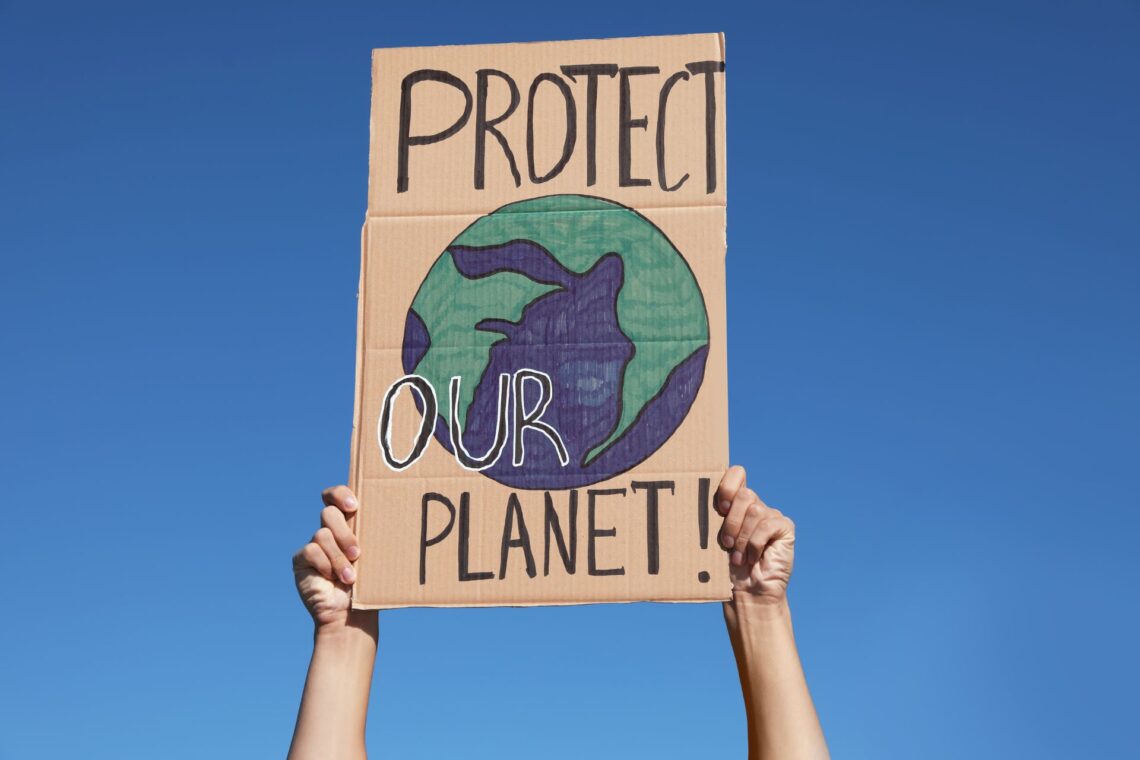
Debunking Climate Change Myths In The UK
Talking about climate change can sometimes feel like wandering through a fog of facts, opinions, and myths. Especially on social media where there are loads of conspiracy theories!
In the UK, as around the globe, we hear lots of different stories about global warming, what causes it, and how bad it really is. Some say it’s all doom and gloom; others reckon it’s not happening at all. It can be hard to know who to trust.
One key fact stands out in this sea of information: 97% of climate scientists agree that humans are causing global temperatures to rise. This isn’t just another opinion; it’s solid evidence backed by years of research on greenhouse gas emissions since the Industrial Revolution.
Let’s clear up the confusion by tackling common myths head-on with simple explanations and real data. By understanding these truths, you’ll see why taking action against human-induced climate change is so vital for our planet – and for future generations too.

Climate Change Myths
Here are some common climate change denial myths debunked:
- Myth: Climate change isn’t real; it’s just natural variability.
- Debunked: While natural climate variability exists, scientific evidence overwhelmingly supports that human activities, particularly the burning of fossil fuels, have significantly accelerated global warming.
- Myth: It’s too cold today for global warming to be true.
- Debunked: Climate change refers to long-term trends in average temperature and weather patterns, not daily or even seasonal variations.
- Myth: The Earth has warmed and cooled in the past; this is just another natural cycle.
- Debunked: The current rate of global temperature rise is unprecedented in recent history and correlates closely with human activities, such as greenhouse gas emissions.
- Myth: Climate models are unreliable; they can’t predict future climate changes accurately.
- Debunked: While no model is perfect, climate models have successfully predicted many aspects of climate change observed today and are continually improving.
- Myth: CO2 is a small component of the atmosphere; it can’t have a significant effect on global climate.
- Debunked: Despite being a trace gas, carbon dioxide (CO2) plays a crucial role in regulating Earth’s temperature through the greenhouse effect. Increased CO2 levels due to human activities intensify this effect.
- Myth: There’s no consensus among scientists about climate change.
- Debunked: The overwhelming majority of climate scientists agree that climate change is happening and is primarily driven by human activities. Various scientific organizations worldwide endorse this consensus.
- Myth: The climate has always been changing; there’s nothing unusual about current changes.
- Debunked: While climate has indeed changed throughout Earth’s history, the current rate and extent of change are exceptional and unprecedented in thousands of years.
- Myth: Global warming will be beneficial; it will increase agricultural productivity and open up new areas for farming.
- Debunked: Climate change is causing disruptions to ecosystems, water availability, and weather patterns, which can have negative impacts on agriculture and food security globally.
- Myth: Climate change is just a scare tactic to implement global governance and restrict personal freedoms.
- Debunked: Addressing climate change involves a range of policy responses, but the scientific basis for action is grounded in evidence-based research on the risks and impacts of global warming.
- Myth: There’s nothing we can do about climate change; it’s too late to make a difference.
- Debunked: While climate change presents significant challenges, taking action now to reduce greenhouse gas emissions, adapt to changes, and invest in sustainable technologies can still mitigate its worst effects and build a more resilient future.

The Truth About Climate Change
Climate change is a verifiable fact, supported by scientific evidence and consensus. Human activities, such as the burning of fossil fuels, contribute significantly to the growing problem.
Consensus among scientists
Scientists from all over the world agree that climate change is real and humans are causing it. Studies by groups like the Intergovernmental Panel on Climate Change show this clearly.
They tell us greenhouse gases from cars, factories, and other human activities trap heat in our atmosphere. This makes our planet warmer.
Reports also highlight that since the late 19th century, global average surface temperature has gone up because of increased carbon dioxide levels in the air. Most experts support these findings.
Research from institutions such as Imperial College London provides strong evidence linking human activity to climate changes we see today, like melting ice caps and more extreme weather events.
Fact, not a political hoax
Scientific consensus on climate change is strong, with a vast majority of climate scientists agreeing that recent decades have seen the earth’s climate warming at rates unseen in natural cycles over thousands of years.
Research from respected institutions worldwide supports this view, showing clear links between carbon emissions from human activities and significant changes in global temperatures, sea level rise, and melting ice sheets.
These studies rely on rigorous analysis of data collected from weather stations, ocean temperatures measurements, and satellite observations.
Evidence linking human activity to climate change includes the increased concentration of greenhouse gases like carbon dioxide in our atmosphere due to burning fossil fuels. This has enhanced the greenhouse effect, leading to more heat being trapped in Earth’s atmosphere and causing global temperatures to rise.
The effects of these changes are widespread, affecting everything from polar bears’ habitats to increased frequency of extreme weather events across different regions. Moving forward, understanding how carbon footprint reductions can slow or reverse some aspects of climate change will be crucial.
Evidence linking human activity and climate change
Scientists have found strong connections between human actions and the heating of our planet. They use climate models to show how gases like carbon dioxide from cars, factories, and deforestation trap heat in our atmosphere.
This process is much like a blanket wrapping around Earth, causing temperatures to rise. The evidence isn’t just in predictions; it’s happening now. Last year was one of the warmest years on record, pointing directly to a troubling warming trend.
The effects of this temperature rise are evident across the globe. Ice at both poles is melting faster than ever before, leading to higher sea levels that threaten coastal cities. Extreme weather patterns, such as more intense hurricanes and prolonged droughts, have become more common in recent years.
These changes harm not just natural habitats but also affect agriculture and water supplies for millions of people. Each piece of data adds up, showing us how important it is to reduce human-caused contributions to climate change urgently.
The Reality of Climate Change
Climate change is happening rapidly
Global temperatures are soaring at an unprecedented rate. Records show that the last decade was the warmest on record, with each passing year bringing new extremes in heat, rainfall, and severe weather events.
The hottest years ever recorded have all occurred in the past century, signalling a clear shift in our climate system.
Human actions are directly linked to these changes. Activities such as burning coal, oil, and gas release vast amounts of carbon dioxide into the atmosphere. This has led to a significant increase in global temperature rises, melting Antarctic sea ice and causing ocean currents to alter their course.
The impacts of these rapid changes are felt worldwide, from urban areas suffering under the urban heat island effect to far-reaching effects on coral reefs and polar regions.
Impact of burning fossil fuels
Burning fossil fuels releases a massive amount of carbon dioxide into the atmosphere. This action significantly contributes to the climate crisis by trapping heat and causing global temperatures to rise.
Vehicles, factories, and power plants rely heavily on coal, oil, and natural gas, which are major sources of these emissions. The result is a warming planet, more extreme weather events, and disrupted ecosystems.
These emissions also lead to higher concentrations of nitrous oxide and damage to the ozone layer. The rise in temperature changes water vapour levels in the atmosphere, affecting rainfall patterns and leading to both flooding and droughts in specific regions around the world.
As carbon dioxide levels continue climbing due to ongoing reliance on fossil fuels for energy production, impacts like melting ice caps and rising global sea levels become more severe, threatening wildlife habitats as well as human settlements along coastlines.
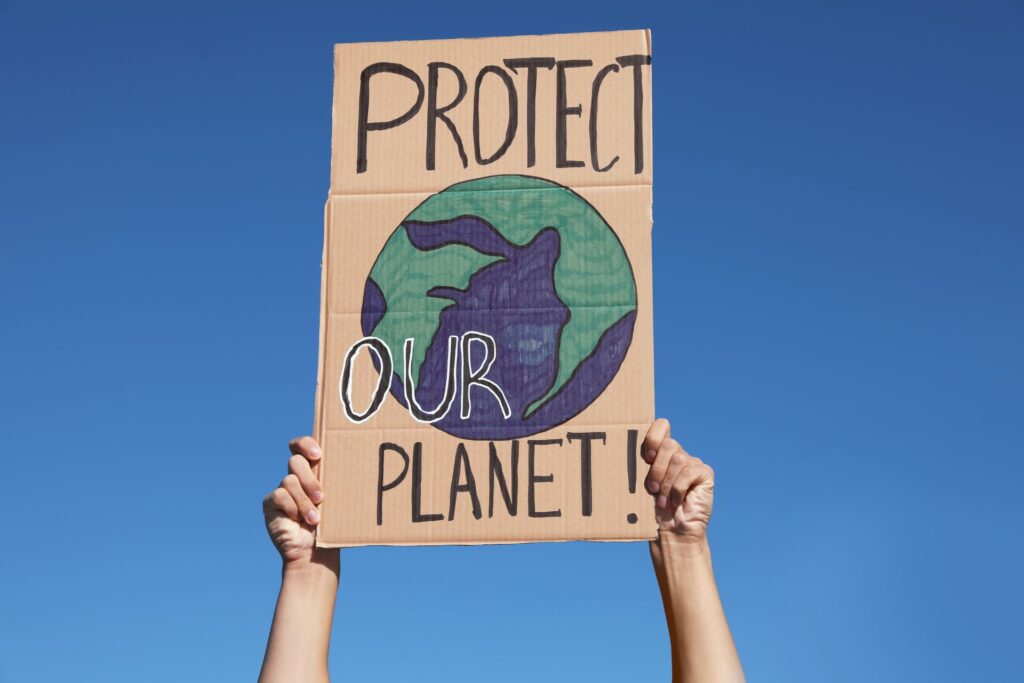
Taking Action Against Climate Change
Solutions to address climate change are readily available globally, requiring collective effort. Renewable energy sources play a pivotal role in combating the effects of climate change.
Solutions already available
Many solutions to combat climate change exist today, tapping into renewable energy sources like solar energy and wind power. Countries around the globe have started shifting from fossil fuels to these cleaner alternatives, significantly reducing carbon dioxide emissions in the process.
Smart technologies like electric vehicles and LED lighting also play a crucial role, offering more efficient ways to use and conserve energy.
Innovations such as carbon sequestration capture harmful emissions directly from the air or at the source, locking them away before they can impact our climate. With each of these steps, from global scale changes down to individual choices, we’re making progress towards a safer planet.
Next up: understanding why global cooperation is essential in this fight against climate change.
Need for global cooperation
Exploring solutions makes it clear that fighting climate change demands we all work together. Countries around the globe must unite to share knowledge, resources, and technology. This cooperation is crucial because emissions in one country can affect air quality across borders.
The Paris Agreement reflects this understanding by gathering nations to set targets for reducing greenhouse gases.
To tackle global warming effectively, international organisations like the United Nations play a key role in coordinating efforts. They help ensure that countries both rich and poor have a say and access to funds for climate action.
Sharing success stories from renewable energy projects or conservation efforts inspires others to follow suit. Through teamwork on a global scale, we can address the impacts of climate change more efficiently and protect our planet for future generations.
Role of renewable energy
Renewable energy plays a crucial role in combatting climate change. It includes wind, solar, hydroelectric, and geothermal power sources. These technologies harness natural resources that are constantly replenished and do not rely on finite fossil fuels, making them sustainable and environmentally friendly options.
In the UK alone, renewable energy accounted for 47% of electricity generation in the first quarter of 2020 according to the UK government’s official statistics.
Additionally, renewable energy reduces greenhouse gas emissions which contribute to global warming. Embracing these clean alternatives is essential for mitigating climate change by decreasing reliance on non-renewable resources like coal and oil.
This transition can also increase energy security by creating diverse and distributed sources of power while promoting economic growth through investments in green technology.
Debunking Myths About Climate Change
Debunking myths about climate change involves correcting misconceptions, dispelling doubts, and providing credible information. Understanding the real facts is crucial in combating this global challenge effectively.
To learn more, read the full article now.
Misunderstanding of scientific consensus
Some people mistakenly believe that there is no consensus among scientists about climate change. However, the reality is that 97% of climate scientists agree that human activities are significantly contributing to global warming.
This agreement is based on multiple studies and research conducted by reputable organisations such as the Grantham Institute and the Met Office.
Moreover, it’s important to note that this consensus isn’t limited to one region or country; it is a globally recognised understanding within the scientific community. The evidence linking human activity to climate change has been meticulously studied and documented, underpinning the urgent need for action against this pressing global issue.
Denial of human-caused climate change
The denial of human-caused climate change is a common myth perpetuated by sceptics. Despite overwhelming evidence, including data from the Intergovernmental Panel on Climate Change (IPCC), some continue to reject the idea that human activity contributes significantly to global warming and its related impacts.
This denial often stems from a misunderstanding or misinterpretation of scientific consensus and findings. However, reputable scientific organisations such as NASA and the Met Office have repeatedly affirmed that human influence is the dominant cause of recent global warming, backed by extensive research and observable trends in temperature rise and extreme weather events.
Furthermore, it is essential to address this myth with accurate information about how greenhouse gas emissions from activities like burning fossil fuels directly contribute to climate change.
Refuting these misconceptions is crucial for fostering greater public understanding and support for necessary actions to mitigate climate change’s effects.
Blaming other countries
Blaming other countries for climate change is a common myth that overlooks the collective responsibility needed to address this global issue. Instead of pointing fingers, it is essential to recognise that all nations play a role in environmental impact.
Framing the debate on blame distracts from the urgent need for collaborative action and equitable solutions.
While some may attempt to shift responsibility onto other countries, it is important to acknowledge the interconnected nature of climate change and focus on shared efforts towards mitigation.
It is vital for nations to work together, prioritising sustainable practices and policies that benefit the planet as a whole – rather than singling out individual countries. This approach can pave the way for meaningful progress in addressing climate change without getting caught up in unproductive blame games.
Moving forward with proactive and cooperative measures serves as an effective strategy in creating real change while avoiding divisiveness. With this understanding, it becomes clearer that blaming other countries hinders progress towards genuine solutions on combating climate change.
Downplaying the impact of a 1.5 degree C temperature increase
Some individuals downplay the potential consequences of a 1.5 degree Celsius rise in temperature, underestimating its significance and impact on the environment. However, scientific evidence strongly suggests that even this seemingly small increase could lead to devastating effects.
The Grantham Research Institute highlights that a 1.5 degree Celsius rise would significantly intensify extreme weather events, including heatwaves, hurricanes, and heavy rainfall, directly impacting human lives and livelihoods.
Furthermore, it is estimated that such an increase could result in rapid sea-level rise, endangering coastal areas and island nations.
The United Nations Intergovernmental Panel on Climate Change (IPCC) emphasises that limiting global warming to 1.5 degrees Celsius is crucial in averting catastrophic consequences such as widespread ecosystem degradation and loss of biodiversity.
Failing to acknowledge the severity of this temperature rise can hinder efforts to mitigate climate change effectively.
– Grantham Research Institute
– United Nations Intergovernmental Panel on Climate Change (IPCC)
Belief that adaptation is enough
Many people believe that adapting to the changing climate is sufficient. However, simply relying on adaptation could prove inadequate as the pace and severity of climate change continues to escalate.
It is essential to acknowledge that while adaptive measures have their place, they are not a panacea for combating climate change. Ignoring proactive mitigation efforts in favour of solely adapting to the consequences of climate change overlooks an important aspect of addressing this global challenge.
Moving forward, it’s crucial to recognise that adaptation alone won’t be enough to effectively address the impacts of climate change. Implementing comprehensive strategies that encompass both adaptation and mitigation is paramount for ensuring resilience in the face of a rapidly changing climate landscape.
Next heading: Conclusion
Conclusion
Climate change is a pressing issue with far-reaching consequences, impacting the UK and beyond. We’ve explored the scientific consensus on climate change and debunked common myths, emphasising the need for urgent action.
Addressing climate change through existing solutions and renewable energy is both practical and feasible. By doing so, we can make a significant impact not only in the UK but globally.
For further engagement, readers are encouraged to seek additional resources or guidance related to combating climate change. Let’s take this opportunity to act purposefully towards a sustainable future for all.


You May Also Like

The Environmental Impact of Fireworks in the UK

The Role Of Bees In The UK Ecosystem (Updated 2025)
