
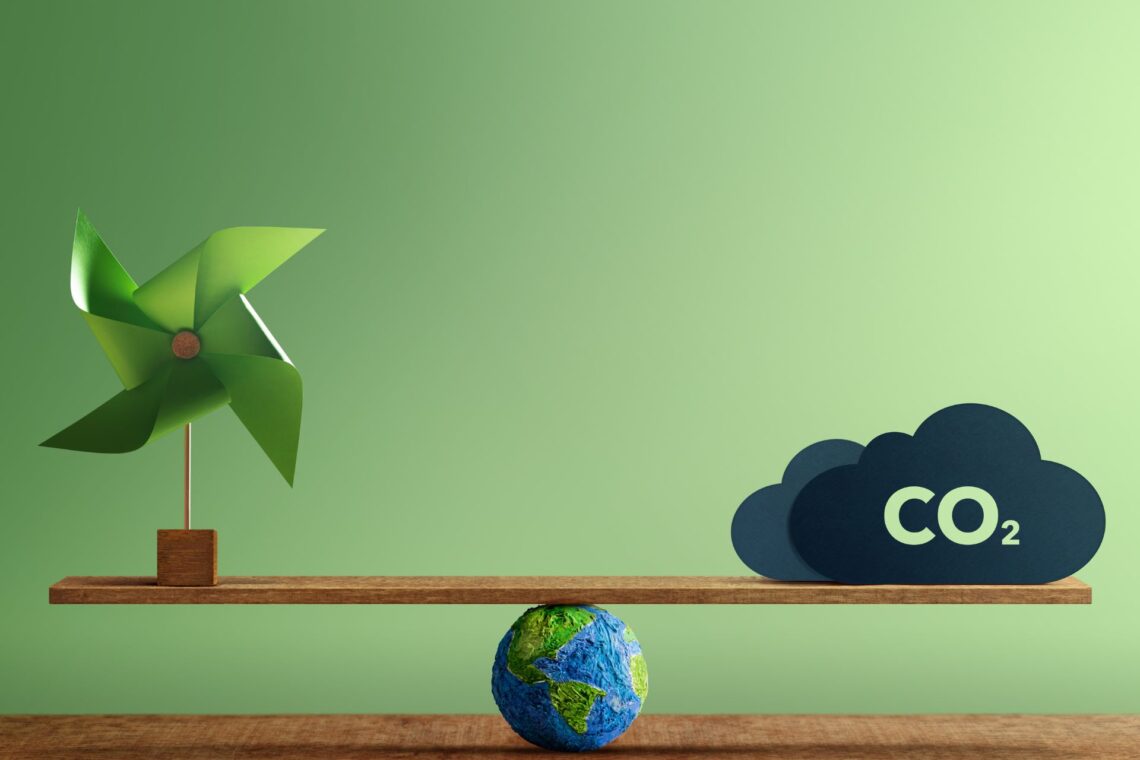
Effortless Ways To Lower Your Carbon Footprint In The UK
Many of us in the UK are feeling the heat from climate change, quite literally. Summers are getting hotter, and winters weirder. It’s clear something’s up with our planet. But what can you do about it?
One surprising fact is that the average person in the UK has a carbon footprint of over 10 tonnes per year – that’s like filling your home three times over with CO2! This blog post will guide you through easy ways to cut down on those emissions without turning your life upside down.

Understanding Your Carbon Footprint
Understanding your carbon footprint is essential in making informed decisions about reducing your environmental impact. Measuring CO2 emissions and understanding the biggest contributors to carbon emissions allows you to take effective steps towards lowering your carbon footprint.
What is a carbon footprint?
A carbon footprint measures the amount of greenhouse gases, especially CO2, released into the atmosphere by human activities. Every time you drive a car, use electricity from fossil fuels, or eat food that’s been transported over long distances, you add to your carbon footprint.
It sums up all emissions of CO2 and other greenhouse gases (like methane from cattle), changing them into a single weight of CO2.
Homes in the UK rely on energy for heating and cooling, contributing significantly to their carbon footprints. Simple actions like switching to a green energy provider can cut down these emissions.
Transportation also plays a big role; opting for public transportation, cycling short distances or choosing an electric vehicle lowers your contribution to global warming. Eating local produce and reducing meat consumption are effective ways to shrink your personal impact on climate change without sacrificing convenience or comfort.
The average carbon footprint
The average person in the UK produces about 10 tonnes of carbon dioxide every year. This big number comes from everyday activities like driving cars, heating homes, and even throwing away food.
Every time we use electricity that comes from coal or gas power stations, we add CO2 to the air. Using lots of energy at home can make your energy bills go up and also hurt our planet.
Making small changes can lower this amount a lot. For example, choosing an electric car over one that uses petrol can cut down on emissions significantly. Solar panels on roofs can create clean energy and reduce how much electricity you need from the grid.
Eating less meat and not wasting food are other great ways to make your personal carbon footprint smaller. Each action might seem small, but together they have a big impact on reducing global greenhouse gas emissions.
Measuring CO2 emissions
Understanding the size of your carbon footprint leads to the next step: figuring out how much CO2 you actually emit. You can measure CO2 emissions in several ways, from online calculators to professional assessments.
Online tools like the Carbon Footprint Calculator ask about your lifestyle, including travel habits, home energy use, and diet. They give a clear picture of where most of your emissions come from.
Experts like Mike Berners-Lee have developed more detailed methods for measuring emissions tied to everyday activities. These include everything from running a washing machine on cold water to flying economy class.
By pinpointing these details, individuals and companies can see exactly where they need to make changes. This precise approach helps in crafting strategies that lead to lower energy consumption and reduced carbon footprints without sacrificing quality of life or business operations efficiency.
The Biggest Contributors to Carbon Emissions
Transportation
Transport accounts for a large chunk of carbon emissions in the UK. Choosing public transport, cycling, or walking instead of driving can make a big difference. These options cut down on emissions and save you money on fuel and parking.
For longer distances, trains are often a better choice than cars or planes. They use less energy per passenger mile.
Switching to electric vehicles (EVs) is another effective way to reduce transportation-related emissions. EVs run on green energy rather than petrol or diesel, leading to lower emissions over the vehicle’s life.
Car-sharing schemes are also becoming popular. They offer access to a car without the need for ownership, reducing the number of vehicles on the road and hence lowering overall emissions from transport.
Home energy use
Switching from transportation, homes also consume a lot of energy. This consumption leads to high electricity bills and more carbon emissions. To reduce this, homeowners can switch to renewable energy sources like solar power.
Installing solar panels on your roof can drastically cut down the amount of traditional electricity you use. Another simple method is switching from incandescent light bulbs to LED lights which use less energy and last longer.
Many appliances keep using energy even when turned off, known as ‘standby’ mode. You can save a significant amount of electricity by unplugging these electronic devices or using smart power strips that turn off the power for you.
Furthermore, improving your home’s insulation with cavity wall or loft insulations keeps heat in during winter and out during summer, reducing the need for heating and cooling. Energy-saving trust suggests these updates reduce carbon footprints and decrease annual energy costs significantly.
Food production and waste
Food production and waste have a big impact on carbon emissions. Growing food, transporting it, and then throwing it away uses a lot of energy. This process creates tonnes of CO2 every year.
Choosing local producers cuts down on food miles, the distance your food travels from farm to plate. Buying what you need helps reduce waste. A simple step like composting at home turns leftovers into useful compost instead of sending them to the landfill where they’d release harmful gases.
Choosing foods with lower carbon footprints also makes a difference. For example, eating more plants and less meat can slash your personal emissions dramatically. The meat industry produces much carbon because it requires vast amounts of resources from feed to farm management.
On the other hand, plant-based foods tend to use less water and energy throughout their supply chain from field to fork. It’s not just about what you eat but how that food reaches your table.
Easy ways to lower your carbon footprint include making smarter choices both in what we eat and how we handle our rubbish.
Easy Ways to Lower Your Carbon Footprint
Reduce energy use and switch to renewable sources
Cutting down on the amount of energy we use and choosing renewable sources can have a big impact on our carbon footprint. This makes our planet healthier and can even save us money in the long run.
- Swap old light bulbs for LED ones. LEDs use a lot less electricity compared to traditional bulbs and last longer, making them a cost-effective choice.
- Install a smart meter. It shows how much energyyou’re using in real time, which helps in cutting down unnecessary power consumption.3 Register with a green energy supplier. Companies that provide electricity from solar panels, wind farms and other sustainable methods reduce reliance on fossil fuels.
- Use heat pumps instead of traditional heaters. They are more efficient because they move warmth from outside to inside your home during winter, and vice versa during summer.
- Cut back on using electrical appliances unnecessarily. Turning off gadgets when not in use stops wasteful energy drain – even chargers continue to pull electricity if plugged in.
- Choose high-efficiency appliances when it’s time for an upgrade. Look out for those rated highly by the Energy Saving Trust for best performance with least power used.
- Improve home insulation. Properly insulating your walls, loft, and floors keeps heat in during winter and out during summer, reducing the need for heating or cooling systems.
- Draught-proof doors and windows to prevent heat loss. Simple fixes like weather strips or draught excluders can make a big difference
- Support renewable energy projects through carbon offsets if switching isn’t an immediate option; this means investing in environmental projects that reduce CO2 emissions elsewhere.
- Spread awareness about the importance of sustainable energy use on social media platforms or within your community to encourage others to make greener choices too.
Each step taken to reduce energy usage and shift to renewable sources contributes significantly to combating the climate crisis by cutting down the annual carbon footprint caused by human consumption of non-renewable energy sources.

Make sustainable travel choices
When it comes to reducing your carbon footprint, making sustainable travel choices is crucial. Here are some simple yet effective ways to lower your carbon emissions:
- Opt for public transport whenever possible, reducing the number of individual car journeys and cutting down on CO2 emissions.
- Choose cycling or walking for short trips, promoting personal health while minimising the environmental impact.
- Embrace electric vehicles or hybrid cars to significantly reduce fuel consumption and air pollution.
- Plan journeys efficiently to minimise travel distance and time, thereby reducing fuel usage and emissions.
- Support eco-friendly travel options such as trains and coaches, which are more fuel-efficient and emit fewer greenhouse gases than other modes of transport.
These sustainable travel choices not only contribute to a greener planet but also promote healthier living and support a more eco-conscious lifestyle.
Adopt a plant-based or low-carbon diet
Switching to a plant-based or low-carbon diet can significantly reduce your carbon footprint. Here are some easy and impactful ways to make this dietary shift:
- Choose locally sourced and organic produce to reduce carbon emissions from transportation and chemical fertilisers.
- Opt for seasonal fruits and vegetables that require less energy-intensive production methods.
- Cut down on meat consumption, particularly beef, lamb, and dairy products, as they have high carbon footprints.
- Incorporate more legumes, such as lentils and beans, into your meals as they have a lower environmental impact compared to animal-based proteins.
- Minimise food waste by planning meals, using leftovers, and composting organic waste.
Adopting these dietary changes not only benefits the environment but also contributes to overall health and well-being.
Reduce consumption and support ethical brands
Reducing consumption and supporting ethical brands not only helps lower your carbon footprint but also promotes sustainable practices. Here are some ways to achieve this:
- Choose clothing from sustainable suppliers and opt for second-hand or charity shops.
- Buy items with minimal packaging and always carry a reusable water bottle.
- Prioritise buying from brands that promote fair trade and ethical labour practices.
- Consider the environmental impact before making new purchases, and aim to support companies that prioritise sustainability and eco-friendly initiatives.
By making conscious choices about what we consume and who we support with our purchasing power, we can significantly impact the reduction of our carbon footprint while promoting a more sustainable future.
Get involved in activism and politics
Engage in climate activism and politics by joining local environmental groups, supporting green energy providers, or advocating for sustainable policies. Participate in peaceful protests, sign petitions, and contact your local representatives to push for change.
Your voice matters in influencing government decisions that can drive significant impact towards reducing carbon emissions and combating climate change. Support political candidates who prioritise environmental issues and push for legislative changes that promote sustainability.
Remember to vote in elections at all levels of government to ensure that those representing you are committed to addressing the climate crisis through meaningful policies and actions.
By getting involved in activism and politics, you can actively contribute to shaping a more sustainable future for the UK.
Taking Action and Making Changes
Reducing your carbon footprint doesn’t have to be complicated. Here are some simple ways you can lower your CO2 emissions and make a positive impact on the environment:
- Swap out traditional light bulbs for energy-efficient LED bulbs.
- Opt for public transport, cycling, or walking instead of driving where possible to reduce individual carbon emissions.
- Opt for plant-based meals in your diet to lessen the environmental impact of food consumption.
- Support sustainable and ethical fashion brands that use eco-friendly materials and production methods.
- Unplug electronic devices when not in use to save energy and decrease CO2 emissions.
- Minimise water use at home by fixing leaks and installing water-saving fixtures, such as low-flow taps and showerheads.
- Embrace second-hand shopping and donate or recycle clothing instead of throwing it away.
- Use energy-efficient bulbs and appliances to reduce electricity consumption.
- Switch to a plant-based diet or simply decrease meat consumption.
- Buy fewer new items and opt for second-hand or sustainably produced goods.
- Support renewable energy sources by choosing a green energy plan for your home.
- Reduce waste by recycling, composting, and avoiding single-use plastics.
- Plant trees in your community to offset carbon emissions.
- Choose eco-friendly travel options such as trains over short-haul flights.
- Calculate your carbon footprint using online calculators to track progress.
- Advocate for sustainable practices with local businesses and government representatives.
- Volunteer for environmental causes.
- Prticipate in clean-up events.
- Insulate your home.
- Support legislation for cleaner air and water.
- Eat seasonal and locally sourced foods.
- Reduce paper usage.
- Use reusable bags and containers.
- Take shorter showers.
- Grow your own food.
- Join community gardening projects.
- Buy in bulk to reduce packaging waste.
- Learn about carbon-offset programmes when flying or driving long distances.
How to measure your personal carbon footprint
Measuring your personal carbon footprint is an essential step towards understanding and reducing your impact on the environment. Here are simple ways to measure your carbon footprint:
- Use an online carbon footprint calculator to estimate your emissions from home energy use, transport, and consumption habits.
- Consider tracking your household’s energy usage with a smart meter to understand how much electricity and gas you’re consuming.
- Keep a travel diary to record mileage, fuel efficiency, mode of transport, and frequency of air travel to quantify your transport-related emissions.
- Review your purchasing habits and consider whether you can reduce waste by buying second-hand or supporting brands that prioritise sustainable practices.
- Calculate the environmental impact of your diet by assessing the carbon emissions associated with food production and waste in a vegan or low-carbon diet.
- Collaborate with environmental organisations or local authorities for comprehensive assessments that include indirect emissions from goods and services used in your lifestyle.
- As part of taking action towards sustainability, compare year-on-year data to gauge progress as you implement changes, enabling you to refine strategies for further emissions reduction.
The importance of reducing carbon emissions
Reducing carbon emissions is crucial in combating climate change and preserving the environment for future generations. Carbon emissions from various human activities contribute to the greenhouse effect, leading to rising temperatures, extreme weather events, and other detrimental effects on the ecosystem.
Adopting sustainable energy sources, reducing consumption, supporting ethical brands, and making eco-friendly lifestyle changes are all vital steps in reducing carbon emissions.
The responsibility of individuals and companies
Reducing carbon emissions is a collective effort that individuals and companies must take seriously. Individuals can contribute by making sustainable choices in transportation, energy use, and consumption.
Companies have the responsibility to reduce their carbon footprint by adopting energy-efficient practices, minimising waste production, and investing in renewable energy sources. It’s crucial for both entities to work towards achieving net-zero emissions with practical initiatives such as promoting circular economies, implementing eco-friendly packaging solutions, and supporting ethical supply chains.

Individuals play a big role in reducing carbon emissions through conscious lifestyle changes like opting for second-hand goods and embracing plant-based diets. On the other hand, companies need to prioritise sustainability by incorporating eco-friendly materials into manufacturing processes and actively participating in environmental conservation efforts.
FAQs
1. What’s the first step to lower my carbon footprint in the UK?
The first step is understanding your own habits and lifestyle. For instance, consider how often you buy new clothes. Fast fashion is a great example of an industry that contributes significantly to carbon emissions.
2. Are there easy ways to become more energy efficient?
Yes, indeed! One of the easiest ways is by improving your home’s energy efficiency; it’s a good place to start and also one of the best things you can do.
3. How does diet affect my carbon footprint?
A vegan diet can significantly reduce your carbon footprint as it typically requires less water and land than producing meat or dairy products.
4. Can second-hand shopping help me lower my carbon footprint?
Absolutely, buying second hand instead of fast fashion items can drastically cut down on waste production and thus lessen your overall environmental impact.
5. Does travelling contribute much to my personal carbon emissions?
Yes, particularly air travel – for example, a return flight from London to New York has a substantial impact on individual’s carbon footprint.
Related posts:


You May Also Like

Is Temu Ethical? The Truth About Temu in 2026

What Are B Corps?
