
Understanding The NOVA Food Classification System In The UK
Deciding what to eat can sometimes feel like a puzzle. With so many choices, how do we know which foods are good for us? The NOVA food classification system sheds light on this by sorting foods based on how much they’ve been processed.
This system, coming from the brilliant minds at the University of São Paulo and widely discussed in UK dietary circles, offers a fresh way to look at our plates.
A startling fact: recent studies link high consumption of ultra-processed foods — think soft drinks and ready meals — with an increased risk of serious health issues such as heart disease and obesity.
So let’s break down the NOVA system into simple bits to find out how it helps in making healthier food choices that could keep you away from those sneaky health risks.
- The Development of the NOVA Food Classification System
- The Four Categories of the NOVA Food System
- The Definition and Implications of Ultra-processed Foods
- Impact and Application of the NOVA Classification System in the UK
- Conclusion
- FAQs
- 1. What is the NOVA food classification system?
- 2. Why do we need to know about ultra-processed foods in the UK?
- 3. How does the NOVA system classify foods?
- 4. Has research supported the use of the NOVA classification in understanding diet and health?
- 5. Are there any tools that help identify ultra-processed foods easily?

The Development of the NOVA Food Classification System
The NOVA Food Classification System was developed to help us understand the level of processing in our food. It provides a framework for categorising foods based on their level of processing, which has become an essential tool in nutrition research and dietary recommendations.
Origin and history
Carlos Monteiro, a professor from the University of Sao Paulo, introduced the NOVA food classification system. Known for his research on nutrition and health impacts of ultra-processed foods, Monteiro presented this approach to tackle dietary issues globally around 2009.
His team’s work highlighted how modern diets have shifted towards increased consumption of ultra-processed food products. These changes in dietary patterns are linked with rising cases of chronic diseases such as cardiovascular disease.
Monteiro’s framework quickly gained attention among health professionals and researchers worldwide. It divides foods into groups based on their level of processing rather than traditional nutrient content.
This method offers a fresh perspective on evaluating diet quality in various studies, including observational ones and clinical trials focused on human health outcomes related to diet-related diseases like obesity.
By identifying ultra-processed items—like breakfast cereals, meat products with added ingredients, and sugar-sweetened beverages—the NOVA system provides valuable insights for developing better national dietary guidelines and promoting healthier eating habits across age groups.
Purpose and use in nutrition research
The NOVA food classification system plays a vital role in nutrition research by offering a clear way to group foods based on how much they have been processed. This unique setup helps scientists study the impact of different types of foods on human health.
For example, researchers can compare diets high in ultra-processed foods with those rich in unprocessed or minimally processed items. Such comparisons are crucial for understanding links between diet and chronic diseases like obesity and cardiovascular disease.
Using this system, studies across global food systems, including the United Kingdom, have shown that diets heavy in ultra-processed products often lead to weight gain and a higher risk of early death.
The data collected helps shape dietary guidance aimed at reducing consumption of such items. By examining patterns in ultra-processed food consumption through observational studies and cross-sectional studies, experts can provide more accurate advice about healthy eating to the public.

The Four Categories of the NOVA Food System
The NOVA Food Classification System categorises foods into four groups. Each group has distinct characteristics and plays a role in overall nutrition. The system helps to understand the level of processing and its impact on health.
Unprocessed and minimally processed foods
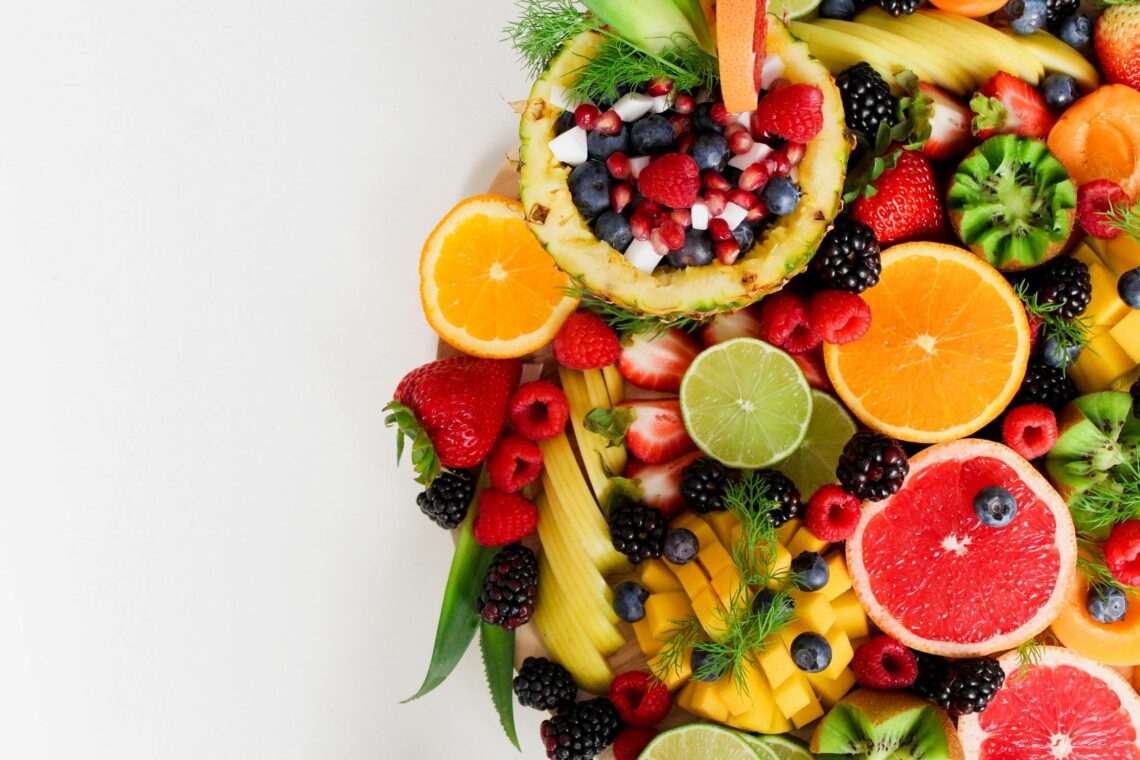
Unprocessed and minimally processed foods include items like fresh fruits, vegetables, grains, meat, and fish. These are the staples that come directly from farms or fisheries. They stay close to their natural state with little change before they make it to your plate.
This group forms the foundation of a healthy diet as recommended by food classification systems such as NOVA.
Eating these types of foods can significantly cut down on your intake of excessive free sugar and salt. It also boosts your consumption of valuable nutrients. For instance, choosing whole grain options instead of highly refined versions supports better heart health and helps manage blood pressure.
By integrating more unprocessed or minimally processed items into meals, you’re taking steps toward improving your overall nutrition without relying heavily on industrially manufactured products.
Processed culinary ingredients
The next step in the NOVA Food Classification System leads us to processed culinary ingredients. These include items like salt, sugar, oils, and fats that come from extracting or refining raw materials.
Chefs and home cooks use them to season and cook food. They add flavour, texture, or preserve other food items. Unlike more highly processed foods, these ingredients still require further preparation or cooking before consumption.
People often mix these processed culinary ingredients with fresh foods during home cooking to create nutritious meals. For example, combining olive oil with vegetables for roasting or adding a pinch of salt to enhance the taste of a tomato sauce.
This practice aligns with recommendations for a balanced diet while using products from this category sparingly can help maintain overall health.
Processed foods
This category includes items that are slightly more altered than their natural forms. Think canned vegetables, cheeses, and freshly made breads.
These foods undergo processes like cooking, fermentation or preservation to improve flavour or extend shelf life. They often have salt, sugar or oils added during preparation.
Processed foods keep a balance between convenience and nutritional value. While they’re not as whole and untouched as unprocessed foods, they aren’t heavily modified like ultra-processed products.
Examples popular in the UK include smoked meats and canned fish. The key is that these food items still retain most of their original properties but have been changed just enough to make them user-friendly for cooking at home or eating on the go without stripping away all their nutrition.
Ultra-processed foods
Ultra-processed foods are made by adding lots of ingredients you wouldn’t find in a home kitchen. These can include colorings, preservatives, sweeteners, and emulsifiers.
Think about snacks, soft drinks, instant noodles, and ready meals. They’re designed to be super tasty and have a long shelf life so they stay good for ages on store shelves.
Eating too many of these foods isn’t great for our health. Studies link them to serious problems like heart disease, obesity, and even higher chances of dying early. People who fill up on ultra-processed foods often eat more sugar and less fiber than those who stick to fresher options.
Making smarter food choices means checking labels and cutting down on these over-engineered eats to keep our bodies healthier.

The Definition and Implications of Ultra-processed Foods
Ultra-processed foods are highly manipulated food products that often contain additives and little nutritional value, with potential adverse effects on health. These foods have been linked to chronic diseases such as cardiovascular disease and obesity.
To learn more about the impact of ultra-processed foods, read further into the article.
Concept and characteristics
Ultra-processed foods have a specific set of features that make them stand out. They often contain ingredients exclusive for industrial use like stabilisers, artificial colours, and preservatives to extend shelf life or enhance flavour.
Manufacturers design these foods by combining various substances derived from foods along with additives. This process creates products that are ready-to-eat, highly palatable, and convenient but far from their original form.
These food items typically have high levels of free sugars, unhealthy fats, and salt while being low in nutrients such as fibre and vitamins. Examples include soft drinks, packaged snacks, reconstituted meat products like sausages and nuggets, instant soups, and ice cream.
Effects on human health
Ultra-processed foods have been linked to adverse effects on human health, including an increased risk of chronic diseases such as cardiovascular disease and obesity. Scientific studies have shown a strong association between the consumption of ultra-processed foods and negative health outcomes.
For example, excessive intake of these foods has been found to contribute to greater energy intake and higher levels of unhealthy diets, which can lead to weight gain and related health issues.
Furthermore, evidence suggests that the high energy density and excessive free sugar content in ultra-processed foods may also have detrimental effects on the gut microbiome. This disruption in the balance of gut bacteria is associated with an increased risk of various health conditions.
Therefore, reducing the consumption of ultra-processed foods is crucial in promoting better overall health and preventing these adverse effects.
Links to chronic diseases like cardiovascular disease and obesity
Consumption of ultra-processed foods has been linked to an increased risk of chronic diseases such as cardiovascular disease and obesity, according to numerous epidemiological studies.
The excessive intake of free sugars in these processed products is associated with greater risks of weight gain and adverse metabolic effects, contributing to the development of conditions like obesity and heart disease.
Evidence from studies supports the association between the consumption of ultra-processed foods and a higher prevalence of cardiovascular risk factors, including elevated blood pressure and cholesterol levels.
The World Health Organization has highlighted that diets high in ultra-processed foods are often low in essential nutrients while being dense in calories, thus further increasing the likelihood of developing chronic diseases.
Scientific advisory committees have emphasised the need for reducing the intake of ultra-processed foods as part of public health recommendations to mitigate against the rising burden of cardiovascular disease and obesity.

Impact and Application of the NOVA Classification System in the UK
The NOVA Food Classification System has influenced dietary recommendations and guidelines in the UK. It has also affected consumer choices and the food industry, although it is not without criticisms and limitations.
Use in dietary recommendations and guidelines
The NOVA Food Classification System is instrumental in shaping dietary recommendations and guidelines. It provides a framework for identifying ultra-processed foods, enabling health organisations to offer targeted guidance to the public.
The UK National Diet and Nutrition Survey utilises the NOVA system to assess food consumption, assisting in formulating evidence-based dietary advice that aims to curb excessive free sugar intake and reduce the consumption of ultra-processed foods.
This classification system underpins public health initiatives, leading the way towards healthier eating habits and improved overall well-being. Its influence on dietary guidelines plays a pivotal role in addressing chronic diseases such as cardiovascular disease and obesity by promoting the consumption of unprocessed and minimally processed foods.
Influence on food industry and consumer choices
The NOVA food classification system has significantly impacted the UK food industry and consumer choices. Its categorisation of foods into unprocessed, minimally processed, processed culinary ingredients, processed foods, and ultra-processed foods has led to a heightened awareness of the quality of food products available in the market.
The influence is evident in dietary recommendations and guidelines, as well as in shaping consumer preferences towards healthier options. As a result, there has been a growing demand for unprocessed or minimally processed foods while consumers are becoming more discerning about avoiding ultra-processed products.
This shift is also affecting the food industry’s production practices as manufacturers strive to offer more products that fit into the healthier categories defined by the NOVA system.
Criticisms and limitations
The NOVA Food Classification System has faced criticism and limitations in its application. Critics argue that the classification of foods into four categories oversimplifies the complexity of food processing and fails to capture the nuances of various food products.
Moreover, some nutrition experts contend that categorising foods solely based on their level of processing may overlook other important nutritional factors, such as added sugars, unhealthy fats, or artificial additives present in certain processed or ultra-processed foods.
There are concerns regarding the potential stigmatisation of certain food products and entire food groups due to their classification as ultra-processed.
It has been highlighted that while the NOVA system provides a valuable framework for understanding food processing, it should be used alongside other dietary assessment tools to obtain a more comprehensive picture of individuals’ dietary habits.
The limitations also extend to practical challenges in implementing the system within national dietary guidelines and educational materials for consumers. For instance, adapting existing nutritional recommendations to align with the NOVA classifications may require significant resources and time-consuming efforts from public health authorities in different countries.
In summary, although the NOVA Food Classification System has made substantial contributions to nutrition research and public health discourse by shedding light on the impact of processed foods on human health, it is not without its criticisms and limitations.

Conclusion
The NOVA Food Classification System provides a framework for understanding and categorising food based on the extent of processing. By recognising the four distinct categories, individuals can make more informed choices about their dietary intake.
Particularly, identifying ultra-processed foods is crucial due to their potential adverse impact on human health. In the UK, this system has influenced dietary recommendations and consumer behaviours, but criticisms have also emerged regarding its limitations.
Understanding NOVA’s significance enables us to navigate the complexities of modern nutrition and contribute to healthier food environments.
FAQs
1. What is the NOVA food classification system?
The NOVA food classification system sorts foods based on how much processing they’ve gone through. It points out ultra-processed foods and their links to health issues.
2. Why do we need to know about ultra-processed foods in the UK?
Knowing about ultra-processed foods helps us understand their health risks, such as causing weight gain and increasing mortality rates, which affects public health nutrition.
3. How does the NOVA system classify foods?
The NOVA system breaks down foods into four groups: unprocessed or minimally processed, processed culinary ingredients, processed foods, and ultra-processed food and drink products.
4. Has research supported the use of the NOVA classification in understanding diet and health?
Yes, several studies have shown a connection between high consumption of ultra-processed foods (UPF) and negative health outcomes, supporting the importance of this classification for dietary guidance.
5. Are there any tools that help identify ultra-processed foods easily?
Yes, some countries are considering using labels like the red FOPL traffic light system to make it easier for people to recognise and avoid high levels of UPFs in their diets.
Related posts:


You May Also Like

The Best UK Sustainable Coffee Brands

Why I’m Ditching Processed Foods (And You Should Too)
