
Zero Waste Birthday Cake: Recipes and Packaging-Free Options
Right, let’s talk about birthday cake. Because it’s brilliant – it’s the centerpiece of the party, everyone loves it, and it makes the birthday person feel special. But the amount of packaging and waste that comes with most birthday cakes is absolutely mad.
Shop-bought cakes come in plastic containers with plastic windows. The decorations are often plastic. Cake toppers are plastic. The candles come wrapped in plastic. Even “bakery” cakes from supermarkets come with loads of packaging.
Then I looked at what I was buying for homemade cakes: ingredients in plastic packaging, food colouring in plastic bottles, ready-made icing in plastic tubs, sprinkles in plastic containers. It all adds up to a shocking amount of waste for something we eat in about 10 minutes.
So I’ve been working on making more sustainable birthday cakes – not perfect zero waste (because I’m realistic), but dramatically less wasteful. I’ve now made several lower-waste birthday cakes, learned what works and what’s faff, and figured out how to make a cake that looks good without buying loads of plastic-wrapped stuff.
If you’re wondering how to make a zero waste birthday cake (or at least a much less wasteful one), here’s everything I’ve learned.
- Why Bother With a Zero Waste Birthday Cake?
- The Reality: What “Zero Waste” Actually Means
- Zero Waste Birthday Cake: Essential Ingredients
- Natural Food Colouring: Ditch the Plastic Bottles
- Zero Waste Birthday Cake: Simple Recipes
- Zero Waste Cake Decorations
- Zero Waste Birthday Candles
- Packaging-Free Bakery Options
- Zero Waste Cake Boxes and Presentation
- Lower-Waste Cake Icing Options
- Making Your Own Fondant (If You Must)
- Zero Waste Birthday Cake for Different Ages
- Budget: Is Zero Waste Birthday Cake More Expensive?
- Common Questions About Zero Waste Birthday Cake
- What’s Realistic for Most People
- The Bottom Line on Zero Waste Birthday Cake
- FAQs About Zero Waste Birthday Cake

Why Bother With a Zero Waste Birthday Cake?
Let me show you the waste from a standard birthday cake situation:
Shop-Bought Cake Waste:
- Plastic cake container
- Plastic cake board
- Plastic decorations
- Plastic candles and holders
- Plastic packaging on candles
- Often non-recyclable due to food contamination
- Total: Most goes to landfill
Homemade Cake Waste (Standard):
- Flour bag (paper, recyclable)
- Sugar bag (paper, recyclable)
- Butter wrappers (foil, sometimes recyclable)
- Egg box (card, recyclable)
- Baking powder container (mixed materials, often not recyclable)
- Food colouring bottles (plastic)
- Icing sugar bag (plastic)
- Sprinkles container (plastic)
- Cake decorations (plastic)
- Candles packaging (plastic)
Even homemade creates a fair bit of waste. But you can reduce it massively with some planning.
The Reality: What “Zero Waste” Actually Means
Let’s be clear: making a completely zero waste birthday cake is virtually impossible unless you’re properly committed, have access to bulk stores, and grow your own ingredients.
What IS achievable: Reducing waste by 70-90% compared to buying a shop cake or making one with standard supermarket ingredients and plastic decorations.
My approach:
- Buy ingredients with minimal packaging where possible
- Use natural food colourings
- Make decorations from edible or reusable materials
- Skip plastic cake toppers
- Use reusable or natural candles
It’s not perfect, but it’s so much better than before.
Zero Waste Birthday Cake: Essential Ingredients
First, let’s talk about getting cake ingredients with less packaging.
Flour
Best options:
- Bulk buy from wholefood shops (bring your own container)
- Paper bags from mills or farm shops
- Large paper bags from supermarkets (5kg vs multiple 1kg bags)
What I do: Buy 5kg paper bag from supermarket (90p more than 5x1kg bags, way less packaging). Store in airtight container at home.
Avoid: Tiny bags in plastic. Specialty flours in plastic unless you’ll definitely use them.
Sugar
Best options:
- Paper bags (most sugar comes in these)
- Bulk stores
- Large bags (less packaging per kg)
Sugar’s fairly easy – most comes in paper bags anyway. Buy the biggest bag you’ll use.
Butter
Best options:
- Wrapped in paper/foil (fully recyclable if foil)
- Buy block butter, not spreadable (less plastic)
- Some brands use paper wrappers
What I do: Buy unsalted block butter in foil wrapper. Foil can be recycled (check your council).
Avoid: Butter in plastic tubs (margarine, spreadable butter). More packaging, less recyclable.
Eggs
Best options:
- Cardboard egg boxes (recyclable or compostable)
- Buy from farm shops or farmers’ markets (often no packaging)
- Get from someone with chickens (free, zero packaging)
Avoid: Plastic egg boxes. Why do these even exist?
My local farm shop sells eggs in cardboard boxes for same price as supermarket. Easy swap.
Baking Powder
Best options:
- Buy in larger tins (less packaging per use)
- Some wholefood shops sell loose
Reality check: Baking powder usually comes in mixed-material containers that can’t be recycled. Buy the largest size you’ll use and it lasts ages.
Vanilla Extract
Best options:
- Glass bottle (recyclable)
- Make your own (vanilla pods in vodka, zero waste)
Avoid: Plastic bottles of vanilla essence (also tastes worse)
Cocoa Powder (for chocolate cake)
Best options:
- Paper bags or cardboard boxes
- Bulk stores
- Avoid plastic-lined packaging if possible
Most cocoa comes in cardboard, which is good. Buy larger sizes.
Natural Food Colouring: Ditch the Plastic Bottles
Synthetic food colouring usually comes in plastic bottles and contains questionable ingredients. Natural alternatives exist.
Natural Food Colourings You Can Make:
Red/Pink:
- Beetroot juice (boil and strain)
- Raspberry or strawberry puree
- Pomegranate juice
Yellow:
- Turmeric (small amount, or it tastes weird)
- Saffron (expensive but zero waste)
Green:
- Spinach juice (blitz and strain)
- Matcha powder
Purple:
- Blueberry juice
- Purple cabbage juice (changes with pH – add lemon for pink, bicarbonate for blue)
Brown:
- Cocoa powder
- Coffee
Blue:
- Purple cabbage juice with bicarbonate of soda (light blue)
- Butterfly pea flower (zero waste if bought loose)
Natural Food Colouring You Can Buy:
Available in UK:
- Sous Chef (natural food colours in glass jars)
- Rainbow Dust (some natural options)
- Local wholefood shops (sometimes stock natural colours)
What to look for:
- Glass containers
- Plant-based ingredients
- Minimal packaging
Reality check: Natural colours are less vibrant than synthetic. They work well for pastels and muted tones, less so for neon colours. Kids usually don’t care as much as you think.
Zero Waste Birthday Cake: Simple Recipes
Here are my go-to cake recipes using basic ingredients with minimal packaging.
Basic Victoria Sponge (Serves 8-10)
This is my absolute staple. Works every time, everyone likes it, very forgiving.
Ingredients:
- 225g butter (softened)
- 225g caster sugar
- 4 eggs
- 225g self-raising flour
- 1 tsp vanilla extract
- 2-3 tbsp milk
Method:
- Heat oven to 180°C
- Cream butter and sugar until fluffy
- Beat in eggs one at a time
- Fold in flour
- Add vanilla and milk (consistency should drop off spoon)
- Divide between 2 greased 20cm cake tins
- Bake 20-25 mins until golden and springy
- Cool on wire rack
Fill with:
- Homemade buttercream (butter + icing sugar + vanilla)
- Jam (glass jar, recyclable)
- Fresh fruit
Packaging waste: Minimal – just ingredient packaging, most recyclable.
Chocolate Cake (Serves 8-10)
When Victoria sponge feels too plain.
Ingredients:
- 200g self-raising flour
- 50g cocoa powder
- 200g caster sugar
- 200g butter (softened)
- 4 eggs
- 2 tsp baking powder
- 2 tbsp milk
Method:
- Heat oven to 180°C
- Mix flour, cocoa, baking powder
- Cream butter and sugar
- Add eggs one at a time
- Fold in flour mixture
- Add milk
- Divide between 2 greased 20cm tins
- Bake 25-30 mins
- Cool completely
Frosting options:
- Chocolate buttercream (butter, icing sugar, cocoa)
- Chocolate ganache (dark chocolate + double cream)

One-Bowl Banana Cake (Easiest Option)
Perfect for using up overripe bananas. Less washing up.
Ingredients:
- 3 ripe bananas (mashed)
- 75g butter (melted)
- 150g caster sugar
- 2 eggs
- 225g self-raising flour
- 1 tsp vanilla extract
Method:
- Heat oven to 180°C
- Mash bananas in bowl
- Stir in melted butter, sugar, eggs, vanilla
- Fold in flour
- Pour into greased 20cm tin
- Bake 45-50 mins
- Cool completely
Top with:
- Cream cheese frosting (cream cheese + butter + icing sugar)
- Plain icing (icing sugar + water)
- Nothing (it’s nice plain)
Vegan Chocolate Cake
If you need dairy-free or vegan.
Ingredients:
- 300g self-raising flour
- 75g cocoa powder
- 225g caster sugar
- 90ml vegetable oil
- 375ml plant milk (oat, soy, almond)
- 1 tbsp apple cider vinegar
- 1 tsp vanilla extract
Method:
- Heat oven to 180°C
- Mix flour, cocoa, sugar
- Mix oil, milk, vinegar, vanilla
- Combine wet and dry ingredients
- Pour into greased tin
- Bake 35-40 mins
- Cool completely
Zero Waste Cake Decorations
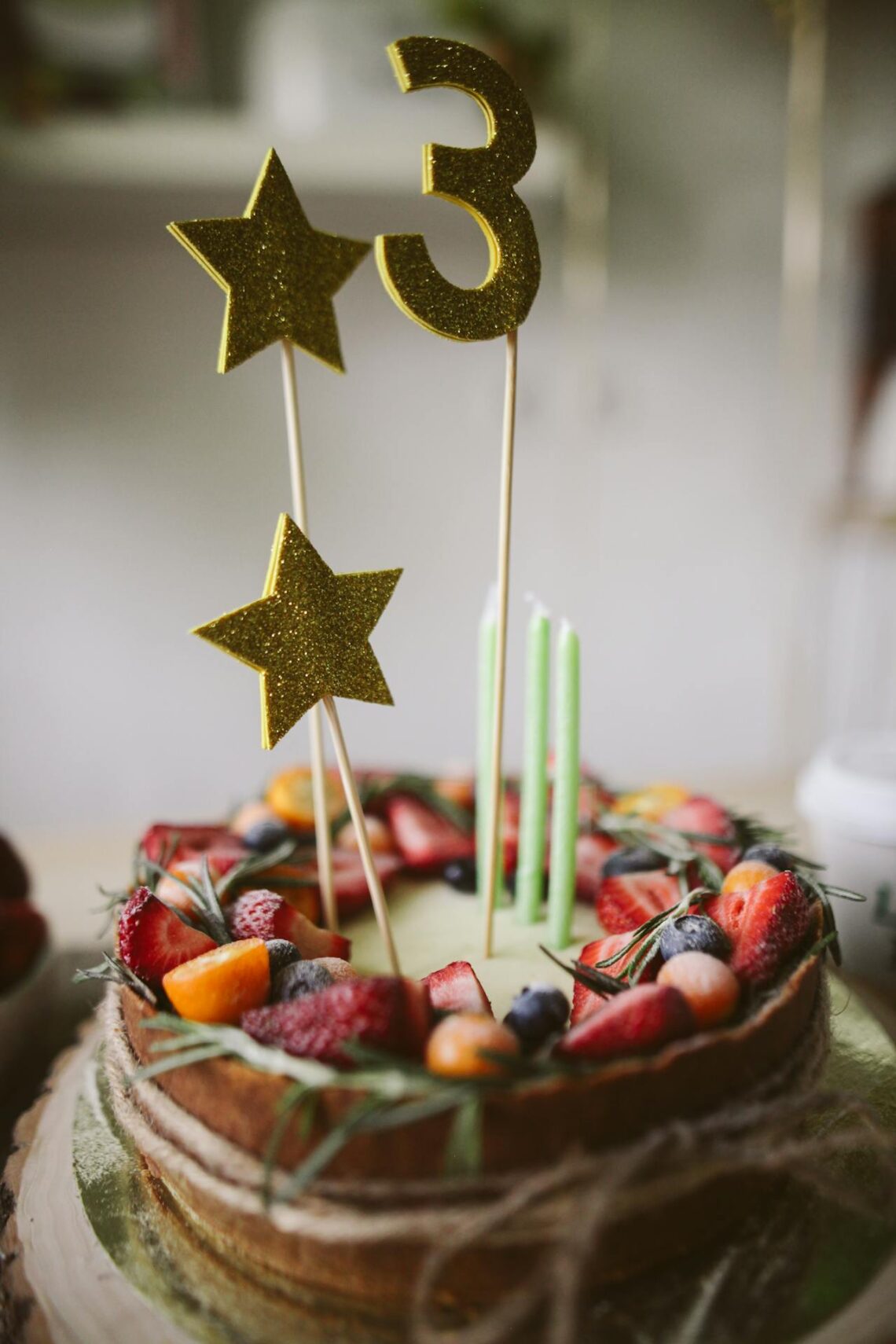
This is where you can really reduce waste. Skip all plastic decorations and make your cake look good with edible or reusable items.
Edible Decorations (Zero Waste)
Fresh fruit:
- Strawberries, raspberries, blueberries
- Sliced oranges or lemons
- Edible flowers (ensure they’re actually edible – not all flowers are)
Chocolate decorations:
- Grated chocolate
- Chocolate shavings (use vegetable peeler on chocolate bar)
- Melted chocolate drizzle
- Chocolate chips
Nuts and seeds:
- Chopped nuts
- Whole almonds or hazelnuts
- Pumpkin or sunflower seeds
Natural sprinkles:
- Desiccated coconut
- Crushed freeze-dried fruit (expensive but zero waste)
- Crushed nuts
- Cocoa nibs
Icing decorations:
- Piped buttercream patterns
- Royal icing shapes (flour, egg white, icing sugar)
- Fondant shapes (if you must – recipe below)
We did a chocolate cake with fresh strawberries and grated chocolate last year. Looked gorgeous, tasted brilliant, zero waste.
Natural Sprinkles: DIY
If you want something closer to traditional sprinkles:
Freeze-dried fruit “sprinkles”:
- Buy freeze-dried strawberries or raspberries (often in paper packaging)
- Crush into small pieces
- Looks like pink/red sprinkles
- Tastes nice
Toasted coconut “sprinkles”:
- Toast desiccated coconut in oven until golden
- Use as sprinkles
- Add food colouring if wanted
Reality check: They’re not as bright as plastic-packaged hundreds and thousands. But they’re edible, natural, and create zero waste.
Reusable Cake Decorations
Buy once, use forever:
- Wooden cake toppers (paint and reuse)
- Metal number candles (better than wax)
- Fabric bunting (mini version for cake)
- Fresh flowers (compost after)
- Small toys child already owns (wash and use)
I bought wooden star shapes from craft shop, painted them, and use them on every cake now. Cost £3, used them 5+ times.
Skip the Cake Topper Entirely
Alternative decorations:
- Write on cake with icing
- Arrange fruit in patterns
- Dust with icing sugar through a stencil
- Keep it simple
Honestly, kids don’t care about toppers as much as we think. They want cake. And candles to blow out.
Zero Waste Birthday Candles
Standard birthday candles come wrapped in plastic and are made from paraffin (petroleum product).
Better Options:
Beeswax candles:
- Natural material
- Often less packaging
- Burns cleaner
- Slightly more expensive
Soy wax candles:
- Plant-based
- Often available loose or in paper
- Good alternative to beeswax
Reusable number candles:
- Metal or wood numbers
- Light a tea light behind them
- Use year after year
- Initial investment but lasts decades
Skip candles altogether:
- Controversial, but the singing is the main event
- Some kids don’t like blowing candles anyway
Where to buy:
- Beeswax candles: health food shops, farmers’ markets, Etsy
- Number candles: IKEA, Not on the High Street, Amazon
I bought metal number candles (£8 for 0-9). My son’s used them for three birthdays now. They live in the party decoration box.
Packaging-Free Bakery Options
If you’re buying rather than making, here’s how to reduce packaging:
Local Bakery
Ask for:
- Cake in your own container (bring a cake box or tin)
- No plastic decorations
- Minimal packaging
- Paper cake board instead of plastic
What to say: “I’m trying to reduce packaging – could I bring my own container?” Most bakeries are fine with this.
Some won’t do it (health and safety concerns), but many independent bakers will.
Supermarket Bakery
Better options:
- In-store bakery (sometimes less packaging than pre-packaged)
- Ask if they can put it in your container (some will, some won’t)
- Choose cakes with cardboard boxes rather than plastic
Reality check: Supermarket cakes usually come with loads of packaging. If possible, use a local bakery instead.
Communicate Your Needs
When ordering:
- “Please use minimal packaging”
- “No plastic decorations”
- “I’ll bring my own container if that’s okay”
- “Paper-based packaging only please”
Most small businesses want your custom and will accommodate reasonable requests.
Zero Waste Cake Boxes and Presentation
Transporting and Storing Cake
Instead of disposable cake boxes:
Reusable options:
- Large metal cake tin with lid (use for baking and transport)
- Proper cake carrier (plastic but reusable for years)
- Large plate with upturned mixing bowl over it (makeshift cake dome)
- Borrow a cake box from someone
I bought a cake tin with lid (£15) that I use for baking and transporting. Washes in dishwasher, lasts forever.
Cake boards:
- Cardboard cake boards (recyclable after use)
- Wooden board (wash and reuse)
- Large plate (wash and reuse)
Presenting the Cake
Zero waste options:
- Serve on reusable cake stand
- Use regular plate (doesn’t need to be fancy)
- Wooden board
- Bring out on baking tin (rustic look)
Avoid:
- Foil-covered disposable boards
- Plastic cake stands
- Excessive decoration that’ll be binned
Lower-Waste Cake Icing Options
Icing often comes in plastic tubs or requires ingredients in plastic packaging. Here’s how to reduce waste:
Buttercream Icing (Easiest)
Ingredients:
- 140g butter (softened)
- 280g icing sugar
- 1-2 tbsp milk
- Vanilla extract
Method:
- Beat butter until soft
- Gradually add icing sugar
- Add milk and vanilla
- Beat until fluffy
Variations:
- Chocolate: add 2 tbsp cocoa powder
- Coffee: add 1 tsp instant coffee dissolved in milk
- Lemon: add lemon juice instead of milk
Packaging: Butter (foil – recyclable), icing sugar (usually paper), milk (glass or plastic bottle – recyclable).
Cream Cheese Frosting
Ingredients:
- 100g butter (softened)
- 300g cream cheese (full fat)
- 400g icing sugar
- Vanilla extract
Method:
- Beat butter and cream cheese
- Gradually add icing sugar
- Add vanilla
- Beat until smooth
Good on carrot cake, banana cake, red velvet.
Packaging: Cream cheese often comes in plastic tubs (not ideal but reusable).
Chocolate Ganache
Ingredients:
- 200g dark chocolate (70% cocoa)
- 200ml double cream
Method:
- Break chocolate into bowl
- Heat cream until nearly boiling
- Pour over chocolate
- Stir until smooth
- Let cool and thicken
Packaging: Chocolate (paper/foil – recyclable), cream (often plastic pot or carton).
Simple Icing (Minimal Ingredients)
Ingredients:
- 200g icing sugar
- 2-3 tbsp water or lemon juice
Method:
- Mix until smooth
- Drizzle over cake
Not fancy but works. Minimal waste.
Naked Cake (No Icing)
Controversial but:
- Zero waste from icing
- Shows off the cake layers
- Dust with icing sugar
- Top with fresh fruit
- Actually trendy
Some kids are horrified (mine demanded icing). But for adults or less fussy kids, it’s an option.
Making Your Own Fondant (If You Must)
Fondant usually comes in plastic-wrapped blocks. If you want fondant decorations, make your own.
DIY Marshmallow Fondant
Ingredients:
- 200g marshmallows
- 2 tbsp water
- 500g icing sugar
- Food colouring (natural)
Method:
- Melt marshmallows with water in microwave
- Stir in icing sugar gradually
- Knead until smooth
- Add colouring
- Roll out and use
Packaging: Marshmallows (usually plastic bag – not ideal), icing sugar (paper).
Reality check: This is faff. Only do it if you really want fondant decorations. Buttercream is easier.
Zero Waste Birthday Cake for Different Ages
First Birthday Cake
Considerations:
- Baby often doesn’t eat much
- More for photos than eating
- Simpler is fine
Options:
- Small simple sponge cake
- Banana cake (naturally sweet, no added sugar needed)
- “Smash cake” (individual small cake for baby)
Decorations:
- Fresh fruit
- No need for elaborate decorations
- Natural food colouring if wanted
Toddler Birthday Cake (2-4 years)
Considerations:
- Bright colours are exciting
- Simple flavours (chocolate or vanilla)
- Not too much icing (gets messy)
Options:
- Victoria sponge with buttercream
- Chocolate cake with ganache
- Decorated with fresh fruit or natural sprinkles
Decorations:
- Wooden cake toppers
- Fresh strawberries
- Natural food colouring for icing
Older Kids (5-10 years)
Considerations:
- Might want specific themes
- Can help make and decorate
- More sophisticated tastes
Options:
- Same recipes but decorated for theme
- Get child involved in decorating
- Use natural decorations in theme colours
Teen Birthdays
Considerations:
- Often prefer simpler, more sophisticated cakes
- Smaller gatherings
- Quality over quantity
Options:
- Naked cake with fresh fruit
- Drip cake (ganache dripping down sides)
- Simple buttercream with elegant decorations
Adult Birthdays
Considerations:
- Less need for bright colours
- Appreciate quality
- Smaller portions
Options:
- Coffee and walnut cake
- Lemon drizzle cake
- Rich chocolate cake
- Fruit-topped cakes
Budget: Is Zero Waste Birthday Cake More Expensive?
Honest answer: Depends.
Homemade vs Shop-Bought:
Shop-bought cake:
- £10-25 depending on size and where from
- Plus decorations, candles
- Total: £15-30
Homemade basic cake:
- Ingredients: £3-6
- Decorations (fresh fruit): £2-3
- Reusable decorations: £0 (already bought)
- Total: £5-9
Homemade fancy cake:
- Ingredients: £5-8
- Natural food colouring: £3-5 (if buying)
- Decorations: £3-5
- Total: £11-18
First Time Setup:
One-time purchases:
- Cake tins: £5-10
- Wooden toppers: £3-8
- Number candles: £8
- Natural food colours: £10-15 (if wanted)
- Total: £26-41
After that, each cake is just ingredients cost.
Over time: Making your own zero waste birthday cakes is cheaper. First year might be similar cost to buying, but subsequent years are much cheaper.
Common Questions About Zero Waste Birthday Cake
“But I’m rubbish at baking!”
The Victoria sponge recipe above is genuinely foolproof. If you can use a wooden spoon and follow instructions, you can make it.
Start with a simple cake. Don’t attempt anything elaborate first time.
“I don’t have time!”
Fair. But basic cake takes 30 mins prep, 25 mins baking, 30 mins decorating. That’s 1.5 hours total, spread across two days if needed.
Alternatively, use a local bakery and bring your own container. Still reduces packaging even if not homemade.
“My child wants a specific character cake!”
You can’t buy zero waste Paw Patrol cake toppers. But:
- Print image on paper (recycle after)
- Make simple shapes in theme colours
- Use toys they already own
- Get child involved in making theme-appropriate decorations
My son wanted dinosaurs. We made dinosaur shapes from painted cardboard. He was delighted.
“What about allergies?”
All recipes can be adapted:
- Egg-free: use apple sauce or banana
- Dairy-free: use plant-based butter and milk
- Gluten-free: use GF flour blend
- Nut-free: avoid nut decorations
“I want it to look professional!”
Practice helps, but honestly:
- Kids don’t care if icing is perfect
- “Rustic” is trendy
- Simple decorations often look elegant
- The birthday person will love it because you made it
What’s Realistic for Most People
Zero waste birthday cake doesn’t mean:
- Growing your own wheat
- Making everything from scratch including food colouring
- Perfection
It does mean:
- Choosing ingredients with less packaging where possible
- Making cake from scratch (basic recipes are easy)
- Using natural or reusable decorations instead of plastic
- Skipping unnecessary packaging
My approach:
- Make cake from scratch (basic recipes)
- Buy ingredients in largest/least packaged options available
- Use fresh fruit for decoration mostly
- Reusable wooden toppers
- Metal number candles
- Natural food colouring if I can be bothered, otherwise just skip colours
Result: Probably 80-90% less waste than buying shop cake with plastic decorations. Not perfect, but dramatically better.
The Bottom Line on Zero Waste Birthday Cake
Making a birthday cake that creates less waste isn’t as hard as it sounds.
Start simple:
- Basic cake recipe (Victoria sponge or chocolate)
- Simple buttercream icing
- Fresh fruit decorations
- Reusable candles
That alone cuts waste by 70-80% compared to shop-bought.
Over time, add:
- Natural food colouring
- Bulk-bought ingredients
- More elaborate decorations from natural materials
- Better storage and transport solutions
The reality: You won’t eliminate all waste unless you’re extremely committed. But you can massively reduce it with minimal extra effort.
Your birthday cake will taste better (homemade always does), look good (simple can be elegant), cost less (after initial setup), and create way less rubbish.
Plus, making a cake for someone is genuinely more meaningful than buying one. Even if it’s slightly wonky.
And honestly? The wonky homemade cakes are the ones everyone remembers fondly. Not the perfect shop-bought ones.
FAQs About Zero Waste Birthday Cake
How do you make a zero waste birthday cake?
Make birthday cake from scratch using basic ingredients (flour, sugar, butter, eggs) bought in bulk or minimal packaging. Decorate with fresh fruit, grated chocolate, or natural decorations instead of plastic cake toppers. Use reusable metal number candles or beeswax candles instead of plastic-wrapped ones. Transport in reusable cake tin with lid. Skip plastic decorations entirely. A basic Victoria sponge with buttercream icing and fresh strawberries creates minimal waste and looks lovely. Buy largest ingredient packs to reduce packaging waste.
What are good natural cake decorations?
Fresh fruit (strawberries, raspberries, blueberries), edible flowers (ensure they’re actually edible), grated chocolate or chocolate shavings, chopped nuts, desiccated coconut, piped buttercream patterns, and chocolate drizzle are all natural zero waste cake decorations. For more colour, use natural food colouring in icing. Reusable options include wooden cake toppers (paint and reuse), metal number candles, small fabric bunting, or fresh flowers. Avoid plastic cake toppers, plastic-packaged sprinkles, and non-edible decorations.
Where can I buy ingredients with less packaging?
Buy flour, sugar, and dry ingredients in large paper bags (5kg vs 1kg reduces packaging waste), visit wholefood shops with bulk bins where you bring your own containers, shop at farmers’ markets for eggs and dairy with minimal packaging, and choose butter in foil wrappers (recyclable) instead of plastic tubs. Buy cocoa powder and baking supplies in cardboard boxes. Some zero waste shops and refill stores let you bring containers. Larger packs always mean less packaging per unit.
Is homemade cake cheaper than shop-bought?
Yes, long-term. Shop-bought cakes cost £10-25 plus decorations. Homemade cake ingredients cost £3-6, decorations £2-3 if using fresh fruit. Initial setup costs £26-41 for reusable items (cake tins, decorations, candles) but these last years. After first cake, you’re spending £5-9 per cake versus £15-30 for shop-bought. Over time this saves significant money while creating much less waste. Basic Victoria sponge is cheapest and easiest option.
What are natural food colouring alternatives?
Natural food colourings include beetroot juice (pink/red), turmeric (yellow), spinach juice (green), blueberry juice (purple), cocoa powder (brown), and coffee (brown). Purple cabbage juice with bicarbonate of soda makes blue. These create softer, more muted colours than synthetic dyes. Buy natural food colouring in glass jars from Sous Chef or health food shops. Reality check: natural colours aren’t as vibrant as artificial ones but work well for pastels. Most kids don’t care about neon colours as much as we think.
Can you make fondant without buying it in plastic?
Yes, make marshmallow fondant at home using 200g marshmallows, 2 tbsp water, and 500g icing sugar. Melt marshmallows with water, stir in icing sugar, knead until smooth, add natural colouring if wanted. This creates fondant for decorations without plastic packaging. However, marshmallows usually come in plastic bags (not ideal). Reality check: fondant is faff – buttercream is easier and creates less waste. Only make fondant if you really want it for specific decorations.
What are alternatives to plastic birthday candles?
Buy beeswax or soy wax candles (natural materials, often less packaging), invest in reusable metal or wooden number candles with tea lights (£8, last decades), use plain taper candles from church suppliers (usually paper-wrapped), or skip candles entirely (controversial but the singing is the main event). Standard birthday candles are plastic-wrapped paraffin wax (petroleum product). Beeswax candles from health food shops, farmers’ markets, or Etsy come with minimal packaging and burn cleaner.
How do I transport a homemade cake without disposable packaging?
Use a large metal cake tin with lid (serves as baking and transport container), buy a reusable cake carrier (plastic but lasts years), place cake on large plate with upturned mixing bowl covering it, or borrow a cake box from someone. Transport on flat surface in car boot. For cake board, use cardboard (recyclable after), wooden board (wash and reuse), or regular plate. Avoid foil-covered disposable boards and plastic cake containers. A proper cake tin with lid costs £15 and lasts indefinitely.
Can I get packaging-free cake from a bakery?
Sometimes. Ask local independent bakeries if you can bring your own container – many will accommodate this. Request no plastic decorations, minimal packaging, and paper cake board instead of plastic. Some bakeries have health and safety concerns about customer containers, but many small businesses will work with you. Supermarket bakeries are less flexible. Always ask politely: “I’m trying to reduce packaging – could I bring my own container?” Most bakers appreciate customers who care about waste.
What’s the easiest zero waste birthday cake for beginners?
Victoria sponge is the easiest zero waste birthday cake. Mix 225g each of butter, sugar, and self-raising flour with 4 eggs and vanilla. Bake in two tins at 180°C for 20-25 minutes. Fill with jam and buttercream. Decorate with fresh strawberries or dust with icing sugar. Ingredients come in mostly recyclable packaging, recipe is foolproof, and fresh fruit decorations create zero waste. No fancy decorations needed – simple looks elegant. Total time: 30 mins prep, 25 mins baking, 30 mins decorating.
Related posts:


You May Also Like

Mindfulness Activities For Toddlers

Evolve Organic Beauty Review
