

How to Care for a Venus Fly Trap (And Keep It Alive)
Right, I bought a Venus fly trap. Seemed like a good idea at the time – cool plant, eats bugs, what’s not to love? Then it arrived in the post looking absolutely knackered. Half-dead, droopy, sad little thing that I immediately regretted buying.
Turns out, learning how to care for a Venus fly trap is crucial because these plants are properly finicky. They’re not like a regular houseplant where you can just stick them on a windowsill and water them occasionally. Get one thing wrong and they die. Fast.
I’ve spent the last few months researching how to maintain a Venus fly trap and trying to resurrect mine (with mixed success, I’ll be honest). So if you’ve got one of these carnivorous little buggers and you’re wondering how to keep Venus fly trap alive, here’s everything I’ve learned.
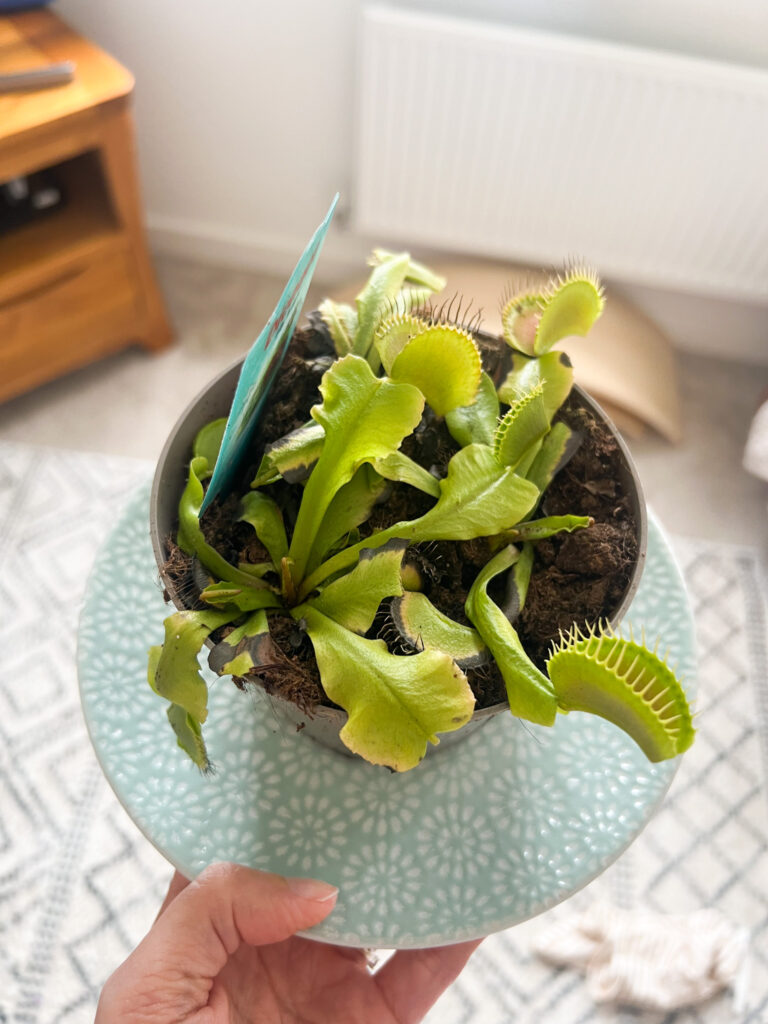
- What Actually Is a Venus Fly Trap?
- How to Keep Venus Fly Trap Alive: The Basics
- How to Care for a Venus Fly Trap: Feeding
- How to Maintain a Venus Fly Trap: Seasonal Care
- Repotting: How to Care for a Venus Fly Trap as It Grows
- Common Problems: How to Keep Venus Fly Trap Alive When Things Go Wrong
- Propagating: How to Maintain a Venus Fly Trap Collection
- Where to Buy Venus Fly Traps
- The Reality of How to Maintain a Venus Fly Trap
- The Bottom Line on How to Care for a Venus Fly Trap
- FAQs About How to Care for a Venus Fly Trap
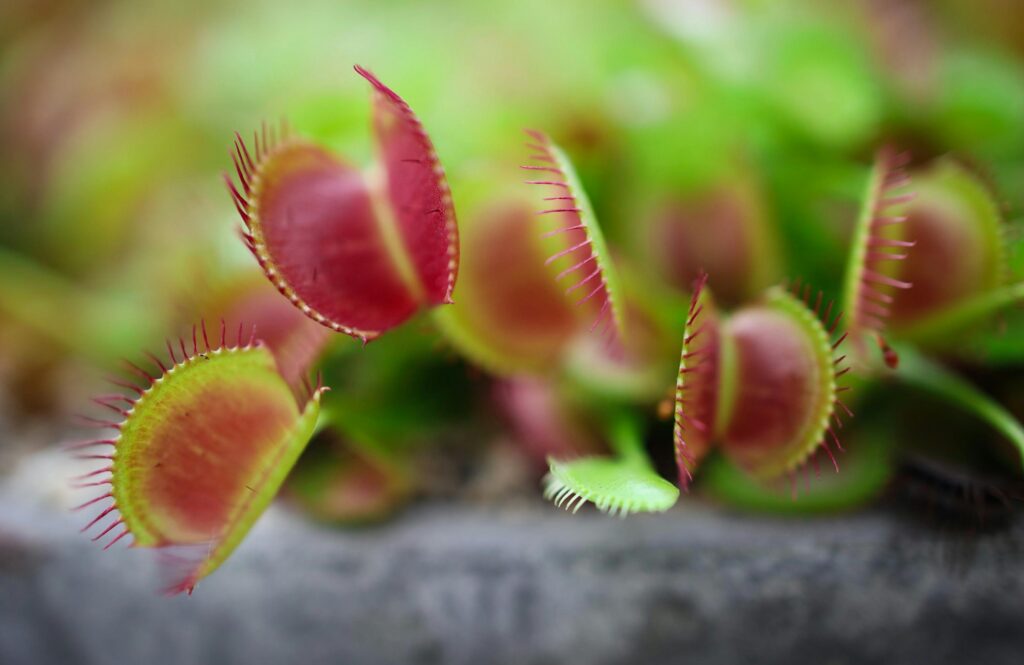
What Actually Is a Venus Fly Trap?
Before we get into how to care for a Venus fly trap, let’s talk about what you’re dealing with.
Scientific name: Dionaea muscipula
Origin: Wetlands of North and South Carolina, USA
Type: Carnivorous plant
Why it eats bugs: Grows in nutrient-poor soil, gets nutrients from insects instead
Charles Darwin called it “one of the most wonderful plants in the world,” which is quite the endorsement. But he wasn’t the one trying to keep it alive in a flat in London.
Why Venus Fly Traps Are Different
Normal plants get nutrients from soil. Venus fly traps evolved in bogs with rubbish soil, so they developed the ability to catch and digest insects for nitrogen and other nutrients.
This means:
- They need completely different care than normal houseplants
- Standard potting soil will kill them (too rich in nutrients)
- They need pure water (tap water minerals are toxic to them)
- They’re adapted to bright sun and high humidity
- They need a winter dormancy period (they’re not tropical)
Understanding this is key to knowing how to maintain a Venus fly trap. You can’t treat it like a regular plant.
How to Keep Venus Fly Trap Alive: The Basics
Let me start with the fundamentals of how to care for a Venus fly trap, because if you get these wrong, nothing else matters.
1. Water: The Most Important Thing
Use ONLY:
- Rainwater
- Distilled water
- Reverse osmosis water
Never use:
- Tap water (minerals will kill it)
- Bottled mineral water
- Filtered tap water (unless it’s reverse osmosis)
The minerals in tap water build up in the soil and are toxic to Venus fly traps. This is the number one killer of these plants. If you only remember one thing about how to maintain a Venus fly trap, remember this.
How to water: Use the tray method – sit the pot in a shallow tray of water (about 1-2cm deep). The soil should stay consistently moist during the growing season. Never let it dry out completely, but don’t let it sit in deep water either.
In winter (dormancy), reduce watering so the soil is just damp, not wet.
2. Soil: Completely Different From Normal Plants
Correct soil mix:
- 50% sphagnum peat moss
- 50% perlite or horticultural sand
Never use:
- Regular potting soil (will kill it)
- Compost
- Fertilised soil
- Anything with added nutrients
Venus fly traps are adapted to nutrient-poor bog soil. Rich soil is toxic to them. You can buy carnivorous plant soil mix online, or make your own with the ratio above.
I made the mistake of trying to “help” mine by adding some compost. Nearly killed it. Don’t be like me.
3. Light: As Much as Possible
Venus fly traps need loads of light. They’re not houseplants that tolerate shade – they want full sun.
Ideal:
- 12+ hours of bright direct sunlight daily
- South-facing windowsill (in Northern Hemisphere)
- Or grow lights if you don’t have bright windows
Signs of not enough light:
- Traps stay green instead of turning red
- Long, spindly growth (etiolated)
- Weak, floppy traps
- Plant generally looks rubbish
My flat doesn’t get loads of sun, which is a problem. I’ve had to supplement with a grow light, which works but is another faff.
4. Temperature and Humidity
Growing season (spring-autumn):
- Temperature: 20-30°C is ideal
- Humidity: High (they’re from wetlands)
- Outdoors is actually better than indoors if you can manage it
Winter dormancy (winter):
- Temperature: 0-10°C
- Duration: 3-4 months
- Critical for long-term survival
The dormancy thing is crucial for understanding how to keep Venus fly trap alive long-term. They NEED winter dormancy. Without it, they’ll weaken and die within a couple of years.
How to Care for a Venus Fly Trap: Feeding
This is the fun bit, but also where people mess up.
Do Venus Fly Traps Need Feeding?
If your plant is outdoors or near an open window, it’ll catch its own food. Flies, spiders, whatever wanders into the trap.
If it’s indoors with no access to bugs, you can feed it occasionally. But here’s the thing: Venus fly traps don’t need frequent feeding.
They can survive months without eating insects. The insects are a supplement, not a main food source. They still photosynthesise for energy like normal plants.
How to Feed a Venus Fly Trap
What to feed:
- Small live insects (flies, spiders, ants)
- Size: no bigger than 1/3 the size of the trap
- Insects must be alive (movement triggers the trap)
How often:
- Every 2-4 weeks per trap is plenty
- Don’t feed every trap
- Don’t feed if the plant looks weak or stressed
How to do it:
- Use tweezers to place a live insect on the trap
- Trigger the tiny hairs inside the trap (the insect does this naturally)
- The trap needs to be touched twice within 20 seconds to close
- It’ll stay closed for 5-12 days while digesting
What NOT to do:
- Don’t feed it meat, cheese, or human food (will rot and kill the trap)
- Don’t feed insects with hard exoskeletons that are too big
- Don’t make the traps close for fun (wastes energy)
- Don’t overfeed (exhausts the plant)
Can You Use Fertiliser Instead?
No. Standard plant fertiliser will kill it. Some people use very diluted solutions or specialised carnivorous plant food, but honestly, it’s not worth the risk.
If your Venus fly trap is healthy, it’ll catch its own food or survive fine without feeding. Stick to the basics of light and water.

How to Maintain a Venus Fly Trap: Seasonal Care
Care changes depending on the season. Understanding this is crucial for how to keep Venus fly trap alive long-term.
Spring and Summer (Growing Season)
What to do:
- Bright sun (12+ hours daily)
- Keep soil consistently moist using tray method
- Let it catch its own food or feed occasionally
- Expect new traps to grow
- Traps should turn red in strong light
What it looks like:
- Healthy, vibrant growth
- Red colouration in traps
- Active, responsive traps
This is when your plant should look its best. If it looks rubbish during growing season, something’s wrong with your care (usually water or light).
Autumn (Transition)
What to do:
- Light and water as normal
- Plant starts preparing for dormancy
- Growth slows down
- Some traps may die back (normal)
Winter (Dormancy Period)
This is critical. Venus fly traps are NOT tropical plants. They’re from North Carolina, where it gets cold. They NEED a dormancy period.
What happens:
- Plant stops growing
- Most traps die back
- Looks like it’s dying (it’s not, it’s resting)
- Lasts 3-4 months
How to care during dormancy:
- Temperature: 0-10°C (fridge, unheated greenhouse, cold garage)
- Light: Still needs some light, but less than growing season
- Water: Keep soil damp but not wet (reduce watering frequency)
- Don’t feed at all
- Don’t worry if it looks dead (it’s dormant)
Where to put it:
- Unheated garage or shed with a window
- Cold greenhouse
- Even a fridge (in a sealed bag with damp soil) if desperate
I nearly killed mine the first winter by keeping it warm indoors. Without dormancy, the plant exhausts itself and weakens. This is essential for how to maintain a Venus fly trap long-term.

Repotting: How to Care for a Venus Fly Trap as It Grows
Venus fly traps need repotting every 1-2 years as they grow.
When to repot:
- Early spring, just before growing season
- When roots are growing out of drainage holes
- When soil looks old and broken down
- After you first buy it (shop soil is often rubbish)
How to repot:
- Choose a pot: Plastic (not terracotta which can leach minerals), with drainage holes
- Prepare soil: 50/50 peat moss and perlite mix
- Remove plant gently: Try not to damage roots
- Check roots: Trim any black or mushy roots (root rot)
- Repot: Place in new pot with fresh soil
- Water thoroughly: With rainwater or distilled water
- Don’t feed: for a few weeks while it settles
I repotted mine when I first got it because it was in terrible soil. Made a massive difference to its health.
Common Problems: How to Keep Venus Fly Trap Alive When Things Go Wrong
Even when you know how to care for a Venus fly trap properly, problems happen.
Traps Turning Black
Cause: Usually normal – traps only last a few months before dying Solution: Trim dead traps with clean scissors. New ones will grow.
Or it could be:
- Trap was triggered too many times (wasted energy)
- Wrong water (tap water)
- Fed something too large or inappropriate
Plant Looks Weak and Sad
Cause: Not enough light (most common) Solution: Move to brighter location or add grow light
Or it could be:
- Wrong water (check you’re using rainwater/distilled)
- Too hot or too cold
- Needs dormancy period
No Red Colouration
Cause: Not enough light Solution: More sun. Red develops in bright light. Green in shade.
Mould on Soil
Cause: Too wet, not enough air circulation Solution: Reduce water slightly, ensure good airflow, remove dead plant material
Traps Won’t Close
Cause: They only close 4-5 times before dying naturally Solution: Stop triggering them for fun. Let them rest.
Or it could be:
- Plant is too weak or stressed
- Need to be touched twice within 20 seconds to trigger
- Trap is old and dying (normal)
Root Rot
Cause: Sitting in too much water, poor drainage, wrong soil Solution: Repot in fresh soil, ensure drainage, reduce watering
This nearly killed mine. Black, mushy roots. Had to trim them all off and repot. It recovered but took ages.
Propagating: How to Maintain a Venus Fly Trap Collection
Once you’ve mastered how to care for a Venus fly trap, you might want more.
Methods:
Division (easiest):
- During repotting, gently separate plants at roots
- Each division needs roots attached
- Replant separately
Leaf cuttings:
- Remove healthy leaf with part of rhizome (root structure)
- Plant in carnivorous plant soil
- Keep moist, wait for new plant to grow
- Takes months
Seeds:
- If your plant flowers (you should cut flowers off as they weaken the plant)
- Collect seeds after flowering
- Sow in carnivorous plant soil
- Takes years to reach maturity
Flower stalk cuttings:
- Cut flower stalk before it blooms
- Lay horizontally on damp soil
- Keep warm and moist
I’ve only tried division so far. Worked fine. Seeds seem like too much faff for my current skill level.

Where to Buy Venus Fly Traps
Don’t buy from garden centres. Seriously. They’re usually in terrible condition, wrong soil, and overpriced.
Better options:
- Specialist carnivorous plant nurseries online
- Carnivorous plant societies
- Plant fairs and shows
- Reputable online sellers
Make sure you’re getting Dionaea muscipula, not fake venus fly traps (yes, those exist).
The Reality of How to Maintain a Venus Fly Trap
Let me be honest: Venus fly traps are faff. They’re not easy houseplants.
They need:
- Specific water (rainwater or distilled)
- Specific soil (nutrient-poor mix)
- Loads of light (more than most homes provide)
- Winter dormancy (cold temperatures)
- High humidity
- Careful feeding (if indoors)
They don’t tolerate:
- Tap water
- Normal potting soil
- Shade
- Warm winters
- Neglect
If you want a low-maintenance plant, get a snake plant. Venus fly traps are for people who enjoy the challenge and find them fascinating enough to put in the effort.
Mine is still alive (currently in dormancy looking properly dead), which I count as a success. It’s been a learning experience, mainly in understanding that just because something’s a houseplant doesn’t mean it wants to live in a house.
The Bottom Line on How to Care for a Venus Fly Trap
To successfully keep Venus fly trap alive:
Critical:
- Use ONLY rainwater or distilled water
- Use carnivorous plant soil (peat/perlite mix)
- Provide 12+ hours bright light daily
- Allow winter dormancy (3-4 months cold)
Important: 5. High humidity 6. Don’t overfeed 7. Don’t make traps close for fun 8. Repot every 1-2 years
Nice to know: 9. Trim dead traps 10. Outdoor is easier than indoor 11. Different varieties exist 12. They’re not tropical (they need cold winters)
If you can manage those first four points, you’ve got a decent chance. Miss any of them and your Venus fly trap will die.
It’s not a plant for everyone. But if you’re willing to put in the effort and find carnivorous plants genuinely interesting, learning how to maintain a Venus fly trap is actually quite rewarding.
Just don’t expect it to be easy. And for the love of god, use rainwater.
FAQs About How to Care for a Venus Fly Trap
What is the best way to care for a Venus fly trap?
The best way to care for a Venus fly trap is: use ONLY rainwater or distilled water (never tap water), plant in 50/50 peat moss and perlite mix (never regular soil), provide 12+ hours bright direct sunlight daily, and allow 3-4 months winter dormancy at 0-10°C. Keep soil consistently moist using tray method during growing season. These are non-negotiable requirements – miss any and the plant will die. Venus fly traps are from nutrient-poor wetlands and need completely different care than normal houseplants.
How do you maintain a Venus fly trap?
To maintain a Venus fly trap long-term: water only with rainwater or distilled water using the tray method, ensure 12+ hours bright light daily (supplement with grow lights if needed), allow proper winter dormancy for 3-4 months, repot every 1-2 years in fresh carnivorous plant soil, trim dead traps regularly, and don’t overfeed (they need insects only occasionally). Most importantly, never use tap water or regular potting soil as both will kill the plant. Outdoor growing is easier than indoor if your climate allows.
How do you keep a Venus fly trap alive?
To keep Venus fly trap alive: water exclusively with rainwater or distilled water (tap water is toxic), use carnivorous plant soil (50/50 peat/perlite), provide maximum bright light (12+ hours daily), and crucially, allow winter dormancy at cold temperatures. Most Venus fly traps die from tap water use or lack of dormancy. They’re not tropical and need 3-4 months cold rest annually. If kept warm year-round, they exhaust themselves and die within 1-2 years. Don’t treat them like regular houseplants – they have completely different requirements.
Can Venus fly traps survive without eating bugs?
Yes, Venus fly traps can survive months without eating bugs. They photosynthesise like normal plants for energy – insects are a nutrient supplement, not their main food source. If grown outdoors or near open windows, they’ll catch their own food. Indoor plants can be fed small live insects every 2-4 weeks, but it’s not essential if they’re getting proper light and water. Overfeeding actually harms them. The insects provide nitrogen and minerals lacking in their nutrient-poor soil, but they don’t need constant feeding to survive.
What water should I use for Venus fly traps?
Use ONLY rainwater, distilled water, or reverse osmosis water for Venus fly traps. Never use tap water, bottled mineral water, or standard filtered water – the minerals are toxic and will kill the plant over time. Tap water contains dissolved minerals that build up in soil and poison the roots. This is the number one killer of Venus fly traps. Collect rainwater in containers, buy distilled water from supermarkets, or use a reverse osmosis filter. There are no exceptions to this rule for how to care for a Venus fly trap successfully.
Do Venus fly traps need sunlight or can they use grow lights?
Venus fly traps need 12+ hours of bright light daily. Natural sunlight is ideal – they want full sun, not shade. A south-facing windowsill in the Northern Hemisphere is perfect. If you don’t have bright windows, grow lights work – use full-spectrum LED grow lights positioned 15-30cm above the plant for 12-16 hours daily. Insufficient light causes weak, stretched growth and traps that stay green instead of turning red. These are bog plants from open wetlands – they’ve evolved for maximum sun exposure and won’t thrive in typical indoor light levels.
Why is my Venus fly trap turning black?
If traps are turning black, it’s usually normal – individual traps only last a few months before dying naturally. Trim dead traps with clean scissors and new ones will grow. However, if many traps turn black quickly, causes include: using tap water instead of rainwater (most common), feeding inappropriate items that rot, triggering traps too often (wastes energy), root rot from overwatering, or the plant is stressed from wrong conditions. Check you’re using rainwater, proper soil, and bright light. During winter dormancy, most traps die back naturally.
How cold should Venus fly trap dormancy be?
Venus fly trap dormancy should be 0-10°C for 3-4 months during winter. This mimics their natural climate in the Carolinas where they experience cold winters. Place them in an unheated garage, cold greenhouse, shed, or even a fridge if necessary. They still need some light during dormancy but less than growing season. Keep soil damp but not wet. Without proper cold dormancy, Venus fly traps weaken and die within 1-2 years. This is essential for how to maintain a Venus fly trap long-term – they’re not tropical and cannot survive being kept warm year-round.
Can you use tap water on Venus fly traps?
No, never use tap water on Venus fly traps. Tap water contains dissolved minerals (particularly calcium, magnesium, and chlorine) that are toxic to these plants. The minerals accumulate in the soil and poison the roots, causing slow death. Even filtered tap water (unless it’s reverse osmosis) still contains minerals. You must use rainwater, distilled water, or reverse osmosis water exclusively. This is the most common mistake people make with Venus fly trap care and the primary reason they die. There are absolutely no exceptions – tap water will kill your plant.
How often should you feed a Venus fly trap?
Feed Venus fly traps only every 2-4 weeks per trap, and don’t feed every trap. If outdoors or near open windows, they’ll catch their own food and don’t need hand-feeding. Overfeeding exhausts the plant. Feed small live insects (flies, spiders, ants) no larger than 1/3 the size of the trap. Don’t feed during winter dormancy, don’t feed if the plant looks weak, and never feed human food or dead insects. Venus fly traps photosynthesise for energy – insects are a supplement for nutrients, not their primary food source. Less is more with feeding.
Related posts:
- How To Care For A Venus Fly Trap
- Non-Toxic Succulents For Cats
- Cat-Friendly House Plants UK
- Spider Plant Care Tips For Healthy Growth
- Prayer Plant Care: Essential Tips For Thriving Marantas
- Chinese Money Plant Care
- Monstera Plant Care
- 13 Best Houseplants For Dark Rooms
- Health Benefits Of Having Plants In Your Home
- Fittonia Plant Care
- Turtle Vine Care
- Tradescantia albiflora Nanouk Care Guide


You May Also Like

A Guide To Christmas Houseplants UK

Fittonia Plant Care: Complete Guide (Including Troubleshooting)
