
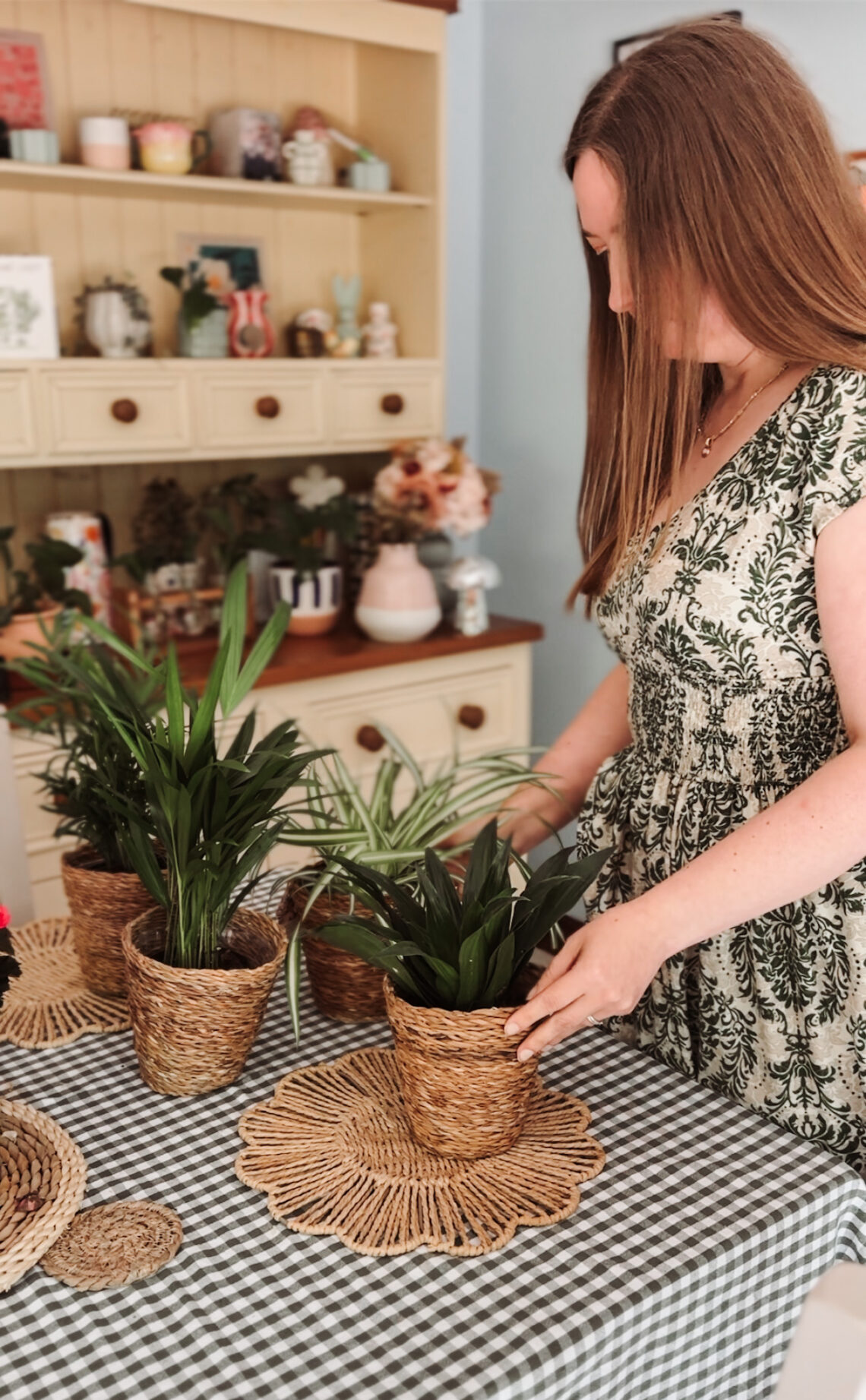
Best Low-Light Houseplants For Apartments
Struggling to keep plants alive in your dim apartment? Some indoor plants actually thrive with very little sunlight. So let’s look at the Best Low-Light Houseplants For Apartments and show you easy ways to care for them.

Golden Pothos
Golden Pothos is a lovely plant with heart-shaped leaves. It shines in low light and needs very little care—perfect for any apartment!
Features & Care Tips (Golden Pothos)
Golden Pothos is skilled at surviving in conditions with minimal light, making it perfect for apartments that have limited sunlight.
- The Golden Pothos has heart-shaped, glossy leaves that enliven any room. The extensive vines introduce a verdant touch to your home decor.
- Favouring areas away from direct sunlight, this plant can also flourish under artificial light. This makes it a prime choice for rooms with scarce natural light.
- It requires minimal watering. Wait for the soil to fully dry before watering again, as overwatering can damage the plant.
- If the leaves adopt a yellow hue, it could be a sign of excessive watering. Reduce watering in this scenario.
- To maintain its health, feed it with a balanced, liquid fertiliser every 6-8 weeks during its growth season. During winter, this can be reduced.
- Pruning enables the control of its growth and promotes denser foliage. Simply trim any extensive tendrils with scissors.
- The air-purifying capabilities of Golden Pothos make it a commendable indoor plant. It eradicates toxins from the air, thus bettering your apartment’s atmosphere.
- Propagation is simple. Sever a section of vine around six inches long and immerse it in water until roots develop, then transplant it to soil.
This plant is easy to look after and contributes positively by purifying the air in your apartment.
Snake Plant
The Snake Plant is a tough little gem for your apartment. It thrives in low light and needs very little water. Plus, it helps clean the air, which is always a bonus!
Features & Care Tips (Snake Plant)
Snake plants are great for apartments with low light. They are tough and improve indoor air quality.
- Snake plants, known as Sansevieria, thrive in minimal sunlight. They suit dark room corners perfectly.
- These plants prefer dry conditions. Only water them when the soil feels dry to touch.
- You can place a snake plant near a north-facing window. They handle shade well but also adapt to brighter spots.
- Avoid overwatering as it leads to root rot. Let the soil dry out between waterings.
- Snake plants grow well in standard potting mix. There’s no need for special soil.
- Fertilising isn’t often necessary. If you choose to, do it sparingly in the growing season (spring and summer).
- Air purifying is a key benefit. Snake plants remove toxins like formaldehyde from the air.
- They rarely get pests or diseases. Keep an eye out for common issues like mealybugs or spider mites.
- Repotting should happen every few years. It’s time when roots crowd the pot or poke out of drainage holes.
- Propagation is easy with snake plants. Cut leaf segments and plant them in soil to grow new ones.
Caring for a snake plant doesn’t require much effort, making it ideal for busy apartment dwellers or those new to indoor gardening.
Peace Lily
Peace Lilies are lovely plants with shiny green leaves and beautiful white flowers. They thrive in low light and need just a bit of water to stay happy.
Features & Care Tips (Peace Lily)
Peace Lily is a favoured indoor plant for apartments with limited light. Its reputation for air-purification and elegant white flowers makes it a popular choice.
- It’s great to note that Peace Lilies are quite adaptable to low to medium light, hence they are suitable for dim corners or rooms with minimal sunlight.
- They have a preference for damp soil; provide them water when the top inch of soil feels dry to your touch. Over-saturating can damage them, so caution is needed.
- These plants have a liking for humid environments. A light spray on their leaves with water can help satisfy this need.
- If you observe brown edges on the leaves, it could be a sign that the plant needs more hydration or there’s excess fluoride in the water. Consider using filtered water if this situation arises.
- To encourage growth, feed Peace Lilies with a balanced indoor plant feed every 6 weeks during spring and summer.
- They exhibit their flowers in the spring with suitable care. If you notice your plant isn’t producing flowers, it might need more light.
- Keep them shielded from direct sunlight since it can burn their leaves. A location near a window that receives indirect light is optimal.
- It’s necessary to note that Peace Lilies can be toxic to pets when ingested, so ensure to keep them out of range of cats and dogs.
- Cleaning the leaves not only keeps the plant looking pristine but also boosts its capacity to absorb light and purify air.
- Re-housing every few years aids in keeping the soil fresh and provides more space for the roots to expand. Select a pot that’s a bit larger than the current one.
Maintaining Peace Lilies doesn’t demand much exertion. A little focus on their basic requirements will lead to them rewarding you with vibrant foliage and appealing flowers even in conditions with low light.

ZZ Plant
The ZZ plant is a true survivor. It thrives in low light and needs very little water. This makes it perfect for busy people or those new to plants. Its shiny leaves add a touch of green charm to any room too!
Features & Care Tips (ZZ Plant)
ZZ plants are known for their toughness and ability to thrive in low light. They make perfect indoor foliage for those dark corners of your apartment.
- ZZ plant leaves have a shiny, waxy finish that brightens up any room.
- Its ability to grow in minimal sunlight makes it an ideal choice for less sunny spaces.
- Water the ZZ plant sparingly. Too much water can harm it.
- It prefers temperatures between 15°C to 24°C, avoiding cold drafts.
- Fertilise lightly, only during the growing season, spring through autumn.
- Dust its leaves occasionally to keep them glossy and healthy-looking.
- This plant can survive with artificial light, making it great for offices too.
- Being slow-growing, it doesn’t need frequent repotting.
- Its air-purifying qualities help improve indoor air quality.
- Keep its soil well-drained and never let it sit in water.
Calathea Orbifolia
The Calathea Orbifolia has stunning, round leaves with beautiful stripes. It loves humidity and needs indirect light to thrive. Keep the soil moist but not soggy for best results. This plant can brighten up any corner of your home… and it’s a fantastic choice for those low-light spots!
Features & Care Tips (Calathea Orbifolia)
Calathea Orbifolia is a stunning plant with large, round leaves. It adds a touch of tropical beauty to any room.
- Leaves are green with pale stripes, creating a vibrant look.
- Calathea prefers low to medium light. Direct sunlight can harm its leaves.
- Keep the soil slightly moist but not soggy. Water when the top inch feels dry.
- This plant enjoys humidity, so mist it frequently or use a pebble tray with water.
- Fertilise every month during spring and summer with a balanced liquid feed.
- Watch out for pests like spider mites and aphids; they can damage the plant.
- Repot every couple of years to refresh its soil and give roots more space.
Additional Tips for Caring for Low-Light Plants
Caring for low-light plants is easy and fun. Here are some tips to help your plants thrive.
- Water less often. Low-light plants need less water than others. Check the soil, and only water when it’s dry a few inches down.
- Dust the leaves regularly. Dust can block sunlight from reaching the plant. Wipe the leaves with a damp cloth to keep them clean.
- Rotate your plants. Change their position every few weeks. This helps all sides get equal light exposure, which promotes even growth.
- Use quality potting soil. Good soil gives your plants essential nutrients for strong growth. Look for a mix that retains moisture without becoming soggy.
- Fertilise sparingly. Low-light plants do not need as much fertiliser as those in bright light. A diluted liquid feed once or twice a year is usually enough.
- Be mindful of temperature changes. Most low-light plants prefer consistent temperatures between 15°C and 24°C (60°F to 75°F). Avoid placing them near drafts or heat sources.
- Choose pots with drainage holes. Proper drainage prevents root rot, which can happen if excess water builds up in the pot.
- Keep an eye out for pests like spider mites or aphids, which may appear on low-light houseplants too! Treat any infestations quickly using insecticidal soap or neem oil.
These simple actions will help maintain your greenery in apartments with minimal sunlight and enhance your indoor gardening experience!
Conclusion
Low-light houseplants can genuinely brighten up your apartment. They are easy to care for and fit well in small spaces. Plants like the Snake Plant or Peace Lily not only look good but also purify the air too.
Choose a few of these resilient plants, and watch your home come alive with greenery. Bring nature indoors; it’s advantageous!


You May Also Like

How to Propagate Houseplants: Complete UK Guide

Prayer Plant Care: Essential Tips For Thriving Marantas
