
The Role Of Bees In The UK Ecosystem (Updated 2025)
Have you ever wondered about the buzzing bees in your garden and their day-to-day tasks? These humble little creatures play a much bigger role in our ecosystem than most of us realise.
In the UK, bees are facing threats from habitat loss, climate change, diseases, and—most pressingly in 2025—the invasive Asian hornet. These challenges impact not just their survival but ours too.
One interesting fact is that there are over 250 species of bees in the UK, including bumblebees, solitary bees, and honeybees. Each has a crucial role in pollinating food crops which feeds both humans and livestock. Bees are vital to UK agriculture—one out of every three mouthfuls of food we eat exists because of pollinators.
So let’s learn why these insect pollinators are essential for our food security and how simple actions can help save them. Time to find out how we can give back to our buzzing friends!
Have you ever wondered about the buzzing bees in your garden and their day-to-day tasks? These humble little creatures play a much bigger role in our ecosystem than most of us realise.
In the UK, bees are facing threats from habitat loss, climate change, diseases, and—most pressingly in 2025—the invasive Asian hornet. These challenges impact not just their survival but ours too.
One interesting fact is that there are over 250 species of bees in the UK, including bumblebees, solitary bees, and honeybees. Each has a crucial role in pollinating food crops which feeds both humans and livestock. Bees are vital to UK agriculture—one out of every three mouthfuls of food we eat exists because of pollinators.
So let’s learn why these insect pollinators are essential for our food security and how simple actions can help save them. Time to find out how we can give back to our buzzing friends!
Why Bees Are Important in the UK Ecosystem
Bees play a vital role in the UK ecosystem by pollinating food crops, such as fruits and vegetables, feeding livestock, and maintaining the balance of the natural environment. By improving the yield, quality, and resilience of crops, insect pollination has been valued at £400 million per year to the UK economy. Their continued wellbeing is crucial not just for food production but for the overall health of wild plants and animals.
Role in Pollinating Food Crops and Feeding Livestock
Pollinators like bees play a crucial part in the growth of our food crops. They transfer pollen from one flower to another, helping plants to produce fruits and seeds. This process is vital for the cultivation of many foods we eat daily, such as apples, strawberries, tomatoes, courgettes, pumpkins, and raspberries.
35% of the world’s agricultural output, by volume, consists of 87 crop types that benefit from pollination by animals (insects, birds, and mammals). Their work doesn’t stop at wild flowers or human food sources; they also pollinate crops that feed livestock like cows and pigs. Without bee pollination, our supply of some meat and dairy products would decrease.
Feeding livestock often involves crops such as clover and alfalfa which require insect pollination too. Bees visit these plants, ensuring they can grow and provide feed for farm animals. The role bees have in supporting both direct human food production through crop pollination and indirectly by feeding livestock highlights their importance in maintaining food chains within natural ecosystems.
Essential for Maintaining the Ecosystem
Bees play a key role in maintaining the ecosystem by supporting the growth of trees, flowers, and other plants. These humble little bee workers act as pollinators for many species of wild bee and flowering plant species. Such actions ensure that our natural world thrives, contributing to lush green spaces and rich biodiversity.
Without bees to spread pollen from one bloom to another, many plants could not reproduce. Their work does more than just beautify our environment; it also supports other wild animals and helps uphold ecological balance. By transferring pollen amongst flowers, they enable not just reproduction but also the production of fruits and seeds that are vital food resources for various creatures.
This chain reaction supports whole ecosystems, ensuring every living thing has its place and food to survive. The loss of bees could lead to fewer wildflower meadows, impacting wildlife conservation. Since the 1930s, the UK has lost an estimated 97% of wildflower meadows linked to the continuous decline of wild pollinators, such as bees.
Current Status: The Reality of Bee Populations in 2025
The picture of bee health in the UK is complex and varies significantly by species.
Managed Honeybees: The 2024 count indicated a total UK population of honey bee hives of approximately 252,647. This represents a relatively stable population compared to historical levels, with honeybee numbers similar to those in the 1950s. Managed honeybee populations are not under threat and the number of maintained hives has increased in recent years.
Wild Bees Tell a Different Story: Whilst managed honeybee populations are stable, wild bee species face serious challenges. A study found substantial variation in pollinator trends based on occupancy models for 353 wild bee and hoverfly species in Great Britain between 1980 and 2013, with a net loss of over 2.7 million occupied 1km² grid cells across all species.
According to government statistics, the pollinator indicator had declined by 21% compared to its 1980 value. Particularly concerning, there was a 55% decline amongst species associated with uplands, whilst dominant crop pollinators increased by 12%, potentially in response to agri-environment measures.
Since 1900, we’ve lost 13 species of bees in the UK, and currently, 35 species of bee are under threat of extinction.
Disappearance Due to Habitat Loss, Climate Change, Disease, and Invasive Species
Sadly, many bee species face an uncertain future. Habitat loss strikes hard. Intensive farming practices replace diverse landscapes with vast single-crop fields. This transformation robs bees of their natural feeding and nesting sites. Urban areas also expand into the countryside, leaving less space for wild pollinators to thrive.
The UK is one of the most nature-depleted countries in the world, and the loss of our wild spaces means that bees do not have the nature they need to thrive.
Climate change adds another layer of stress. It alters weather patterns and flowering times, making it harder for bees to find food when they need it most. One of the key impacts of climate change is the shifting of seasons, which become less predictable, with summer droughts, prolonged flooding, cold springs, and coastal storms becoming more frequent. The rapid changing of seasons means that pollinators may lose synchronicity with the flowering plants they forage on.
Diseases like varroa mite weaken bee health further, already strained by pollution and pesticide use. Honeybees today need more care and management because of the need to prevent damaging levels of varroa mites building up.
The Asian Hornet Crisis of 2025: Perhaps the most urgent threat facing UK bees in 2025 is the invasive Asian hornet (Vespa velutina). As of 2025, there have been 161 confirmed sightings in total in the UK since 2016, including 111 nests that have all been destroyed. However, the situation has escalated dramatically.
In 2025, 24 Asian hornet nests have been found and destroyed—with 24 confirmed sightings in the UK. Last year, it was confirmed that the Asian hornet had survived a UK winter for the first time. This is a significant development, raising fears that the species may become permanently established in Britain.
A single hornet can kill 30–50 bees daily, and a nest of 2,000–3,000 hornets can consume 11kg of insects—equivalent to 90,000 bees—per season. It’s plausible that the higher summer temperatures seen throughout Europe may have driven the recent increase in sightings in the UK. Hornets need warm weather, like they have in Asia, to survive.
In Jersey, 262 queen hornets were recorded by 11 April 2025, a 1,090% surge from last year. These alarming statistics suggest that without continued vigilance and rapid response, the Asian hornet could pose a catastrophic threat to both managed and wild bee populations.
The Types of Bees Found in the UK
The UK is home to a diverse array of bee species, each playing a unique role in our ecosystem. Understanding these different types helps us appreciate the complexity of pollinator conservation.
Bumblebees
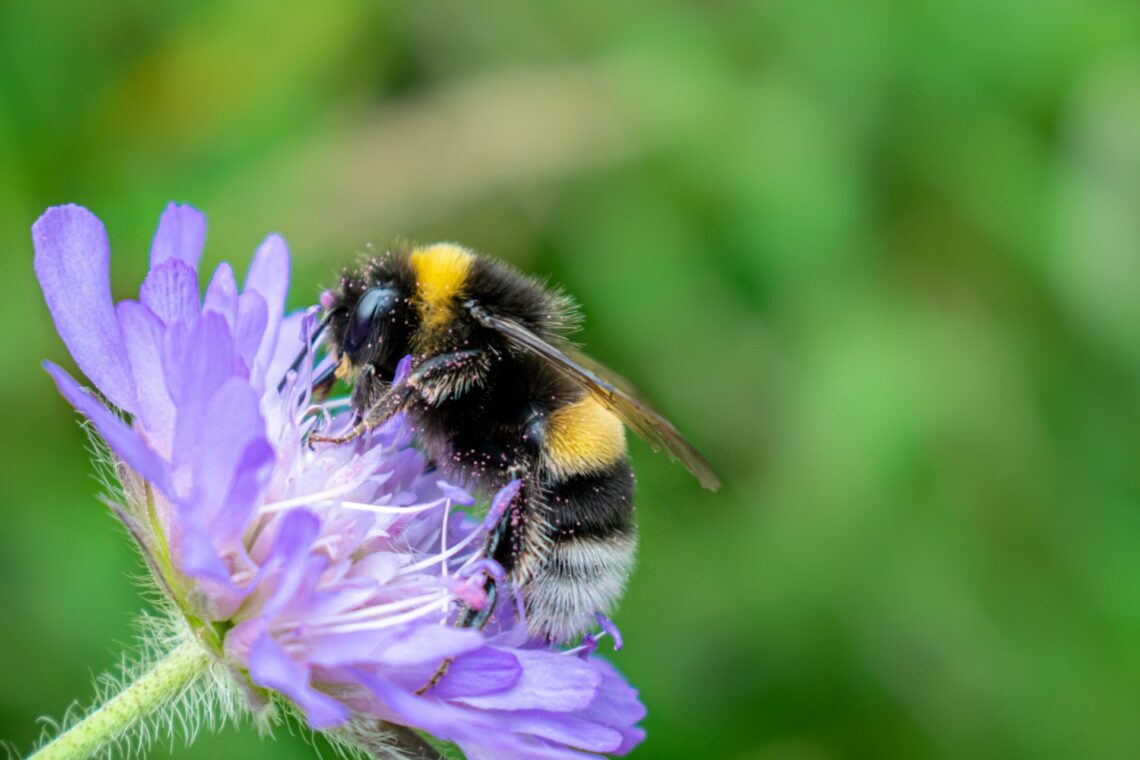
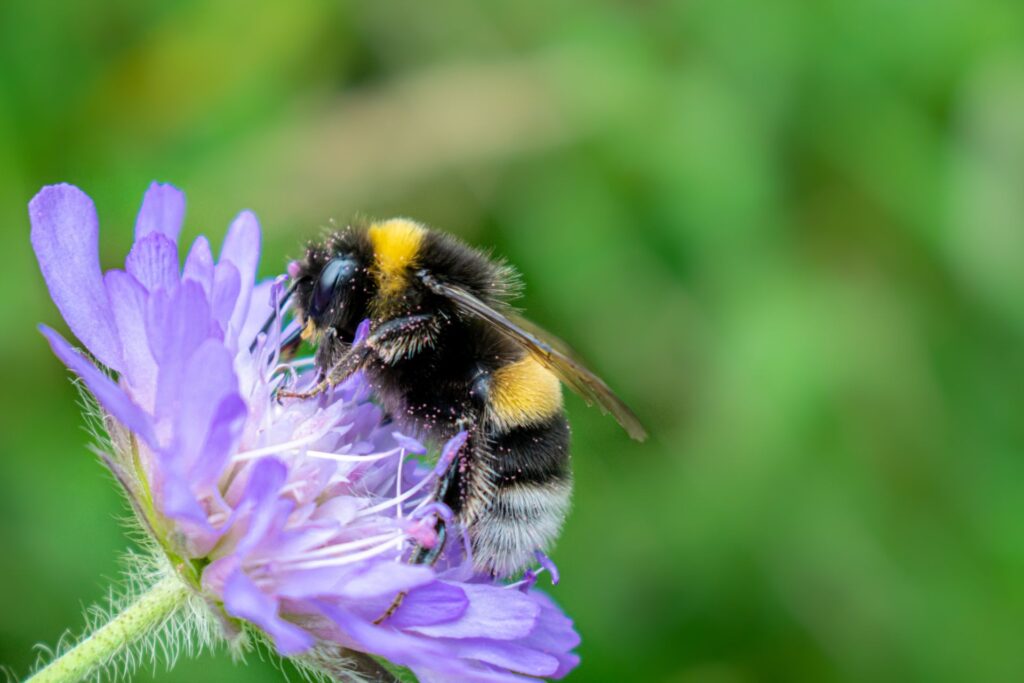
Bumblebees play a key role in the UK’s ecosystem. They are amongst the most effective pollinators, vital for the survival of many plant species and our food supply. These bees have longer tongues than other bee types, allowing them to reach deep into flowers like red clover to collect nectar and pollen. This ability makes bumblebees critical in supporting the growth of wild trees and garden plants across the country.
Many bumblebee species nest underground or in dense grass clumps, creating habitats that support a healthy environment. Many of our rarer bumblebee species (Moss Carder Bee, Brown-banded Carder Bee, Shrill Carder Bee) need an estimated 10–20 square kilometres of good habitat to support a stable population but are currently losing that precious habitat at an alarming rate.
Sadly, their numbers are falling due to habitat loss from human activities, climate changes, and diseases. The IUCN list shows that as many as 24% of Europe’s bumblebee species are now threatened with extinction, despite being worth a staggering £690 million per year to the UK economy. Protecting these important pollinators is essential for maintaining biodiversity and ensuring we have a rich variety of foods available.
Solitary Bees
Solitary bees play a unique role in the ecosystem, making their mark far from the hive-minded lives of their honeybee and bumblebee cousins. These lone workers, including well-known types like leafcutter bees and mason bees, take on pollination duties without forming large colonies.
Each female solitary bee lays her eggs in individual nests made from natural materials. Unlike honeybees that return to bustling hives, solitary bees venture out alone to gather pollen for their offspring.
In terms of numbers and diversity, these insects are champions amongst British pollinators. The UK is home to over 240 species of solitary bees which contributes significantly to pollinating plants in gardens, fields, and wild spaces across the country. They visit a wide array of flower types during their foraging trips. This vast range makes them key players in supporting local areas’ plant life and by extension human health through ecosystem services like animal pollination.
Their hard work ensures the survival of many native species crucial for maintaining biodiversity. Species which are restricted to particular habitats or specialised to forage on a small range of plants are often most vulnerable to population declines.
Honeybees
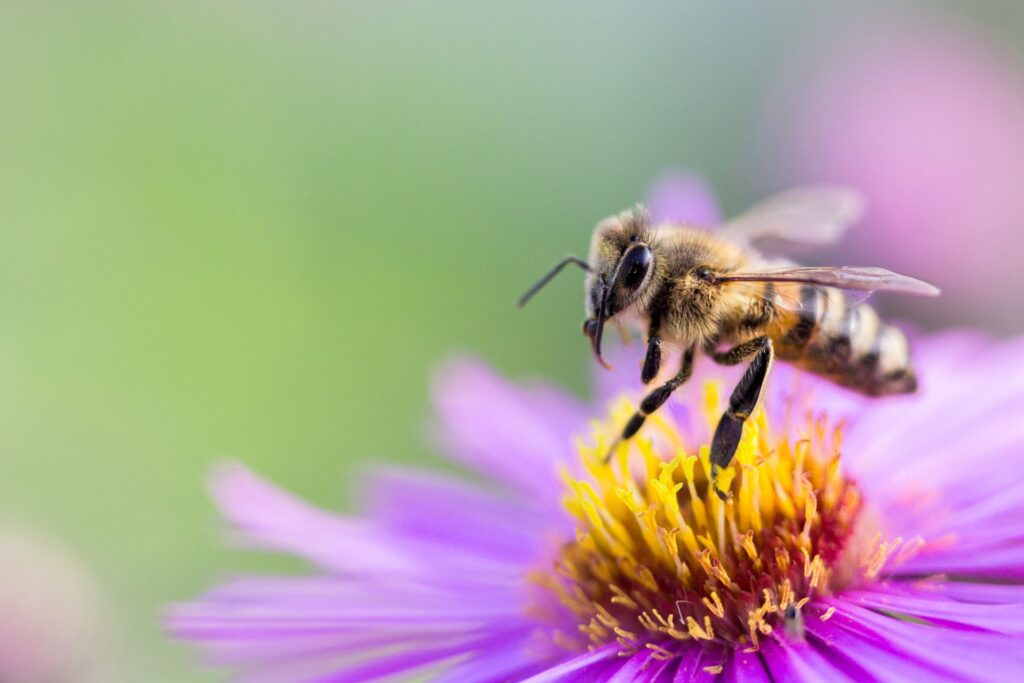
Moving from solitary bees, we now focus on the bustling world of honeybees. These insects are known for their role in producing bee products like royal jelly and honey. Honeybees play a crucial part in pollinating plants. This is essential not just for garden bumblebees but also for maintaining healthy bee populations across the UK. They work tirelessly as worker bees, ensuring crops can grow and flourish.
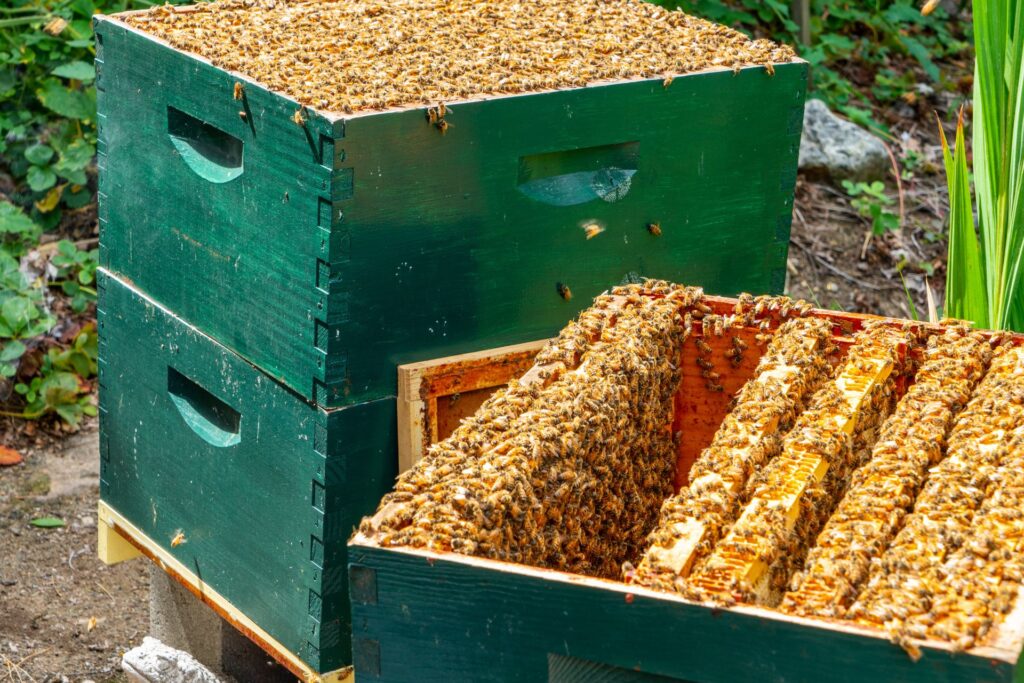
Honeybee colonies are led by a single queen bee, who lays all the eggs for the hive. Worker bees support her and take care of the hive’s needs, including feeding larvae and protecting their home from threats like the invasive Asian hornet.
Whilst managed honeybee populations are relatively stable, they still face challenges such as habitat loss, diseases (particularly varroa mite), and the threat from Asian hornets. Honeybees continue to be a keystone species in our ecosystem. Their hard work supports food production and contributes significantly to human wellbeing by sustaining plant life that other insect species rely on too.
How You Can Help Bees
Supporting bee populations is crucial, and every individual can make a difference. Here are practical steps you can take to protect these vital pollinators:
Avoid Using Pesticides
Choosing not to use chemicals can greatly benefit bee populations in the UK. Many pesticides harm bees, which are crucial for pollinating food crops and supporting the ecosystem. By using organic methods in gardens and farms, we help protect these important insects.
Creating a bee-friendly environment doesn’t require harsh chemicals. Planting native flowers and setting up bee hotels offer safe havens for bees, including bumblebees, solitary bees, and honeybees. This way, we support their wellbeing and contribute to maintaining healthy wild bee populations across the country.
Provide Shelter and Food Sources
After eliminating pesticides from your garden, you can actively support bees by providing them with suitable shelters and abundant food sources.
Plant Native Wildflowers: Plant native wildflowers such as foxgloves, lavender, and bluebells to offer an essential source of nectar for bees whilst creating a diverse and rich habitat. Choose plants that flower at different times throughout the year to provide a continuous food source.
Create Nesting Spaces: Consider leaving patches of the lawn or garden untamed to provide nesting spaces for solitary bees. Building bee hotels using natural materials like bamboo or drilled wood blocks can also create places for solitary bee species to lay their eggs.
Let Areas Grow Wild: Allow parts of your garden to grow wild with flowering plants. This will not only offer a sanctuary for bees but also contribute to the environment’s overall biodiversity.
Provide Water: Ensure that bees have access to clean water by placing shallow dishes filled with water in various locations around your garden or back garden. Add pebbles or stones so bees can land safely to drink without drowning.
These simple yet effective steps can greatly contribute towards improving the conditions for all types of bees within the UK ecosystem.
Support Local Beekeepers
To further help preserve bee populations, it’s crucial to support local beekeepers. By buying honey and other bee-related products directly from them, you’re not only aiding in sustaining the beekeeping industry but also ensuring the ongoing care and protection of bees at a grassroots level.
Local beekeepers play an important role in maintaining healthy bee colonies which are essential for pollination and biodiversity across the UK. Over 9,500 beekeepers completed the National Hive Count in 2024. Additionally, supporting local apiarists helps to safeguard traditional methods of apiculture whilst promoting sustainable practices within the community.
By backing local beekeepers, you contribute to the overall health and wellbeing of bees in your area. This can lead to a more vibrant ecosystem where these vital pollinators thrive, benefiting both wildlife and agricultural crops within the region.
Report Asian Hornet Sightings
One of the most important actions you can take in 2025 is to remain vigilant for Asian hornets and report any sightings immediately.
How to Identify an Asian Hornet: Asian hornets are slightly smaller than our native European hornet, and are black with an orange face, a thin yellow band near the middle, and yellow-tipped legs. The Asian hornet’s potentially most distinctive characteristic is its abdomen, which is dark brown with a fourth segment that is almost entirely orange.
If You Spot One:
- Do NOT disturb any nests you find
- Download the Asian Hornet Watch app to report sightings
- Take a photograph if safe to do so
- Note the exact location
- Report to the National Bee Unit immediately
Early detection and rapid response are crucial to preventing the Asian hornet from becoming established in the UK. Your vigilance could save thousands of bees and help protect our food security.
Get Involved in Citizen Science
Several monitoring projects need volunteers:
UK Pollinator Monitoring Scheme (PoMS): Run by the Centre for Ecology & Hydrology, this scheme gathers vital information on pollinator populations. Their 10-minute Flower Insect Timed Count can be carried out anywhere, including parks and gardens.
BeeWalk: Run by the Bumblebee Conservation Trust, this standardised bumblebee-monitoring scheme involves volunteer ‘BeeWalkers’ walking the same fixed route once a month throughout the season.
These projects provide essential data that helps scientists and conservationists understand pollinator trends and develop effective protection strategies.
Conclusion
Bees play a vital role in the UK ecosystem by pollinating food crops, feeding livestock, and maintaining a healthy ecological balance. Insect pollination has been valued at £400 million per year to the UK economy.
The situation in 2025 is complex: whilst managed honeybee populations remain stable, wild bee species continue to face serious challenges from habitat loss, climate change, and diseases. The emergence of the Asian hornet as an overwintering invasive species represents a new and urgent threat that requires immediate public awareness and action.
Supporting local beekeepers, providing shelter and food sources, avoiding pesticide use, and remaining vigilant for Asian hornets are practical ways to help bees thrive. By taking these steps—and reporting Asian hornet sightings promptly—we can ensure a brighter future for bees in the UK.
Remember: every garden can become a haven for pollinators. Every sighting reported helps protect our bees. Every choice we make to support these vital creatures contributes to the health of our entire ecosystem.
FAQs
Why are bees important in the UK ecosystem? Bees play a vital role in the UK ecosystem as they help plants produce seeds by transferring pollen, aiding in plant reproduction. They’re responsible for pollinating a third of the food we eat and contribute £400 million annually to the UK economy.
How have bee numbers changed over recent decades? The picture is complex: managed honeybee hive numbers have increased to around 252,647 (similar to 1950s levels), but wild bee populations have declined significantly. Since 1980, the overall pollinator indicator has declined by 21%, with upland species declining by 55%.
What is World Bee Day? World Bee Day, held on 20th May, is an event established by the United Nations and supported by the European Union where people around the globe raise awareness about the importance of bees for our ecosystems.
What are Asian hornets and why are they a threat? Asian hornets (Vespa velutina) are invasive predators that can kill 30–50 bees daily. A single nest can consume 90,000 bees per season. They first appeared in the UK in 2016 and survived their first UK winter in 2024, raising fears they may become permanently established.
How can I identify an Asian hornet? Asian hornets are slightly smaller than native European hornets, with a black body, orange face, thin yellow band near the middle, yellow-tipped legs, and a distinctive dark brown abdomen with an almost entirely orange fourth segment. If you spot one, report it immediately via the Asian Hornet Watch app.
Can you name some types of bees found in the UK? In the UK, you can find various types of bees such as mining bees, the early bumblebee which nests during late summer months, western honeybees known for producing honey, leafcutter bees, mason bees, and many others across the 250+ species present.
Who are key organisations working to protect UK bees? Key organisations include the National Bee Unit, Royal Botanic Gardens, Bumblebee Conservation Trust, British Beekeepers Association, Centre for Ecology & Hydrology, and various citizen science programmes that monitor and protect pollinator populations.
Related posts:


You May Also Like

Is Owning Pets Environmentally Friendly?

How Much Water Does ChatGPT Use? The Complete 2026 Guide to AI Water Consumption
