
Mindfulness Activities For Toddlers
Toddlers and mindfulness can sound like a contradiction. If you’ve ever tried getting a two-year-old to sit still for thirty seconds, you’ll know why. But mindfulness for this age isn’t about sitting quietly on a cushion — it’s much simpler and much more movement-based than that. It’s breathing like a bear. Noticing what something feels like in your hands. Pretending to stretch like a cat. Small, sensory, playful moments that help little ones slow down without even realising that’s what’s happening.
The activities here are genuinely easy to do — short enough to hold a toddler’s attention, simple enough to try anywhere, and actually useful for those moments when big feelings need somewhere to go.
Last Updated: May 2026
The Importance of Mindfulness for Toddlers
Engaging toddlers in mindfulness promotes positive emotions and helps them regulate their feelings, contributing significantly to their mental and emotional well-being. Moreover, it nurtures social skills essential for healthy development.
Benefits for mental health and emotional regulation
Practising mindfulness boosts mental health in kids of all ages, including toddlers. It teaches them to manage big feelings and calm their mind in moments of stress. This practice helps them understand their emotions better, which is crucial for emotional regulation.
Mindfulness activities like belly breathing or mindful listening allow toddlers to focus on the present moment, reducing anxiety and improving their mood.
These simple mindfulness activities are a great way to introduce young children to techniques that foster positive emotions and self-regulation skills from an early age. Incorporating practices such as deep breathing exercises or sensory experiences into a toddler’s daily routine can lay the foundation for healthy emotional habits that benefit them throughout life.
Promoting positive emotions and social skills
Mindfulness activities teach toddlers how to express joy, gratitude, and kindness. These practices lay a strong foundation for positive emotional development. Simple mindfulness exercises like belly breathing or mindful colouring allow young children to experience calmness and happiness in a fun way.
This leads to better emotional regulation which is crucial for their mental health.
Teaching toddlers social skills through mindfulness prepares them for successful interactions with others. Activities such as taking turns during fun breathing exercises or working together on a sensory bin project help develop respect, patience, and empathy among peers.
These early lessons in mindfulness foster not just good manners but also deep connections with friends and family members from a young age.

Simple Mindfulness Activities for Toddlers
Describing emotions
Teaching toddlers to describe their emotions is a simple practice in mindfulness that can have big effects. Start by linking emotions to colours or the weather, making it easier for young children to understand and express what they’re feeling.
For instance, happiness might be sunny yellow, while sadness could be likened to a rainy grey sky. This method turns an abstract concept into something tangible for them.
Using pictures of faces showing different feelings can also help toddlers recognise and name their own emotions. Encourage them to pick the face that matches how they feel inside. This activity boosts their emotional vocabulary and teaches mindful awareness of their internal states.
Pairing this with asking about what made them feel a certain way guides children in connecting events to their reactions, fostering greater emotional intelligence from a young age.
Sensory texture activity
A sensory texture activity is a great way to engage toddlers in mindful practices. This simple method involves letting kids explore different textures with their hands, such as rough sandpaper, soft cotton balls, or sticky glue.
This practice keeps them busy and helps in developing their sense of touch. By guiding them to focus on how each texture feels, this activity teaches them to notice details about their immediate environment.
To make the experience more enriching, parents and educators can include items from nature like smooth pebbles or bumpy pine cones. Encouraging children to describe what they feel further enhances their vocabulary and communication skills.
This easy mindfulness activity proves that learning new skills doesn’t have to be hard work; it can be fun and filled with discovery.
Belly breathing
Moving from sensory texture activity, we now focus on belly breathing. This simple mindfulness technique helps toddlers to calm down by using deep breaths. It’s a very basic method where they learn to fill their stomach with air like a balloon and then slowly let it out.
You can make this fun by placing a stuffed animal on their belly. They watch as the toy moves up and down with each breath. This turns a classic mindfulness exercise into an enjoyable game.
Practising belly breathing is not just for quiet time in a corner; you can do it anywhere. Whether after running around or during a calm moment at home, encourage your toddler to take slow, deep breaths through the nose, filling their belly, then exhale slowly through the mouth.
It’s an effective way to introduce them to mindful breathing early on, setting the foundation for more structured mindfulness practices like body scans or mindful walking as they grow older.
Mindful colouring
Mindful colouring is a calming activity that allows toddlers to focus on the moment. They pick up crayons and fill in spaces with colours of their choice. This simple way of engaging in mindfulness helps them calm down and teaches concentration.
Toddlers learn to stay present as they decide on which shades to use, making it a great activity for both relaxation and creative expression.
By using colouring sheets with different patterns or pictures, young ones practice mindfulness without even knowing. It’s an easy mindfulness activity that can happen anywhere, from a quiet place at home to a busy preschool setting.
Colouring also improves their hand-eye coordination and fine motor skills as they work within lines, showing how mindful activities like this support physical health alongside mental wellbeing.
Animal stretches
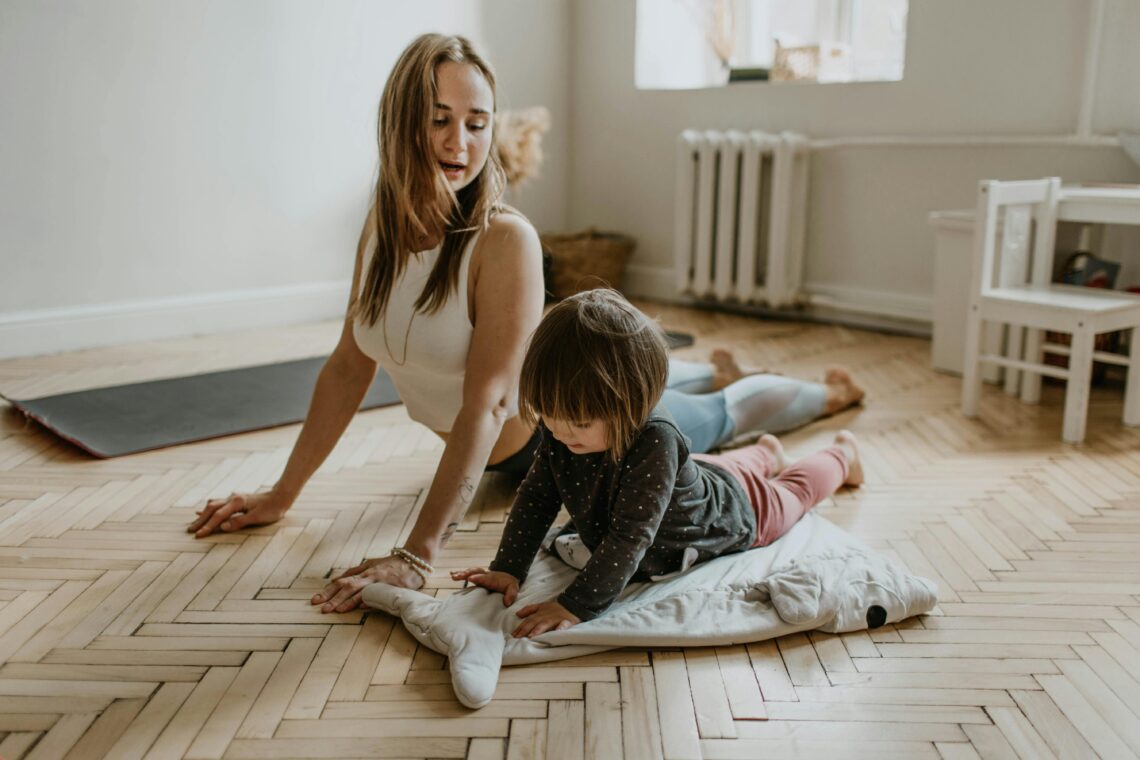
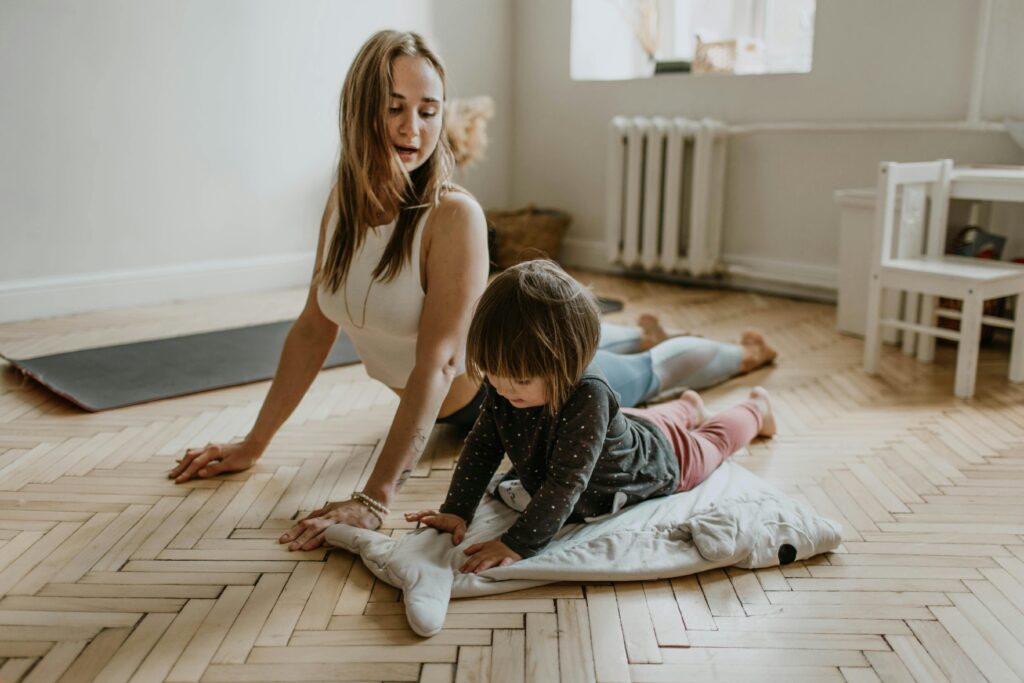
Animal stretches are a playful and dynamic way to introduce toddlers to physical activity while tapping into their imagination. Kids pretend to be their favourite animals, like stretching tall like a giraffe or curling up small like a mouse.
This practice blends the benefits of mindfulness with gentle exercise, making it an excellent choice for young children. It encourages them to focus on how their bodies move and feel in the moment, fostering both awareness and coordination.
Incorporating animal poses makes exercise fun and helps in developing kids’ motor skills and body awareness. Simple movements such as imitating a bear walking on all fours or a frog leaping high can significantly enhance flexibility and strength.
Moreover, describing these actions as they perform them enriches their vocabulary and aids in cognitive development. Through such engaging routines, toddlers learn valuable mindfulness techniques that benefit daily life, promoting calmness and concentration from an early age.
Incorporating Mindfulness in Preschool Settings
Teaching mindfulness to young children requires creativity and patience. It involves introducing outdoor activities, using technology for engaging mindfulness, and employing simple breathing exercises.
Outdoor mindfulness activities can include a listening walk or a scavenger hunt, while technology like nature sounds or meditation apps can be used to engage the little ones effectively.
Tips for teaching mindfulness to young children
Teaching mindfulness to young children is an essential yet rewarding task. Here are some effective tips for introducing mindfulness practices to toddlers:
- Use visual aids such as posters, pictures, or storybooks to explain the concept of mindfulness in a way that is accessible and engaging for young children.
- Incorporate interactive activities like storytelling, guided imagery, or role-playing to help children understand and practice mindfulness in a fun and relatable manner.
- Create a calm and peaceful environment for mindfulness activities by using soft lighting, comfortable seating, and soothing background sounds like nature or gentle music.
- Encourage play-based learning by incorporating mindful activities into everyday tasks such as mindful eating, mindful movement, or sensory exploration through various textures and objects.
- Model mindfulness practices through your own behaviour, demonstrating deep breathing exercises or taking moments of quiet reflection and inviting children to join in.
These tips provide a practical guide for nurturing mindfulness in young children while fostering their emotional well-being and resilience.
Outdoor mindfulness activities
Engaging toddlers in outdoor mindfulness activities can be a fun and effective way to help them connect with nature while promoting their mental well-being. Here are some simple yet engaging outdoor mindfulness activities for toddlers:
- Nature walk: Take a stroll through a park or garden, encouraging children to observe and appreciate the natural world around them.
- Sensory scavenger hunt: Create a list of items for children to find in nature, such as leaves, flowers, or rocks, using their senses to explore different textures, colours, and scents.
- Sound mapping: Sit quietly and listen to the sounds of nature, then create a map or drawing to represent the different noises they hear.
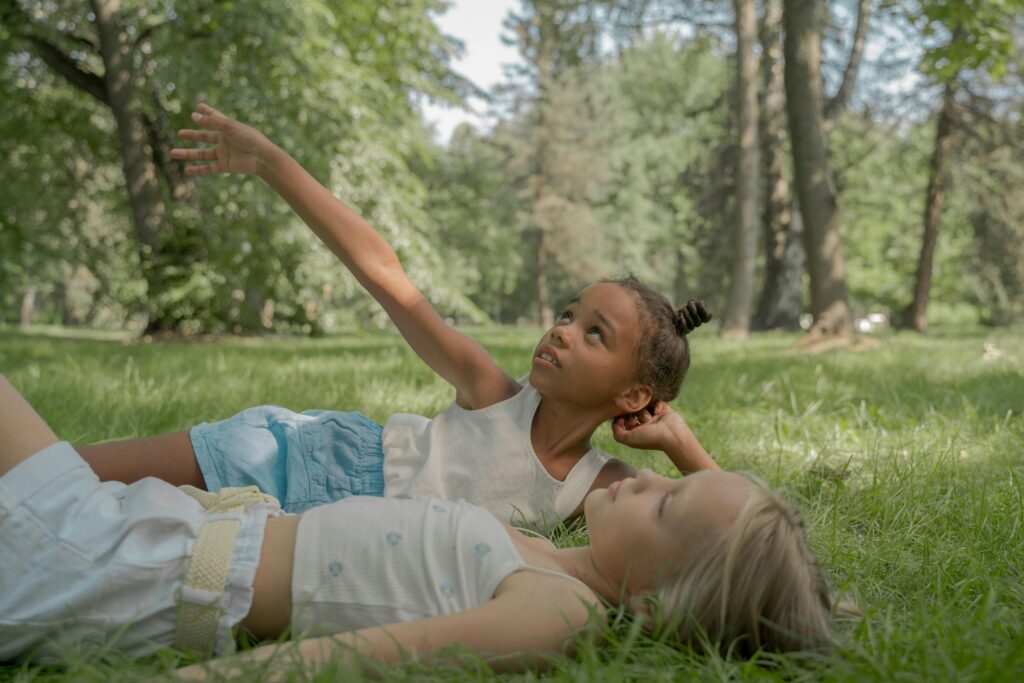
- Cloud watching: Lie on the grass and gaze up at the sky, identifying shapes and patterns in the clouds while practising deep breaths.
- Mindful movement: Encourage gentle yoga poses or stretching exercises outdoors, allowing toddlers to connect their movements with the natural environment.
- Outdoor storytelling: Engage children in imaginative storytelling sessions using elements from nature as prompts for creativity and mindfulness practice.
- Guided meditation: Lead short guided meditation sessions under a tree or by a tranquil stream, helping toddlers learn the art of focused breathing and relaxation in an outdoor setting.

Use of technology for engaging mindfulness
Apps and videos can be valuable tools for introducing mindfulness to toddlers. With engaging visuals and interactive features, these resources can help young children understand the practice of mindfulness in a fun and accessible way.
Mindfulness apps designed specifically for kids offer activities such as breathing exercises, guided meditations, and calming music that cater to their developmental needs.
Videos featuring animated characters or nature scenes can also capture a child’s attention while teaching them mindful techniques like deep breathing or simple yoga poses. By incorporating technology into mindfulness activities, educators and parents can create an enriching experience that aligns with the interests of young children while promoting emotional regulation and positive well-being.
Teach Your Child About Mindfulness
By practicing mindfulness, toddlers can improve their mental and emotional well-being. The simple activities provided offer practical and efficient ways to engage toddlers in mindful practices.
How do you plan to incorporate these engaging strategies into your toddler’s daily routine? Remember the significant impact of these practices on your toddler’s development and overall well-being.
Explore additional resources or books for further guidance on implementing mindfulness activities with toddlers. Start this journey today and witness the positive transformation it brings into your child’s life.
FAQs
1. What’s a good way to start mindfulness with toddlers?
Starting mindfulness with toddlers can be as simple as introducing them to easy activities like listening to their favourite song or watching a glitter jar settle. These practices help young students focus and find calm.
2. Can older children also benefit from mindfulness activities designed for toddlers?
Yes, older kids and even elementary students can enjoy and benefit from these practices. Mindfulness games adapted for their age group can improve attention and executive function.
3. How much time should I spend on mindfulness activities with my toddler?
A few minutes of daily practice is a great way to introduce younger students to mindfulness. It doesn’t have to take up much free time but making it a regular part of your day helps build the habit.
4. Are there creative ways to teach mindfulness without adding more screen time?
Absolutely! Crafting a glitter jar together or spending quiet moments in a special place outdoors offers powerful tools for teaching mindfulness in positive ways, away from screens.
5. Do mindful activities really make a difference for kids having a hard time focusing?
Mindful activity is an effective method that can help children who have difficulty keeping their mind on one task at once by bringing their focus back in gentle, supportive ways.
6. Is there something specific I should remember when choosing mindfulness exercises for different age groups?
The most important thing is picking activities suitable for the child’s developmental stage—what works well for younger students might not hold the interest of older ones, so adapt accordingly.
Related posts:


You May Also Like

Evolve Organic Beauty Review

Zero Waste Kitchen Hacks
