
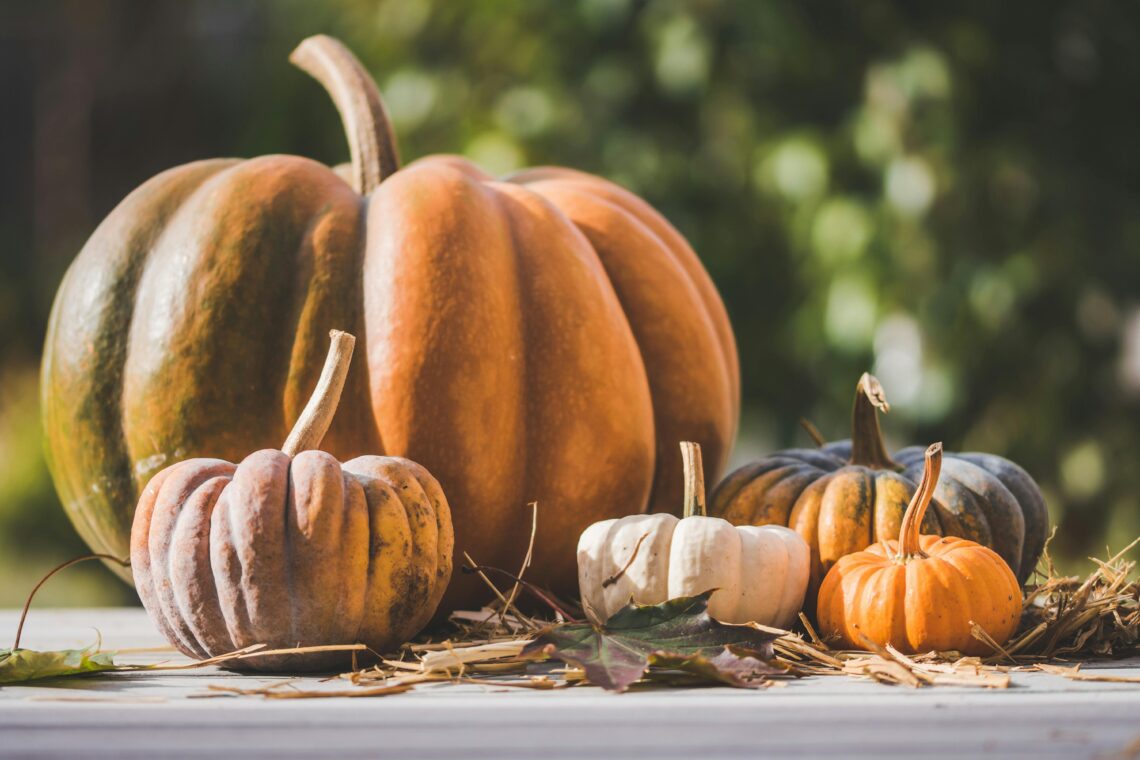
How to Throw Away Pumpkins After Halloween (Without Guilt)
Right, so Halloween’s over. You’ve eaten too many sweets, the kids have crashed from a sugar high, and now you’re staring at a rapidly decomposing pumpkin on your doorstep wondering what the hell to do with it.
Every year, the UK throws away about 18,000 tonnes of pumpkins. That’s roughly 95% of the pumpkins we buy for Halloween, just chucked in the bin to rot in landfills. Which is absolutely mad when you think about it – we’re literally throwing away food.
I used to just bin mine too. Wrapped it in a carrier bag, dumped it in the wheelie bin, and tried not to think about the fact that I’d just paid actual money for something that lasted two weeks and went straight to landfill.
But figuring out how to throw away pumpkins properly (or better yet, not throw them away at all) is actually pretty straightforward once you know your options. And some of them are genuinely useful rather than just making you feel less guilty.
So if you’ve got a sad, sagging jack-o’-lantern that needs dealing with, here’s everything you need to know about how to throw away pumpkins – or what to do instead.
- Why You Shouldn’t Just Bin Your Pumpkin
- How to Throw Away Pumpkins: The Proper Way
- Better Options Than Throwing Away Pumpkins
- What About Pumpkin Seeds?
- How to Throw Away Pumpkins: UK Council Rules
- The Reality of Pumpkin Disposal
- Other Halloween Waste to Think About
- The Bottom Line on How to Throw Away Pumpkins
- FAQs About How to Throw Away Pumpkins
Why You Shouldn’t Just Bin Your Pumpkin
Before we get into how to throw away pumpkins properly, let’s talk about why chucking them in the general waste is a problem.
The Landfill Issue
When pumpkins (and other food waste) go to landfill, they decompose without oxygen. This creates methane – a greenhouse gas that’s about 25 times more potent than carbon dioxide when it comes to trapping heat in the atmosphere.
Basically, your rotting pumpkin is contributing to climate change. Bit dramatic for a Halloween decoration, but there we are.
The Waste of Food
Pumpkins are food. Perfectly edible food. The flesh can be cooked and eaten (yes, even from carving pumpkins), and the whole thing can be composted to create nutrients for growing more food.
Throwing away 18,000 tonnes of edible produce every year because we carved faces into them is absolutely bonkers when you actually think about it.
The Money Aspect
You paid for that pumpkin. Probably £3-10, depending on size and where you bought it. Binning it is literally throwing money in the bin along with the pumpkin.
If that doesn’t motivate you to find a better way to dispose of it, I don’t know what will.
How to Throw Away Pumpkins: The Proper Way
Right, if your pumpkin is past the point of being useful for anything else (it’s mouldy, collapsed, or generally disgusting), here’s how to throw away pumpkins responsibly:
1. Food Waste Bin (Best Option)
If you have a council food waste collection, use it.
Most UK councils now collect food waste separately. Your pumpkin goes in the food waste bin (sometimes brown, sometimes green, depending on your council). The council takes it to an industrial composting facility where it’s composted properly.
How to do it:
- Remove any candles, wax, decorations, or non-organic bits
- Chop the pumpkin into smaller pieces if it’s massive (helps it fit in the bin)
- Chuck it in your food waste bin
- Let the council deal with it
This is how to throw away pumpkins if you can’t compost at home. The pumpkin gets composted industrially instead of rotting in landfill, which means no methane emissions.
Check your council’s rules – some accept carved pumpkins, some don’t if they’re painted or covered in candle wax. Most are fine with plain carved pumpkins though.
2. General Waste (Last Resort)
If you genuinely have no other option – no food waste bin, no garden, no way to compost or donate – then yes, it goes in general waste.
But this should be your last resort. You’re literally paying council tax for them to take your pumpkin to landfill where it’ll create methane. It’s the worst option environmentally and economically.
Better Options Than Throwing Away Pumpkins
Right, now let’s talk about what you should actually do with your pumpkin instead of just binning it. These options are better for the environment and some are actually useful.
Compost It at Home
Best for: Anyone with a garden and a compost bin
Composting is how to throw away pumpkins if you want them to actually do something useful. They decompose and turn into nutrient-rich compost you can use in your garden.
How to compost pumpkins:
- Remove non-organic bits – candles, wax, paint, plastic decorations, anything that won’t rot
- Chop it up – the smaller the pieces, the faster it composts. Massive chunks take forever
- Add to your compost bin – mix with other compost material (brown and green matter)
- Keep it moist but not soggy – like a wrung-out sponge
- Turn it occasionally – helps aeration and speeds up decomposition
- Wait – depending on conditions, it’ll take a few weeks to a few months to fully decompose
Why pumpkins are good for compost:
- High in nitrogen and potassium (good nutrients for plants)
- Break down fairly quickly when chopped up
- Improve soil structure and fertility
- Reduce waste going to landfill
Potential issues:
- They can get slimy and smelly if your compost is too wet
- Might attract pests if not buried properly in the compost
- Seeds can sprout next year (not a huge problem, just pull them up)
I compost mine every year. Takes about 10 minutes to chop it up and chuck it in the compost bin, and by spring it’s turned into lovely compost for the garden.
Bury It in Your Garden
Best for: People with gardens who don’t have compost bins
If you don’t have a compost bin, you can literally just dig a hole and bury your pumpkin. It’ll decompose in the soil and feed your plants.
How to do it:
- Chop pumpkin into chunks
- Dig a hole about 30cm deep
- Chuck the pumpkin pieces in
- Cover with soil
- Leave it to decompose
This is essentially composting in the ground. The pumpkin breaks down and releases nutrients directly into the soil. Free fertiliser.
Where to bury it:
- Vegetable patch (nutrients go straight to next year’s crops)
- Under trees or shrubs
- Anywhere you want to improve soil
- NOT near buildings (can attract pests)
This is honestly the easiest way to deal with a pumpkin if you have garden space. No bins, no mess, just chuck it in a hole and forget about it.
Eat It (Yes, Really)
Best for: Pumpkins that aren’t too far gone
This is technically not about how to throw away pumpkins – it’s about not throwing them away at all. But if your pumpkin isn’t moldy or rotten, you can absolutely eat it.
Yes, even carving pumpkins. They’re not as sweet as “pie pumpkins,” but they’re perfectly edible.
What you can make:
- Pumpkin soup (the easiest option – just roast the flesh and blend it)
- Pumpkin puree (roast, blend, freeze for later use in pies, muffins, smoothies)
- Roasted pumpkin (cut into chunks, roast with oil and seasoning)
- Pumpkin curry
- Pumpkin bread or muffins
- Add to pasta sauces or risottos
How to prepare carved pumpkin for eating:
- Cut off any bits that are slimy or mouldy
- Wash thoroughly (especially if it’s been outside or had candles in it)
- Cut into chunks, remove seeds and stringy bits
- Roast at 200°C for 30-40 minutes until soft
- Scoop out the flesh and use in recipes
Reality check: If your pumpkin has been sitting outside for two weeks, getting rained on and generally decomposing, it’s probably not appetising. But if you carved it a few days ago and it’s still fairly fresh, there’s no reason not to use it.
I made soup from mine last year. It wasn’t the best soup I’ve ever made (carving pumpkins are a bit watery), but it was fine and felt better than binning it.
Give It to Animals
Best for: If you know people with livestock or can access farms/petting zoos
Lots of animals love pumpkins. If you’re wondering how to throw away pumpkins in a way that makes something happy, this is it.
Animals that eat pumpkins:
- Chickens (love them, great for egg production)
- Pigs
- Goats
- Sheep
- Cows
- Guinea pigs, rabbits (in moderation)
- Wildlife (deer, badgers, hedgehogs, birds)
Where to donate pumpkins:
- Local farms (call first, many actively want them)
- Petting zoos
- Wildlife sanctuaries
- Community gardens with chickens
- Neighbors with chickens/rabbits
How to prepare:
- Remove candles, wax, paint, decorations
- Chop into manageable pieces (easier for animals to eat)
- Remove from any bags or containers
Some farms actively collect pumpkins after Halloween. Check local Facebook groups or call farms near you – you might be surprised how many want them.
Make a Bird Feeder
Best for: Small pumpkins, if you’re feeling crafty
This is a fun one if you’ve got small pumpkins and want to do something a bit different.
How to make a pumpkin bird feeder:
- Cut the top off the pumpkin
- Scoop out all the seeds and flesh
- Make holes on opposite sides for stick perches
- Push sticks through for birds to perch on
- Fill the bottom with bird seed
- Attach string to hang it
- Hang somewhere birds can access but cats can’t
The birds eat the seed, then eat the pumpkin as it softens. Eventually, the whole thing decomposes or you can compost what’s left.
It’s a bit Pinterest-y, but if you’ve got kids who are sad Halloween is over, this extends the pumpkin fun for another week or two.
Donate to Schools or Community Projects
Best for: Multiple pumpkins or wanting to be properly virtuous
Some schools, community gardens, and environmental projects collect pumpkins after Halloween for educational purposes or composting projects.
What they use them for:
- Teaching kids about composting and decomposition
- Science lessons about organic matter
- Art projects (painting, carving, creating with the pieces)
- Composting for school gardens
- Feeding school chickens or animals
How to find collection points:
- Check your local council website
- Ask schools directly
- Look on local Facebook community groups
- Check environmental charity websites
Not every area does this, but some do. Worth checking if you want your pumpkin to serve a purpose beyond just rotting.
What About Pumpkin Seeds?
Don’t bin the seeds! They’re one of the best bits.
What to do with pumpkin seeds:
- Roast and eat them (wash, dry, toss with oil and salt, roast at 180°C for 15-20 minutes)
- Plant them next year (dry them out, store in a cool dry place, plant in spring)
- Give to birds (they love them)
- Compost them (if you can’t be bothered with the above)
Roasted pumpkin seeds are genuinely nice. Bit of effort, but if you’ve already carved the pumpkin you’ve already got the seeds out anyway.
How to Throw Away Pumpkins: UK Council Rules
Different councils have different rules about pumpkin disposal. Here’s what you need to know:
Check Your Council’s Food Waste Rules
Most UK councils accept pumpkins in food waste, but rules vary:
- Some accept carved pumpkins with no restrictions
- Some don’t accept painted or heavily decorated pumpkins
- Some want large pumpkins chopped up first
- Some don’t collect food waste at all (rare, but some councils still don’t)
Check your specific council’s website or call them if unsure.
Pumpkin Collection Events
Some councils run special pumpkin collection events after Halloween. They collect pumpkins from central points and compost them en masse.
Check your council’s website in early November or follow their social media – they usually advertise these events if they do them.
What Not to Do
Don’t chuck pumpkins in your garden waste bin – most councils want them in food waste specifically, not garden waste Don’t leave them in communal areas or streets – fly-tipping, even of pumpkins, is illegal Don’t dump them in parks or countryside – this is littering and can harm wildlife if they’re painted/decorated
The Reality of Pumpkin Disposal
Let me be honest: sometimes the most convenient option is just putting it in the food waste bin or general waste.
If you don’t have a garden, don’t have time to make soup, and there are no farms nearby that want it, then use your council food waste collection. That’s what it’s there for.
The point isn’t to be perfect. The point is to be better than just automatically binning everything without thinking.
What I Actually Do
I compost mine if it’s in decent condition. Takes 10 minutes to chop up and chuck in the compost. If it’s absolutely rank (which happens if we carved it early and the weather’s been warm), it goes in the food waste bin.
Sometimes I make soup if I can be bothered. Usually I can’t.
I tried giving them to a local farm once but they were really picky about what state they’d accept them in, so I gave up on that.
The important thing is finding a method that works for you and that you’ll actually do. The best disposal method is the one you’ll consistently use, not the most virtuous one you’ll do once and then give up on.
Other Halloween Waste to Think About
While we’re talking about how to throw away pumpkins, let’s quickly address the rest of Halloween waste:
Costumes
83% of Halloween costumes in the UK are made from plastic. That’s 2,000 tonnes of waste every year.
What to do instead:
- Buy second-hand costumes (charity shops, Facebook Marketplace)
- Make costumes from stuff you already have
- Buy higher-quality costumes that last multiple years
- Donate costumes after Halloween instead of binning them
- Swap costumes with friends/neighbours
Decorations
Cheap plastic decorations from pound shops last one season then break.
Better options:
- Invest in quality decorations you’ll reuse for years
- Make decorations from natural materials (leaves, branches, etc.)
- Use decor you already have in different ways
- Store decorations properly so they last
Trick-or-Treat Bags
Single-use plastic bags or cheap buckets that break.
Better options:
- Use the same bag/bucket every year
- Use a pillowcase or tote bag
- Make a fabric trick-or-treat bag that lasts
Look, I’m not saying you need to have a zero-waste Halloween. But thinking about what happens to stuff after Halloween is over makes sense when so much of it is just… rubbish.
The Bottom Line on How to Throw Away Pumpkins
The best ways to dispose of pumpkins, from best to worst:
- Compost at home (free fertiliser for your garden)
- Food waste bin (council composts it for you)
- Eat it (if it’s still good)
- Donate to farms/animals (they eat it)
- Bury in garden (decomposes in soil)
- General waste (last resort – goes to landfill)
You don’t need to do anything complicated. Just don’t automatically bin it without thinking about whether there’s a better option.
And next year, maybe think about:
- Buying a smaller pumpkin
- Carving closer to Halloween so it’s fresher
- Planning to cook with it before it goes off
- Buying a carving pumpkin you can actually eat
Halloween doesn’t have to create mountains of waste. Small changes to how you dispose of pumpkins (and other Halloween stuff) add up.
And at the very least, if you’re going to chuck it, use the food waste bin instead of general waste. That’s literally the minimum effort option that’s still better than landfill.
Your decomposing jack-o’-lantern doesn’t need to contribute to climate change. Chuck it in the compost and let it turn into something useful instead.
FAQs About How to Throw Away Pumpkins
Can you put pumpkins in general waste?
Yes, you can put pumpkins in general waste, but it’s the worst option. Pumpkins in general waste go to landfill where they decompose without oxygen, creating methane (a greenhouse gas). It’s better to use your food waste bin if your council collects it, or compost at home. Only use general waste as a last resort if you have absolutely no other option. Most UK councils now have food waste collections specifically for things like pumpkins.
Can carved pumpkins go in food waste?
Most UK councils accept carved pumpkins in food waste collections, but rules vary by council. Remove candles, wax, and any non-organic decorations first. Some councils ask you to chop large pumpkins into smaller pieces so they fit in the bin. Painted or heavily decorated pumpkins might not be accepted by some councils. Check your specific council’s website or call them to confirm their rules about carved pumpkins in food waste.
How do you dispose of a rotting pumpkin?
If your pumpkin is rotting and too far gone to eat or donate, the best disposal method is composting (either at home in a compost bin or via council food waste collection). Remove any candles, wax, or decorations, then either chop it up and add to your compost heap or put it in your food waste bin. If it’s extremely rotten and liquid, you might want to wrap it in newspaper before binning to contain the mess. Composting is better than general waste as it prevents methane emissions from landfills.
Can you compost jack-o’-lanterns?
Yes, you can absolutely compost jack-o’-lanterns. Remove any candles, wax, paint, or non-organic decorations first. Chop the pumpkin into smaller pieces (this speeds up decomposition), then add to your compost bin or heap. Mix with other organic materials and turn occasionally. The pumpkin will break down in a few weeks to a few months depending on conditions. Pumpkins are high in nitrogen and potassium, making them excellent for compost. Seeds might sprout in your compost, but just pull them up.
What do farmers do with old pumpkins?
Many farmers use old pumpkins as animal feed – pigs, chickens, goats, sheep, and cows all eat pumpkins. Some farmers compost them to create fertiliser for their fields. Others use them for educational purposes at farm visits. Many UK farms actively collect pumpkins after Halloween if you call ahead and ask. They’re a good food source for livestock and the nutrients benefit farm animals. Always remove candles, wax, paint, and decorations before donating pumpkins to farms.
Can you bury pumpkins in your garden?
Yes, you can bury pumpkins directly in your garden. Chop the pumpkin into chunks, dig a hole about 30cm deep, place the pieces in, and cover with soil. The pumpkin will decompose and release nutrients into the soil, essentially acting as fertiliser. This is good for vegetable patches, under trees, or anywhere you want to improve soil quality. Don’t bury near buildings as it can attract pests. This is the easiest disposal method if you have garden space but no compost bin.
Can you eat pumpkins after Halloween?
Yes, you can eat pumpkins after Halloween, even carving pumpkins. They’re not as sweet as pie pumpkins, but they’re perfectly edible. Cut off any slimy or mouldy bits, wash thoroughly, and use the flesh for soup, puree, roasted pumpkin, or other recipes. If your pumpkin has been carved and sitting outside for over a week getting rained on, it’s probably past its best. But if it was carved recently and is still fairly fresh, there’s no reason not to cook with it. Waste not, want not.
How long do pumpkins take to decompose?
In a compost bin, chopped-up pumpkins take 2-6 months to fully decompose depending on conditions (temperature, moisture, how often you turn the compost). Buried in soil, they take a similar amount of time. Left whole on the ground, pumpkins can take 8-24 weeks to decompose. In landfill, they decompose slowly without oxygen, creating methane gas. The smaller you chop your pumpkin, the faster it composts. Temperature also matters – warm conditions speed up decomposition significantly.
What can you do with pumpkin guts?
Pumpkin guts (the stringy insides and seeds) can be composted, fed to chickens or pigs, or used for cooking. Separate the seeds from the stringy bits – roast the seeds with oil and salt for a snack, or save them to plant next year. The stringy bits can go in compost, food waste bin, or be fed to animals. Some people puree the whole thing for baking, though the stringy bits don’t have much flavour. Chickens particularly love pumpkin guts and seeds.
Do pumpkins attract pests when composting?
Pumpkins can attract pests (fruit flies, rats, mice) if not composted properly, but this is easily avoided. Chop pumpkins into small pieces rather than adding them whole. Bury them in the middle of your compost heap rather than leaving them on top. Mix with brown materials (leaves, cardboard) to balance moisture. Keep your compost moist but not soggy. Turn it regularly to aerate. If you do this, pests shouldn’t be a significant problem. Pumpkins in food waste bins are contained and collected regularly, so pests aren’t an issue there.
Related posts:


You May Also Like

Is Temu Ethical? The Truth About Temu in 2026

How Much Water Does ChatGPT Use? The Complete 2026 Guide to AI Water Consumption
