How to Switch to a Shampoo Bar: The Honest Guide
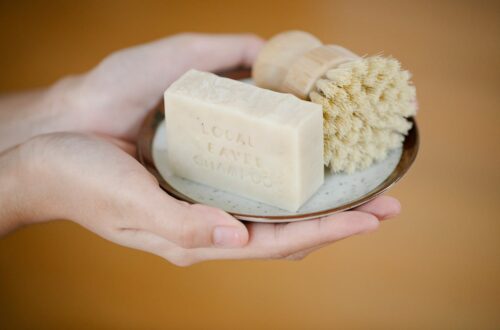
I spent about three weeks avoiding shampoo bars because I’d read too many accounts of the adjustment period. Waxy hair, flat hair, hair that smelled faintly wrong. It sounded grim. I eventually made the switch anyway, found a bar that worked for my hair within a fortnight, and haven’t bought a bottle of shampoo since.
The honest version of how to do this is a bit different from what most guides say. Here it is.
Shampoo Bar vs Liquid Shampoo: What’s Actually Different
The obvious difference is the format. But the more important one is the formula.
Liquid shampoo is mostly water. A typical bottle is 70-80% water with a small amount of surfactant (the cleaning agent), thickeners, fragrances, and conditioning agents added. You’re mostly paying to ship water around, and the bottle gets thrown away.
A shampoo bar concentrates the surfactant without all that water. Most modern bars are surfactant-based, using ingredients like sodium cocoyl isethionate (a gentle, coconut-derived cleanser) to do the same job as a liquid shampoo, just in solid form. One bar typically lasts the equivalent of two to three bottles of liquid shampoo, which at £6-12 per bar works out considerably cheaper per wash.
The older type of shampoo bar is soap-based: made with saponified oils (traditional cold-process soap). These are more natural but behave differently on hair, especially in hard water areas, and are the main reason the adjustment period has a bad reputation. The newer surfactant-based bars behave much more like liquid shampoo and are a far easier starting point for most people.
The Adjustment Period: What’s Actually Happening
If you switch from a conventional shampoo to a soap-based bar, you will likely have a transition period of one to four weeks. Your hair may feel different: heavier, coated, or just not quite right. This tends to be worse in weeks one and two, and improves noticeably by week three.
What’s happening is that your scalp is recalibrating. Conventional shampoos (especially those with silicones and sulphates) strip the scalp, which responds by producing more oil to compensate. When you stop stripping it, your scalp takes a few weeks to settle to its natural oil production level. In the meantime, it’s still producing the amount it was used to producing, which is more than it needs to. That’s where the “transition period” greasiness comes from.
The waxiness that some people experience is different. That’s a build-up from soap-based bars reacting with hard water minerals. If that’s what’s happening, it usually sorts out with an apple cider vinegar rinse (one tablespoon in 500ml of water, applied after washing and then rinsed out) or simply by switching to a surfactant-based bar instead.
If you start with a surfactant-based bar, the adjustment period is often much shorter or barely noticeable. You might have a week or so of adjustment, or none at all. This is why most people new to shampoo bars are better off starting here rather than with a traditional soap bar.
How to Choose the Right Bar to Start With
The single biggest mistake is buying a bar that doesn’t suit your hair type and blaming it on shampoo bars in general.
For hard water areas (most of England and Wales), a surfactant-based bar is not optional. Soap-based bars and hard water are a poor combination: the soap reacts with the minerals in hard water to leave residue on hair. The Solid Bar Company and Ethique are two brands specifically formulated to perform well in hard water. Check the product description before you buy.
For curly or dry hair, look for bars with moisturising oils (castor oil, coconut oil, shea butter) and no sulphates. Friendly Soap’s Lavender & Geranium bar is recommended for curly hair more consistently than almost anything else I’ve come across.
For oily hair, you can handle something with a bit more cleaning power: a higher surfactant content, possibly including sodium coco sulphate (SCS), which is more thorough than the gentler alternatives.
For sensitive scalps or reactive skin, avoid bars with synthetic fragrances and look for fragrance-free or naturally scented options with simple ingredient lists. Hairy Jayne and Gruum’s fragrance-free bar are worth looking at.
For coloured hair, choose a gentle, sulphate-free formula. Clarifying bars are designed to strip build-up and will strip colour too. The Solid Bar Company and KinKind both make colour-safe options.
There’s a more detailed breakdown of 15 UK shampoo bars with notes on each in my best shampoo bars UK guide.
How to Actually Use a Shampoo Bar
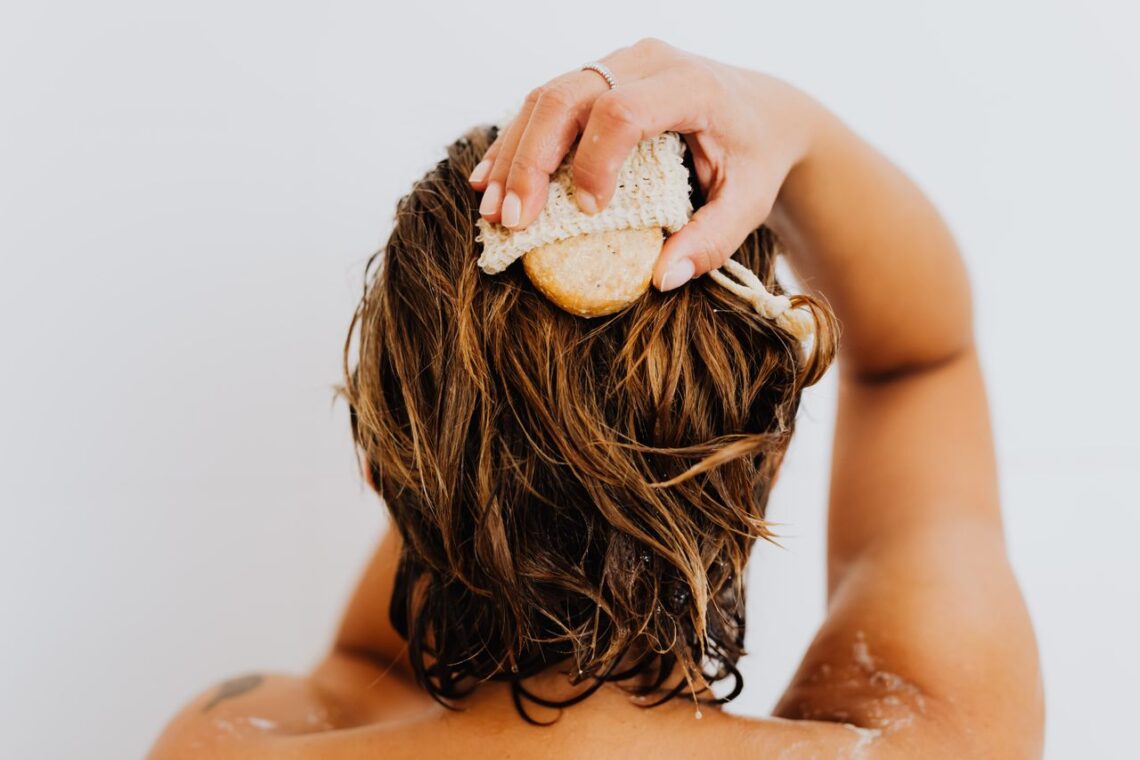
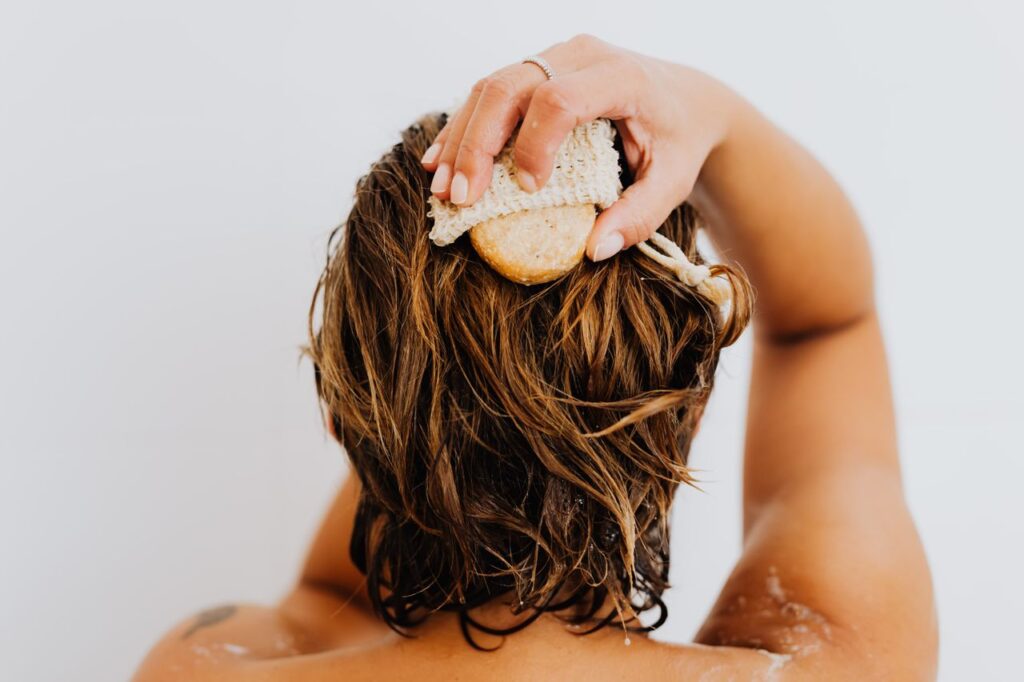
There are two approaches and both work. You can rub the bar directly on wet hair, working in sections and building up a lather. Or you can lather the bar between wet palms first and apply the foam to your hair. I prefer the second method, as it gives more control over how much product you use and distributes it more evenly.
A few things that make a genuine difference.
Use less than you think you need. Bars are more concentrated than liquid shampoo and a little goes further than you expect. Overapplying is a common reason people end up with build-up or heaviness.
Rinse properly. The waxy feeling most people complain about is almost always caused by incomplete rinsing, particularly in hard water areas. Spend more time rinsing than you think you need to. Run the water until you feel the hair squeaking slightly between your fingers, which indicates it’s clean.
Apply to wet hair. Dry or damp hair doesn’t lather as well and you’ll end up using more product. Saturate your hair properly before reaching for the bar.
Concentrate on the scalp. Work the lather through your roots and scalp rather than scrubbing the length of your hair. The suds will run through the ends as you rinse.
How to Store a Shampoo Bar
This matters more than most people expect. A shampoo bar that sits wet between uses will dissolve far faster than it should, which is both wasteful and frustrating.
Store it on a soap dish with drainage holes rather than in a soap dish that holds water. If you’re sharing a shower and the bar gets hit with water frequently, put it somewhere it can dry out between uses: a shower shelf rather than the floor of the shower tray.
For travel, let the bar dry completely before putting it in a tin. A bar packed while still wet will stick to the tin and turn to mush. There are dedicated shampoo bar tins and cases available, which have ventilation holes, and considerably better than just chucking a damp bar in a plastic bag.
Dealing with Hard Water
Hard water is the main reason shampoo bars have a bad reputation in the UK. Most of England and Wales has hard or very hard water, which reacts with soap-based bars and can leave hair feeling coated or looking dull.
The practical fix is to use a surfactant-based bar rather than a soap-based one. This resolves the problem almost entirely because surfactant-based bars don’t have the same reaction with hard water minerals.
If you’re committed to a soap-based bar, an apple cider vinegar rinse once a week helps. Mix one tablespoon of apple cider vinegar into about 500ml of water, apply to hair after washing, leave for a minute, and rinse out. It rebalances the pH and removes mineral build-up.
Is Shampoo Bar vs Liquid Shampoo Actually Better for Your Hair?
It depends entirely on which bar you choose. A good shampoo bar suited to your hair type will leave your hair in at least as good a condition as your current liquid shampoo — and quite possibly better, if you’ve been using something with sulphates that strip more than necessary. A bar that’s wrong for your hair type will disappoint regardless.
The environmental case is less conditional. No plastic bottle, much less water in the formula, lighter to transport, minimal packaging. It’s one of the most straightforward swaps you can make in a bathroom routine. The UK throws away 520 million shampoo bottles a year — shampoo bars aren’t going to reverse that on their own, but the reduction per person adds up quickly.
Most people who try two or three bars and find the right one don’t go back.
FAQs
How long does the shampoo bar transition period last? For surfactant-based bars: often a week or less, sometimes none at all. For soap-based bars: typically one to four weeks, with the worst of it in the first two weeks. Switching in winter when you naturally sweat less helps. Applying to a fully saturated scalp and wearing natural fabrics during the transition also helps.
Why does my hair feel waxy after using a shampoo bar? Either incomplete rinsing (the most common cause) or a soap-based bar reacting with hard water. Try rinsing for longer, or switch to a surfactant-based bar. An apple cider vinegar rinse can also help clear the build-up.
Can I use a shampoo bar in hard water? Yes, but you need a surfactant-based bar rather than a soap-based one. In hard water areas, soap bars react with the water minerals and leave residue on hair. The Solid Bar Company and Ethique are both specifically formulated for hard water.
How long does a shampoo bar last? Most bars are equivalent to two to three bottles of liquid shampoo: roughly 50-80 washes depending on hair length, how often you wash, and how well you store it. Bars that sit wet between uses dissolve significantly faster.
Do shampoo bars work on coloured hair? Yes, with the right bar. Choose a gentle, sulphate-free formula and avoid clarifying bars, which strip build-up and will take your colour with it. The Solid Bar Company and KinKind both make colour-safe options.
Do I need conditioner with a shampoo bar? Some people find they don’t, particularly with bars that contain conditioning ingredients like shea butter or argan oil. Others prefer to keep using conditioner. For curly or dry hair, a conditioner bar or leave-in conditioner is usually still worth keeping in the routine. It’s worth trying without first to see whether your hair needs it.
Related posts:

You May Also Like

How to Avoid Toxic Ingredients in Skincare (Updated 2025)
Top 10 Eco-Conscious Beauty Brands in the UK